Tag: herbs


Memory Natural Help
The GLOBE health report quoted Dr. Ellen Kamhi in the article entitled “5 Common Causes of Memory Loss” which was published on March 31, 2014 where she suggested a few physical activities to help the brain.
Memory-Natural-Help-GLOBE

Therapies for Mind and Body
Host Ellen Kamhi, PhD RN, interviews Milard K. Roper, L.Ac., LMT.
Who is Milard Roper?
 Milard is a licensed Acupuncturist, Massage Therapist, and Herbalist.
For many years he has taught Kung Fu, Brazilian Jiu Jitsu, and various Asian Medicine classes and seminars. His passion for these arts and the knowledge behind them come through clearly when he is teaching.
Milard has been a yoga practitioner for 15 years and becoming a Yoga instructor was a natural and obvious progression in his life path. Milard has had amazing teachers in various fields, they are a constant source of inspiration and knowledge. He is forever grateful to them. His enthusiasm for life and the balance he has created in his professional and personal life is inspirational to his students, patients, friends and family.
On today’s show Milard will discuss the benefits of acupuncture, yoga, herbs, and massage as Therapies for Mind and Body.

Contact:
Om Organics Grab & Go Café,
201 East Main St ,Huntington NY 11743
631-673-7020,
Yoga & Wellness Center at https://thefunkyom.com/
To listen to the interview, click the player below. If you have any questions, comments, or suggestion, please use the comment section under this post or contact Ellen Kamhi here.

Natural Cures for Arthritis with Ellen Kamhi , The Natural Nurse
In this episode of The Functional Medicine Radio show with Dr. Carri, Ellen is her special guest where they talk about arthritis and inflammation, and natural remedies to halt arthritis in its tracks.
Main Questions Asked:
- Causes of Arthritis
- Stealth pathogens – whats the connection?
- Herbs and supplements for inflammation
Key Points Made By Ellen:
- “cure” refers to the reversal of symptoms, pain elimination and reversal of blood indicators
- Inflammation can be linked directly to leaky gut.
- Take responsibility for the causes.
- Toxins and food allergens can trigger an inflammatory response.
- Eliminate packaged foods with words you cannot pronounce
- Cleansing diet is key
- Natural remedies, self responsibility, exercise
- Stress reduction mind-body work, massages, try rubbing a tennis ball on the bottom of your foot.
- Take active action in your life.
- Herbs to support liver are milk thistle, dandelion and burdock root.
- Stealth pathogens are microorganisms that can encase themselves and hide, such as lyme disease.
- Overuse of antibiotics causes the development of resistant strains.
- Some natural remedies such as berberine actually down-regulates the MDR pump- its an excellent natural antibiotic which doesn’t cause resistant strains.
- Either you change your lifestyle and the initiating factors or the disease will continue to advance- your choice
- Non-steroidal anti-inflammatory drugs to bring down the pain of arthritis help temporarily- the problem is they actually increase leaky gut syndrome and in that way they make the disease process worse over time!
- Curcumin– well-proven to have anti-microbial, anti-carcinogenic and anti-inflammatory effects. Increased absorption If combined with piperine (from black pepper)
- Other herbs to help with the inflammation of arthritis are boswellia, white willow bark, external topical agents such as ginger compresses.
- For autoimmune types of arthritis, the best combo is rehmannia, rosemary or rosmarinic acid, and cordyceps. These all help deactivate the autoimmune response, and are found in T Cell Balance.
- https://www.restorativeformulations.com/Our-Products/RF-All-Products/T-Cell-Balance-Px_US
To listen to the interview, click the player below. If you have any questions, comments, or suggestion, please use the comment section under this post or contact Ellen Kamhi here.


/
RSS Feed
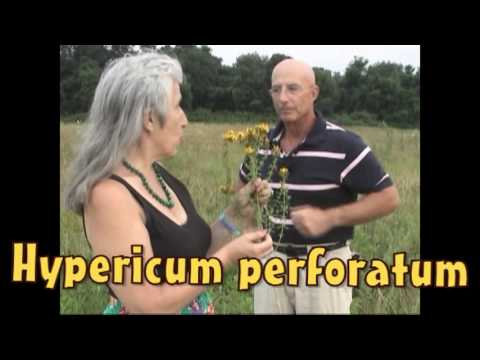
Hello Hypericum!
On this 4th herb walk with Bill Barash, Horticulturist and Dr. Ellen Kamhi,”The Natural Nurse,” they encounter some St John’s wort (Hypericum perforatum) along the path and unravel some of its wonderful properties. Continue reading Hello Hypericum!
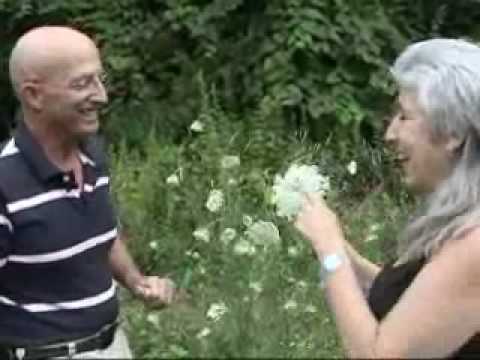
Queen Anne’s Secrets
Join us on this second herb walk with: Bill Barash, Horticulturist and Dr. Ellen Kamhi,”The Natural Nurse.” We encounter some Queen Anne’s Lace on this journey Continue reading Queen Anne’s Secrets
Cat’s Claw & Parrot’s Beak (Uncarica spp.)-Rainforest Panacea
Cat’s Claw & Parrot’s Beak (Uncarica spp.)–Rainforest Panacea
By Ellen Kamhi, PhD, RN, AHG, AHN-BC
Cat’s Claw is a a powerful immune stimulater and aids digestion…
It is a broad spectrum antimicrobial that can eliminate fungi, bacteria, viruses and parasites. The highlands of the Amazon rainforest in Peru is the home of the Ashanica Indians. There, the indigenous healers have used Cat’s Claw (Uncaria tomentosa), which they call Una de Gato, for thousands of years, as an herbal medicine for many ailments, especially those which involve the digestive tract and the immune system.
The plant is named for the large hook-like thorns that come off the ends of a long vine which locals have stated resembles the Jaguar’s claw. The medicinal part is the root and the inner bark of the stem. In order to preserve the plant, the inner bark is usually used, while the roots are spared, to allow the next harvest to continue to grow.
In Africa, according to leading ethnobotantist Anthony Kweku Andoh, Ph.D., F.L.S. a parallel species, Uncaria africana, (the parrot’s beak), is used by the Ashanti clan people for similar medicinal purposes. In his fascinating book, The Parrot’s Beak & the Cat’s Claw: Hope for True Healing from the Rain Forests of Africa and South America, Dr. Andoh points out the similarity and what is believed to be the common origin of the Ashanica Indians of South American and the Ashanti people of Western Africa. These cultures are somehow linked by a common ancestral people known as the Olmecs, a pre-Mayan civilization which have also been identified as the predecessors of the Ashanti people in Africa. The Olmecs provide an anthropological link between Africa and South America. Indeed, according to Dr. Andoh, the similarity between the folkloric, cultural, ethnobotanical and ethnolinguistic relationship between these two peoples is uncanny, despite the fact that the Atlantic divides the two cultures by 3,000 miles!
There are several different species of Cat’s Claw. Some are medicinal, while others are quite poisonous. Be sure to use a commercially prepared Cat’s Claw from a reputable herbal manufacturer!
Modern research has shown that the species known as cat’s claw (Uncaria tomentosa) contains the highly active ingredient isopteropodine, which has the most pronounced effect of activating immune system function. A formidable array of scientific studies has been performed on Uncaria. In 1985, the journal Planta Medica reported on the alkaloids of Uncaria tomentosa and their ability to increase phagocytosis. Phagocytosis is the action of the white blood cells as they engulf and destroy invading organisms, such as bacteria and viruses. Additional compounds may help to explain the herb’s antioxidant properties, its ability to protect cells from damage caused by free radicals and the anti-viral, and anti inflammatory properties also attributed to this herb. Some companies that sell Cat’s Claw in the health food industry, claim that only TOA Cat’s Claw should be used. However, this assertion is debatable. Cats claw naturally contains a large array of components, including small amounts of Tetra- oxindole alkaloids, or TOA , and pentacyclic oxindole alkaloids or POA. Although isolated TOA may be toxic in high amounts, scientific analysis shows that TOA helps support immune function. Cat’s Claw has traditionally been used with the TOA intact, with no report of adverse effects.
Health food stores carry Cat’s Claw as a tea, tincture, extract and capsule. Due to Cat’s Claw’s adaptogenic properties, it can be taken regularly as a tonic and also can be used in higher doses for an acute or chronic illness. In general , use 100 mg/day in divided doses, or 30 drops 3 times per day. Cat’s Claw can also be used externally as a poultice for wounds and skin irritations. Use a well identified Cat’s Claw, Uncaria tomentosa. There are few reports of side effects except for occasional mild gastrointestinal disturbances.
Ellen Kamhi PhD RN, The Natural Nurse®, can be heard on radio daily. She is the author of several books, including Arthritis, The Alternative Medicine Guide. Dr. Kamhi has been involved in natural health care for over 4 decades. She also teaches certification courses in Herbal Medicine in person and online, and offers personal consultations. www.facebook.com/NaturalNurse 954-418-2388
Beauty from Inside-Out with Super Fruit Extracts
There are many foods and nutrients that span the bridge between the cosmeceutical and nutricosmetic sectors. They can act as an ingredient that can be added to skin creams, shampoos and other personal care items, and can also be used as a supplement that can be taken internally along with other health-enhancing nutrients that support skin and hair.
One example of this kind of ingredient is a super fruit combination, which includes goji, acai, noni, pomegranate, green tea, mangosteen and green coffee bean. These super fruits have a long history of use by traditional people in the areas where they are found, as well as scientific data substantiating their high level of healthy antioxidants.
Goji (wolfberry) has been treasured for centuries by the Himalayan people, the berries of the goji plant (Lycium barbarum) have been consumed daily by many of the world’s longest living people.
Acai is a berry harvested from the Brazilian rain forest, where natives believe the acai berry to have amazing healing and nutritional properties. Studies show acai has up to 33 times the antioxidant content as red wine grapes.
Noni grows in the Caribbean, Tahiti and Hawaii, producing a strange white, soft fruit. It is harvested when it is ripe, and pulverized, then strained it to make a healthful drink, high in enzymes and other factors that support healthy skin and hair.
Mangosteen is called “queen of the fruit” due to its delicious flavor and traditional medicinal use. It contains a wide range of antioxidants such as a polyhydroxy-xanthone derivative called mangostin.
Green coffee bean is the fresh, unroasted seed harvested from coffee plants. Its high in beneficial antioxidants, which gives it one of the highest ORAC values found in nature. Green coffee beans are high in chlorogenic acid, which may be linked to its energizing and fat burning capacity touted by Dr. Oz, and promoted by Starbucks as part of its “Refresher” line.
Pomegranate literally means “apple with many seeds.” This ancient fruit has been linked to fertility and beauty. Modern science confirms its use in topical applications due to suppression of lipid oxidation from its high ellagic acid levels (Plast Reconstr Surg. 1994 Dec; 94(7):1027-37) and enhanced effects for sunscreens (Cosmet Dermatol .2001;14(10):43–5). All of these superfruits make beautiful label content, and can support skin health when used for beauty from within as well as topically.

Skin Health Naturally


There are several root causes of skin outbreaks, including overproduction of oil, irregular shedding of skin cells, buildup of bacteria, stress and liver toxicity often caused by prescription pharmaceuticals.
Changes in hormone levels also cause skin problems, which is often seen around puberty, but also in the golden years when hormone levels are once again in flux. Hormones regulate the activity of the sebaceous glands, which is located at the base of the hair follicle. The sebaceous glands produce an oily substance called “sebum”. Under
normal conditions, “sebum” combines with keratinous cells, traveling along the hair follicle to the surface of the skin. Acne occurs when the flow of sebum is restricted, leading to a build-up of sebum and cell debris, which contribute to the growth of bacteria.
There are many natural topical therapies for addressing skin conditions. Most treatments are designed to reduce surface sebum: Facial cleansing using mild surface
active agents including exfoliants ( almond seed) , digesters( papaya enzymes), anti-inflammatory ( white willow) and anti-bacterial ( oil of oregano) ingredients are useful.
Natural protocols for healthy skin recognize the interplay between spiritual, physical and emotional factors that all play a part in the cause and treatment of this condition. Although conventional medicine does not recognize the role that diet and food allergies have in skin conditions, natural healers believe there is a direct correlation.
It is wise to focus on a diet low in milk products, wheat and animal fat, and high in organic leafy green vegetables, whole grains, and Omega-3 oils, such as flaxseed and hemp oils. Herbal remedies for skin care fall under the category of herbs known as “Alteratives”. The Eclectic doctors at the turn of the century referred to Alteratives as ‘Blood and Lymphatic cleansers. ‘ Alteratives are non-toxic herbs which assist the organs of detoxification and elimination (liver, bowels, kidneys, skin, lungs, and connective tissue, by removing deleterious substances such as environmental toxins as well as those generated internally by the body.
Many botanicals have been historically used for helping to promote clean and healthy skin.
 Arnica Flower (Arnica montana) is an emollient and contains
sesquiterpene lactones, the chemical constituents responsible for the herb’s anti-inflammatory properties. Arnica is helpful for promoting healing and reducing general skin irritations.
Burdock Root (Arctium lappa) root is commonly used in herbal steams and poultices. It is helpful for treating blemishes and reducing scaly skin.
Chamomile Flower (Chamomilla recutita) is well-recognized for its anti-inflammatory properties. Herbal steams and poultices help reduce puffiness, cleanse pores of impurities and abscesses and both strengthens and heals tissues, naturally.
Dandelion (Taraxacum officinale) is a mild potassium sparing diuretic, that helps the detoxification organs, such as the liver and the kidneys. When these organs are functioning optimally, it enhances the clarity of the skin.
 Echinacea (Echinacea angustifolia, Echinacea purpurea) has been recognized for its healing actions. It is also a natural anti-inflammatory. Key chemical constituents responsible forthe herb’s healing actions include glycosides, eichloric acid,
chlorogenic acid, isobutylamines, alkylamides, phytosterols and sesquiterpene esters.
Goldenseal Root (Hydrastis Canadensis) is a native American medicinal herb introduced to the early settlers by the Cherokee Indians, who used it as a natural “wash” for the skin. The active chemical constituents, hydrastine and berberine
deliver antibacterial support.
Lemon Peel is high in natural bioflavonoids which enhance healthy skin cell growth, and also has mild astringent properties. It refreshes the skin and tightens pores.
 Witch Hazel (Hamamelis virginiana)is used in herbal steams and poultices for addressing inflamed or swollen skin. It is also applied to red veins on the neck and face. Witch Hazel is styptic and contains natural cleansing properties; an exceptional astringent.
Incorporate healthy fats into your diet to increase the strength and health of skin membranes. These include avocado and Coconut Oil. Choose unrefined, organic coconut oil in a glass jar. This is readily available at most health food stores. Take 1-2 tablespoons a day of the coconut oil, or allow it to melt on steamed vegetables for a healthy coconut flavoring. Also apply the coconut oil directly to the skin for increased strength and to offset dry skin.
Ellen Kamhi PhD RN, The Natural Nurse®, can be heard on radio daily. She is the author of several books, including The Natural Medicine Chest.. Dr. Kamhi has been involved in natural health care for over 4 decades. She is available for group presentations, and has a consultation private practice. 954-418-2388
Women and Plant Medicine A Herstorical Perspective
Women and Plant Medicine: A Natural “Herstory”
September 30th, 2011
A historical perspective on the role of women as healers
By Ellen Kamhi PHD, RN, AHN-BC
Women use herbs as they progress through cycles of life in every corner of the globe. Plants nourish, heal, protect, lift spirits, give solace, strengthen, provide joy, offer hope, and provide every conceivable system of support to both the “selves” and “cells” of women everywhere.
Energy healing, the interlacing of the human psyche, nature, and the subtle eminence that permeates all matter, has been used to balance and support healing since the dawn of history. Plants have traditionally been used both as medicine and good-luck amulets. For example, ancient warriors in both China and North America wore ginseng root around their necks for power and protection. Flower essence remedies, such as the Bach Remedies, effectively bring balance to human emotions and come from the essence of various plants.
No historian really knows the exact time when our ancestors first used herbs to heal themselves from sickness or injury. Archaeologists exploring a Neanderthal’s gravesite in Iraq (formally known as Mesopotamia) discovered pollen from eight species of plants, which turned out to be more than 80,000 years old. Hemp seeds were also found at an ancient birth site from more than 10,000 years ago. Hemp (Cannabis sativa) was used for pain and relaxation from ancient times until it was outlawed in the US in the 1930s. Herbal medicine is as old as humanity itself. But how did all of the herbal knowledge co-evolve with humanity? How did people know which herbs to take and which ones were toxic?
The ancient people used many techniques to ascertain and develop their repertoire of medicinal plants. Presumably, trial and error played a major role in discovering medicines. This information was recorded and remembered, usually by the oldest and most experienced community members—a task often relegated to women.
It is well established that many species of animals are instinctively drawn to graze upon a particular plant to soothe their ills. Many of us have personally observed our cats and dogs, when feeling “under the weather,” eating grass to induce vomiting. Chimpanzees are known to eat certain species of plants only when they are ill with a particular malady. This information is taught to others and handed down through generations until a huge body of information is amassed on healing. Perhaps our primordial ancestors observed this in other animals and emulated this practice, known as “instinctual dowsing.”
Many shamans and healers with knowledge of the ancient ways report that the information was originally obtained through communication with the Divine, in a dream state, a vision, or during the shaman’s communion with the spirit world. Others report that the creator left clues, hints, or a “holy signature” on the plant creations, a type of instruction manual indicating the plants’ medicinal value for humanity. Today, herbalists refer to this concept as the Doctrine of Signatures. Gingko biloba is a good example of a signature; both its leaves and a cross section of the fruit resemble a human brain. Scientific research has proven that gingko can help brain function.
History notes that women were the “guardians” of herbal knowledge, which at times caused them a great deal of duress. During the Middle Ages, it was the wise weed women and midwives who kept herbal traditions intact, passing them from generation to generation. Actually, one of the most famous woman healers of this era was granted sainthood by the Roman Catholic Church. St. Hildegard of Bingen (1098–1179) was a gifted herbalist who authored a treatise on healing entitled Liber Simplicis Medicine, where she discussed hundreds of botanical medicaments. Unfortunately, she, as well as millions of other women, was persecuted for this and actually burned alive at the stake as a “witch!”
The wise women’s knowledge of herbal remedies was often the only resource for poor people to get any kind of health care. However, these herbal healers’ practice was viewed as devil worship and political subversion, and they were accused of using supernatural powers. Despite the “witch hunts” of both medieval times and today, wise women traditions survive, and modern women everywhere can learn to incorporate the power of natural healing into their daily lives.