Urinary Tract Infections- Natural Help

https://www.naturalsolutionsmag.com/urninary-tract-infections/womens-wellness-natural-nurse

Women’s Wellness With the Natural Nurse

September 1st, 2011

Urinary tract infections (UTIs)—many people are unfortunate enough to understand the symptoms personally, since they have all experienced it themselves!

By Ellen Kamhi PHD, RN, AHN-BC

UTI Symptoms
Symptoms can vary depending upon the severity of the infection and the strength of the individual’s immune system, and may include painful urination, burning, tenderness, dull aches, chills, fever, lower back pain, and nausea. The American Journal of Obstetrics and Gynecology reports that the incidence of UTIs increases after menopause, probably due to estrogen depletion, bladder or uterine prolapse, and the increased use of pharmaceutical drugs. Fewer men fall victim to UTIs, but they experience many of the same symptoms.

Cause

Under normal conditions, a thin film of urine remains in the bladder after urination, and bacteria are removed by organic acids produced by the mucosal lining. If there is any kind of interference in this mechanism, such as an infection, stress, or holding urine too long, a urinary tract infection can result.

Types of UTIs

There are two general types of UTIs: Lower UTI in the bladder and urethra (most common) and the more serious Upper UTI which effects the ureters and the kidneys.

Treatment Goals

One treatment goal is to stop the progression of infection from the lower to the upper areas. In a severe infection, antibiotics are necessary to avoid a more serious kidney infection, although antibiotics can cause adverse effects, including a secondary yeast infection, as well as repeated UTIs due to the development of resistant strains of bacteria.

Lifestyle Choices to Decrease UTIs

There are many lifestyle choices that can help you avoid getting a UTI.

• don’t hold urine in—go to the bathroom as soon as you feel an urge

• use toilet paper from front to back

• wash hands before leaving a bathroom—bacteria contaminates bathroom fixtures

• avoid irritating the area with highly perfumed products

• wear loose cotton underwear

• perform the Kegel exercise for the pelvic floor every day

The Kegel exercise keeps the pelvic floor muscles toned, increases circulation, improves lymphatic flow, and helps to deter the development of prolapsed bladder.

Natural Therapies

cranberries photo courtesy pixabay.comCranberry Studies have proven that cranberry is quite effective in preventing bacteria from adhering to mucous membranes. Cranberry’s efficacy was touted in the widely respected Cochrane Database in January 2008. Both the natural fructose found in cranberry and specific proanthocyanadins have been shown to block bacteria from being able to wrap appendages around the edges of the bladder lining. It’s best to use pure cranberry capsules, or unsweetened cranberry juice. Commercial cranberry juice with lots of sugar or, worse yet, ‘sugar-free’ cranberry juice with artificial sweeteners is not recommended to help a UTI!

D-Mannose Another helpful supplement is D-mannose, which acts as a ‘decoy sugar’ and attracts microorganisms away from the bladder lining. Together, D-mannose and cranberry can work as a dynamic duo to support urinary tract wellness. It is important to use enough D-mannose. Many studies focus on the dosage range of 4000 to 5000 mg for best results. However, some products offer only 250 to 1000 mg per dose, which may not be enough to be effective. Nature’s Answer UT offers a combination of D-mannose and cranberry with no added sugars, flavors, or preservatives.

Herbal Support In addition to cranberry and D-mannose, other herbs have been used traditionally in societies around the world to support urinary tract health. These include: Oregon grape root, couch grass, juniper berries, golden seal, uva ursi, garlic, hawthorn, and parsley.

Kegel Exercise Intructions:

To learn to contract the muscle strengthened by the Kegel exercise, attempt to stop your urine flow while using the toilet. Once you have learned to contract the muscle, practice it regularly by contracting and releasing several times, any time you have a spare moment. Sitting or standing positions work equally well.

Multiple Sclerosis Natural Help

Rising Above MS

Coping with an unpredictable, chronic illness can take its toll, but natural treatments can help.

By Ellen Kamhi PhD, RN, AHN-BC, AHG, and Lynn Allison
Imagine for a moment knowing that you have problems keeping your balance but not knowing when you will lose it.

Most of the time you are fine, but sometimes you just can’t keep your feet under you. Will it be at the grocery store? While you’re walking to the bathroom? While holding your daughter? Imagine again that you also suffer from intolerable spasms and pain that cripple you at times, but you don’t know how long they’ll last or when they will happen.

Welcome to the world of Multiple Sclerosis (MS).

With more than 400,000 Americans suffering from MS, more cases are being diagnosed every day. This degenerative illness interferes with your central nervous system—the part of your body that controls behavior and movement—and manifests in unpredictable ways, creating different symptoms for each sufferer. Furthermore, the symptoms often “come and go” and are rarely consistent. They may include numbness and tingling of limbs, loss of coordination, tremors, loss or distortion of eyesight, dizziness, and pain.

What is it?
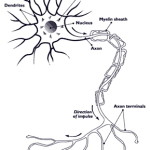
"Nerve.nida". Licensed under Public Domain via Wikimedia Commons - httpss://commons.wikimedia.org/wiki/File:Nerve.nida.jpg#/media/File:Nerve.nida.jpgMS is a chronic, unpredictable, autoimmune disease of the central nervous system that affects the brain, spinal cord, and optic nerves. It’s considered autoimmune because it’s believed that the body’s own immune system attacks the person’s healthy tissue—in this case the healthy tissue of the central nervous system. More specifically, the immune system compromises the integrity of the myelin sheath that surrounds the nerves in the spinal cord and brain.

Think of the myelin sheath like a coaxial cable, the one that brings cable or satellite TV to your home. If you peel back the black plastic coating of the cable, you will find delicate wires underneath. If one of them is cut or damaged, the picture to your TV may not be as crisp or may fail completely. This is the same with your nerves.

Myelin is the protective insulation of your nerve fibers and is made of proteins and fats, and supports the correct transmission of signals along the nerve fibers. So when your brain tells you to pick up a cup of coffee, your hand will actually reach for the cup and pick it up. When the myelin is worn down, inflammation occurs and interferes with the transmission of nerve signals and can damage the nerve fibers themselves. So instead of picking up that cup, your hand may suffer a tremor instead, or not react at all.

Once the myelin is destroyed, it’s often replaced with scar tissue (also called sclerotic tissue). This is where the term “Multiple Sclerosis” originated, meaning “multiple scars.” Patches of these scars are found in random locations along the central nervous system because the body’s immune system seems to attack the central nervous system at random. Therefore, the symptoms and onsets of MS vary and are essentially unpredictable.

Diagnosis occurs in women at least twice as often as men, and MS is more prevalent in colder climates than in their tropical counterparts. Most people are diagnosed between the ages of 20 and 50, but even children as young as 2 years old and others as old as 75 have developed the condition. It’s not considered a fatal disease, and the vast majority of people with MS end up living a normal life span, accented with unpredictable symptoms and attacks.

There are different types of MS, including relapsing remitting, secondary progressive, primary progressive, and progressive relapsing. About 85 percent of individuals are initially diagnosed with relapsing remitting MS, which means that the attacks of neurological dysfunction can become acute, followed by complete or partial recovery periods. After being diagnosed, an MS sufferer may fall into the other three categories depending on the severity, duration, and onset of symptoms.

The symptoms vary greatly from one individual to another and can come and go in an unpredictable manner. These symptoms are all neurological in nature and can include numbness and tingling in the extremities such as the hands and feet, and often occur on one side of the body. Loss of coordination of any limb and visual disturbances such as dim or double vision in one eye is common. Walking difficulties, tremors, lack of bladder control, bouts of dizziness, and mood changes also can appear, sometimes for years before the condition is diagnosed.

This makes diagnosis difficult because there is no actual definitive test for MS. The patient will usually go through several physicians and batteries of diagnostic tests to rule out other possibilities before the final diagnosis is made.

Obtaining a diagnosis can also be a struggle because conventional medicine says the exact cause of MS is unknown. Genetics is thought to play a role, since studies have uncovered an increased risk to relatives of people stricken with MS. Viral infections, such as Epstein Barr, have been established as a possible risk factor, and over the years, experts theorized that MS was caused by overexertion, toxins in the system, poor circulation, and allergies.

Modern science now supports the role of these “causes” as possible triggers that can lead to the development of a deregulated autoimmune response. Experts believe this could, theoretically, contribute to the development of MS, although no direct link has been established. “Research suggests that multiple causative factors convene in the development of auto-immune diseases,” says Dr. Nita Bishop ND. “Components include genetic predisposition (HLA Dr2 haplotype) and a trigger, such as a virus or environmental insult.”

For instance, several studies have shown that exposure to insecticides, solvents, X-rays, and other pollutants may be involved as a triggering agent in this illness. Mercury in amalgam fillings have been linked by some reports (although disputed in others) to MS. Furthermore, MS patients who had their mercury fillings removed reported a 34 percent fewer relapse rate than a group of MS sufferers that kept their fillings.

Exposure to environmental toxins may also help to explain the “cluster effect” where MS is more prevalent than normal in a given geographic area. Current research is also exploring the effect of various environmental toxins which may trigger genetic predispositions to the development or progression of MS.

What can I do about it?
Today, a diagnosis of Multiple Sclerosis no longer means that your vibrant past is over. It’s an exciting time for treatment of the disease because both conventional and natural medicine are coming together to offer sufferers renewed hope. Science is making great strides in tackling the progression and symptoms of the disease, and both pharmaceutically based drug therapies and natural support can work together to focus on curbing the destructive immune responses.

MS is a complex disease, and the most prudent approach is to investigate many treatment options. Natural treatments can often compliment pharmaceutical and conventional therapies, and support the development of a healthy body, which may help to overcome or slow the development of many of the symptoms associated with MS and assist in overall disease management.

Medications are complemented by a growing number of natural therapies that can assist in overall disease management. In 2010 and 2011, there have been several breakthrough oral drugs that help treat symptoms without the pain and inconvenience of traditional injections. Treatments today, according to Dr. Timothy Coetzee, chief research officer of the National Multiple Sclerosis Society (see below), can both help to modify the disease course by slowing down its progression and by reducing the number and severity of attacks.

“Basically, there are currently two ways to treat MS,” says Coetzee. “We try to modify the disease by redirecting the immune system so that the brain is not the enemy, and we deal with the symptoms including fatigue or difficulty walking. The current research underway is providing great hope that we will someday soon be able to stop the progression of the disease, restore function that has been lost, and end the disease forever.”

One of the newer medications available to specifically treat MS symptoms is Ampyra (dalfampridine), a potassium-channel blocker that is licensed for use to improve walking in people with MS. It has been shown to assist in promoting the conduction of nerve signals along nerve fibers whose insulating myelin coating has been damaged by MS. This has helped improve the walking abilities in patients experiencing mobility issues. However, as with all drug therapy, side effects exist. Common ones may include urinary tract infections, insomnia, dizziness, headache, and an MS relapse (2 to 5 percent of people tested).

Another breakthrough in the field of MS includes a study of more than 5,000 people with MS, where researchers identified characteristics that can help pinpoint or predict the rate of progression of the illness. There has also been recent FDA approval clearing the way for the first human clinical trials of stem cell-based therapy. Researchers are hoping to generate progenitor cells, which make cells called oligodendrocytes that, in turn, make the insulating myelin that wraps around nerve fibers. This could potentially help to regenerate the myelin that has been destroyed by the immune system.

MS is a complex disease, and the most prudent approach is to investigate many treatment options. Natural treatments can often compliment pharmaceutical and conventional therapies, and support the development of a healthy body, which may help to overcome or slow the development of many of the symptoms associated with MS, and assist in overall disease management.  One survey found that most MS patients tried natural therapies because they wanted treatments that recognized the body-mind connection, and they were dissatisfied with conventional medicine. The study found that the most frequently used natural therapies among MS patients included herbs, chiropractic massage, and acupuncture. Coetzee points out that alternative or complimentary treatments for MS “are a very serious area of research for the National Multiple Sclerosis Society.”

Diet//  Currently, there is no scientific evidence that proves diet affects the long term course of MS, beyond the fact that it’s important for everyone to have a well balanced, low fat diet. However, Dr. Roy Swank, Professor Emeritus of Neurology at Oregon Health Science University, began a study in the 1950s on the effect of reducing MS disabilities by eating a diet high in linoleic acid, and low in hydrogenated oils and animal fats, in addition to supplementing with cod liver oil (5 grams) daily.

After following 144 patients for 34 years on this diet, Swank found that there was a positive effect in terms of morbidity and function for those who stayed on the diet. Although the reason is still unknown, there is no negative effect to eating a diet high in vegetables and healthy oils, and low in animal products and hydrogenated fats. This type of diet also coincides with the Mediterranean style of eating.

Many MS patients, as well as all people in general, report better energy levels and less symptoms when they follow a gluten-free diet, and increase their consumption of healthy organic foods, and eliminating junk foods.

Exercise // “As recently as the early 90s, people with MS were told to take it easy and rest to help manage their disease,” says Coetzee. “Research studies by our Society and others now support the benefits of many types of exercise in maintaining wellness and function, reducing fatigue, and improving the quality of life.”

Virtually all of the nation-wide network of chapters of the National Multiple Sclerosis Society now offer free or minimal cost exercise programs, particularly in the area of yoga because it helps improve coordination, flexibility, and concentration. Not to mention, it supports healthy functioning of the mind-body connection. Other exercises that have also been shown to aid MS patients include aquatics and resistance training.

Mind/Body // Relaxation therapies, such as meditation are worth learning and practicing for everyone, including MS patients. Researchers in Basel, Switzerland, held the largest study on the effect of meditation for people who suffered from MS. The controlled study showed that mindfulness-based meditation significantly improved the quality of life, including lifting depression and fatigue, in people with progressive MS.

Tens Therapy // Ellen Kamhi, PhD RN, (co-author of this article) says, “I have had tremendous success with MS patients who decided to try TENS (Transcutaneous Electrical Nerve Stimulation) therapy. In our clinic, we utilized a specific TENS machine called the Neural Conduction Accelerator as part of our protocol, which also included light therapy, relaxation, and weekly massage along with a super healthy diet including juicing, lots of organic vegetables, and good fats such as organic unrefined coconut oil and avocados. TENS has been useful for MS patients to decrease pain and muscle tension.

“I remember when one patient proudly strutted into the office (no longer in his wheel chair) after 16 weeks of following the program. He said to me ‘See what kind of shirt I am wearing?’ At first I was not sure what he meant, but he pointed out that it was a button down shirt, which he had not been able to put on without help for over 13 years!”

Since MS is a disease where symptoms can be intermittent and remissions are common, this protocol cannot be proven to be the catalyst that caused the positive changes. However, improvements did occur in the many MS patients who received TENS treatment over the course of 10 years.

Will supplements work?
Adding dietary supplements has shown to reduce symptoms of MS and aid in the overall health of the MS sufferer. It’s important for MS patients to recognize that they may be at risk for vitamin and mineral deficiencies. Natural healthcare practitioners such as licensed Naturopathic Physicians will test all patients for levels of vitamins and minerals including B vitamins, folic acid, vitamin D, and iron, as well as exploring levels of possible contaminants such as heavy metals.

Low level deficiencies in these nutrients, along with high levels of heavy metals and other pollutants can interfere with healthy nerve function and normal tissue repair. This is especially important since most of the conventional drug therapies that are used for managing MS specifically deplete the very nutrients that are already low in most MS patients.

For example, prednisone and related drugs deplete folic acid, vitamin D, zinc, magnesium, vitamin C, and calcium, and MS patients often have low levels of these important nutrients. It would be prudent for everyone— regardless if you suffer from an autommune disease—to be regularly tested for nutrient levels, but this is especially appropriate for anyone suffering from a degenerative illness such as MS. For information on nutrient blood levels testing visit metametrix.com.

There are specific supplements that have been found to be useful for MS patients, including vitamin D, vitamin B1, vitamin B2, fish oil, L-carnitine, calcium, and magnesium.

VITAMIN D // Recently, an Australian study proposed that people who live closer to the equator and are exposed to more sun and vitamin D, are less likely to develop MS. Similarly, a study in the Journal of the American Medical Association determined that people who have a higher blood level of vitamin D have a lower incidence of MS than those with low vitamin D levels. When asking your physician for a Vitamin D level test, request a Serum 25-hydroxyvitamin D level, since this more accurately reflects the amount of vitamin D available to body tissues. For more in-depth information about vitamin D, see our February 2011 issue, or visit naturalsolutionsmag.com and search for “Vitamin D” in the article database.

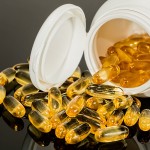
capsule-1079838_1920Fish Oil // This supplement has been enjoying wide regard as a healthy addition to the diet, even among mainstream physicians for a number of health conditions. One study that lasted two years investigated a supplement and dietary regimen on the progression of MS. Patients used 5,000 mg of fish oil per day, along with vitamin A, vitamin D, vitamin E, and reduced consumption of alcohol, sugar, coffee, tea, meat, and dairy, while increasing their intake of vegetables, fruit, and whole grains. Although the study size was small, outcomes were positive for a majority of the participants. It’s important to note that the risk-benefit ratio of attempting such a regimen makes for outstanding odds for the patient!

Herbs // A specific Tibeten Herbal formula called Padma was tested on MS patients and showed that those patients had increased their muscle strength. A 2010 rat study further investigated the reason for this effect and showed that Padma actually enhances muscle contractility. Plants used in this herbal formula include Iceland moss, costus root, neem fruit, cardamon fruit, red saunders, chebulic myrobalan, allspice fruit, beal tree fruit, columbine, English plantain, licorice root, knotweed, golden cinquefoil, clove flower bud, spiked ginger lily rhizome, heartleaf sida, valerian root, wild lettuce leaf, and calendula flower.

Chinese Skullcap // Chinese Scullcap (Scutellaria baicalensis Georgi) is an Asian herb that enjoys wide use as an aid for inflammatory conditions. A mouse study tested the use of this herb on MS and found that it may be a useful adjunct therapy to reduce the autoimmune response that is prevalent in MS. PhytoDyne RX is an herbal formula that combines Scutelleria baicalensis with white willow bark, ginger, bromelain, boswellia, corydalis, and other natural anti-inflammatories that can help reduce inflammatory symptoms.

Contact:

Ellen Kamhi PhD RN
www.naturalnurse.com
954-418-2388

Pain Relief Naturally

Ellen Kamhi PhD RN, The Natural Nurse® , author of the best selling book, Arthritis, the Alternative Medicine Definitive Guide.

In the 40 years I have had a natural health practice, pain management is the number one reason that people come in to look for advise.

Since pain is such a common human affliction, societies around the globe have experimented with many natural remedies to discover which ones were most useful for this purpose. The first line of defense against pain is to bring down overall inflammation in the body. Try using the Natural Nurse Vegetable Soup Recipe for one week, and avoid ALL junk food, fried food and processed food. In addition , these herbs have been used around the world for thousands of years to decrease pain. Now, science is discovering the mechanism of action that makes them work.


By Mauro Raffaelli (Own work) [CC BY-SA 3.0 (https://creativecommons.org/licenses/by-sa/3.0) or GFDL (https://www.gnu.org/copyleft/fdl.html)], via Wikimedia Commons
Boswellia: Boswellia (Boswellia seratta) is a gum resin that has a long history of traditional use. It was honored as frankincense, the ‘sacred gift of the Magi’. Modern science has established that boswellia interferes with the inflammatory cascade, and supports joint health. Boswellia supplements are often standardized for 65% boswellic acid.
Turmeric: Turmeric (Curcumin longa) has been revered in cultures around the world for its food value and medicinal properties. Turmeric gives curry powder its characteristic golden color. It is considered “Queen of the Herbs” in Indonesia, and has been used to support health in Ayurvedic Medicine- the ancient medical teaching from India. Modern science has uncovered turmeric’s powerful antioxidant, free radical scavenging, anti-cancer and cell protective effects. Turmeric is often standardized for 95% curcumins.
Ginger: Ginger is a common spice that grows in India, China, Mexico and the Caribbean. The part of the plant used is the rhizome, or underground part of the stem, which has the characteristic spicy aroma of ginger. It has been used medicinally for thousands of years by traditional healers, as well as physicians, to address all kinds of issues that require improved circulation.. Ginger acts as an anti-inflammatory agent, which calms aches and pains.. Try this ‘hot ginger toddy’ for instant relief. Grate about a teaspoon of ginger root ( rhizome) into a cup, or use a Ginger Tea bag. Add hot water, the juice of ½ lemon and a teaspoon of honey. You can also use a ginger compress directly on painful joints.

Natural Nurse® Vegetable Soup Recipe:
The Natural Nurse® Detoxifying Vegetable Soup:
It is best to use ALL Organic INGREDIENTS:

1 onion
1 head of cabbage
2 cloves garlic
2 carrots
2 celery stalks
1 bunch parsley
5 Kale leaves
2 Sheets of Nori Sea vegetable
4 pieces of Okra
1 cup Brown Rice
Bragg’s Amino Acids to taste
2 quarts of Water

Combine all ingredients, simmer for 1 1/2 hrs

INSOMNIA- Natural Help

NATURAL MEDICINE CHEST.

Insomnia- difficulty falling asleep, or staying asleep, is a condition that effects everyone at some time or another. If the condition becomes chronic, it can interfere with the quality of life, causing people to find it difficult to concentrate during the day, and jeopardizing overall health and wellness.
Counting sheep may not be such a bad idea, because any kind of stress reducing technique, where you take your mind off your worries, may help with relaxation and getting a good night’s sleep.

Other lifestyle choices can also be useful. Be sure you set up your bedroom so that you maximize darkness and comfort. Its best NOT to watch TV, especially loud or upsetting news, right before bed, since it can stimulate adrenaline release which is a brain stimulant that can interfere with sleep. Wind down with quiet music, lavender aroma therapy oil, a blue light bulb in your room, and some deep breathing as you end the day, to set the stage for a restful night’s sleep.

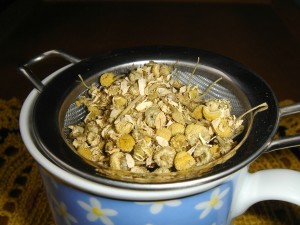
chamomile-tea image courtesy of pixabay.comHerbs have been scientifically proven to help as well. Both traditional use and research supports the use of several herbs that can enhance relaxation and sleep. These include valerian, hops, passionflower, lemon balm and chamomile. Valerian helps to fall asleep faster, sleep more deeply and stay asleep for a longer period of time. A 2007 randomized, double blind, placebo controlled clinical study demonstrated the efficacy of a combination that contained valerian and hops for people who suffered from sleep disorders. Hops ( yes the very same plant that is used to brew beer), is considered an approved substance by the German government that can be useful as an aid for sleep disturbances. Passionflower was named when Jesuit Priests first arrived on the shores of the new world, and found this beautiful flower that resembled a ‘crown of thorns’ with stamens that resembled nails. They named it for the Passion of Christ. Passionflower acts as a mild sedative and relaxant and helps to sooth agitation. Lemon balm and chamomile are mild herbs that are good for the whole family to take the stress out of an overly busy day. They also help to sooth digestion, and enhance relaxation.

10 Top Supplement Mistakes

1. Supplement drug interactions:

If you are taking any prescription drugs, its important to check with your physician before taking any supplements. For example, if you are taking coumadin, or any other blood thinner, and you ALSO take an herb such as ginger or ginkgo biloba, your blood may get too thin.

2. Too much calcium:

Many people misinterpret the recommendation to take calcium. For example , if your doctor says you should get 1500 milligrams of calcium a day, that means that is the TOTAL amount you should take including foods- not the amount you need to take in a supplement.

3. Loaded with unhealthy fillers:

Many commercial brands of supplements actually contain fillers that are suspected of having harmful health effects. READ YOUR INGREDIENT LABEL- especially OTHER INGREDIENTS. If you see words such as Butylated Hydroxytoluene; FD&C Blue No. 2; FD&C Red No. 40 ; FD&C Yellow No. 6 ; Polysorbate 80; Sodium Benzoate; leave it on the shelf and choose another brand. You may need to visit your health food store to find supplements that do not contain these fillers.

4. Don’t take supplements 7 days a week:

Natural health practitioners traditionally recommend that you get most of your essential nutrients from whole foods, rather than supplements. Allow your body a one day a week rest from supplements.

5. Unrealistic expectations:

Many people run to purchase the ‘supplement of the day’ that is mentioned by TV “Gurus”. This often leads to unrealistic expectations. Supplements are meant to be part of an overall program of healthy eating, exercise and stress reduction, that can help with overall wellness over time. After the TV Guru’s endorsement, people expect to get immediate, overnight results simply from taking a pill, and will most likely be disappointed with the results.

6. Purchasing overpriced products through Multi Level Marketing Companies:

Products marketed through multi level marketing schemes are ALWAYS overpriced. You can regularly find similar products at ½ the cost (or less) at your local health food store. Look at the INGREDIENTS in the supplement fact box on the Multi Level product, and match it up to a similar formula.

7. Inferior FORM of specific nutrients:

Become an educated health consumer and research the best form of each nutrient. For example, vitamin E comes in many forms. “dl tocopherol” is a chemical, while “mixed tocopherols” are naturally occurring as would be found in food.

8. Too much of a good thing -Megadosing on supplements:

When it comes to supplements, just because a small amount may be good for you, taking more is not always better, and can be dangerous. Examples include Vitamin A in high amounts can cause birth defects if used during pregnancy, and Vitamin B 6 , if taken in doses higher than 250 mg per day, can cause neurological problems.

9. Relying on Supplements instead of healthy food.

The word ‘supplement’ means that these substances can help to ‘fill in’ if sufficient nutrition is not provided by the diet. However, pills cannot replace healthy food.

10. Taking supplements to ‘Loose Weight’

Although certain substances such as Green Tea and Glucomannon can help the body metabolize fat, there is still only ONE WAY to loose weight: take in less calories than you burn: that means healthy eating and exercise!

Allergies- An Integrative Approach

Ellen Kamhi, Ph.D., R.N. and Eugene Zampieron, N.D., A.H.G.

Allergies are the 6th leading cause of illness in the United States. The National Institute of Health approximates the number of allergy sufferers at 40 to 50 million Americans, with a higher number that remains undiagnosed. [1] Yearly visits to physicians due to allergic symptoms is estimated at 17 million. [2] The overall prevalence of some forms of allergies, such as allergic rhinitis and atopic eczema, are increasing substantially. [3]

Genetic predisposition is clearly indicated in the development of allergies. There is a 40%-60% chance of developing allergies if both parents have allergies, 20%-40% if one parent is allergic, and 5%-15% if neither parent is affected. In addition to genetics, the development of allergies may to due to multi-factorial causes, which includes overexposure to particular substances that initiates an ‘overreaction’ response by the allergic individual’s immune system. Some theories of the increased rate of allergies is that it is due to a decrease in breastfeeding along with early introduction of potentially allergenic foods to an infant’s diet, [4] and high levels of air and water pollution. [5]

The term ‘allergy’ refers to a grouping of symptoms that affects different body systems. The allergic patient may experience symptoms in only one, or several body systems. People may experience allergies that are due to a wide array of antigens (triggering substances), such as foods, pollen, environmental particles, animal dander, dust mites, cigarette smoke, ingredients in soaps, newsprint, latex and almost anything else that a person may come into contact with. Although many of the antigens that provoke allergic reactions are proteins, many non-protein components can illicit allergic reactions, such as toluene diisocyanate found in dry cleaning fluid. [6] The following is a grouping of symptoms that are commonly associated with different body systems. Respiratory symptoms: stuffy/runny nose, sneezing, coughing, watery eyes, wheezing, recurring ear infections, tickling or sore throat, asthma. Integumentary symptoms: swelling of hands and feet, itchy, dry, red scaling skin patches, dark circles under the eyes, swollen tongue. Digestive symptoms: bloating, flatulence, diarrhea, constipation, weight loss or gain, burning anal and underarm rash, abdominal discomfort.

Allergic reactions are initiated by the immune system’s over- response to substances it deems as distinct from itself. Although well tolerated by most people, in the allergic person contact with the offending substance (antigen), is the basis of the hypersensitivity reaction. [7] Immunoglobulins are specific antibodies that have the responsibility of tracking down and destroying antigens that are recognized by the body. There are five different classes of antibodies, IgE, IgA, IgG, IgM, and IgD. Each of these specifically attack different categories of antigens. Every antibody is ‘antigen specific’, and is programmed to react to a specific kind of invader. In the case of allergies, these antibodies become overzealous, and begin to recognize substances that are usually benign, as if they were dangerous invaders. Once an antibody recognizes a suspected antigen, it attaches to it and forms an ‘antigen-antibody’ complex. This complex initiates the release of histamines and other chemicals that lead to inflammation, the common theme to all hypersensitivity reactions (allergies). The inflammatory response causes the release of chemical mediators, vasodilation, increased vascular permeability, edema and tissue damage. [8] Allergic reactions can range from a trivial annoyance such as an itchy rash and runny nose, to a fatal incident.

There are four different classes of allergic reactions: Type I (Immediate Hypersensitivity Reactions), Type II (Cytotoxic Reactions), Type III(Immune Complex Mediated Reactions) and Type IV(Cell Dependent Reactions). [9] Type I reactions occur almost immediately after exposure to an antigen, and range from a temporary outbreak of hives, skin rash, headache, GI symptoms, rhinitis, and asthma-like symptoms, to fatal Anaphylactic shock characterized by difficulty breathing, closing of the throat, decreased blood pressure, tachycardia, seizures and loss of consciousness. The symptoms can be local or systemic, depending on the port of entry of the antigen. [10] IgE immunoglobulins are widely believed to be responsible for Type I reactions. However, recent studies report that IgG, previously thought to only be involved with DELAYED reactions, may also be involved in the initiation of Type I reactions. [11] [12] [13] [14] This evidence supports complementary health care practitioners, who have been regularly testing patients for both IgE AND IgG mediated reactions for decades, although most conventional physicians still disregard IgG testing.

Type II- Type IV reactions are referred to as DELAYED reactions, since they can occur 24- 72 hours after encountering the offending substance. They involve IgG, and to some degree IgM, although many allergic reactions do not involve any antigen-antibody complex, but are due to the direct release of histamines and other inflammatory compounds by mast cells and other white blood cells.

Food allergies are widespread, and remain an under-diagnosed phenomena. Delayed food allergies are often the culprit behind eczema, difficulty concentrating, recurrent ear infections, chronic rhinitis and immunodeficiency in both children and adults. [15] Severe reactions to common allergens such as milk, egg, peanut and sesame are on the rise. The threshold needed to trigger a severe reaction can be as low as a molecular amount. [16] Pharmacists can advocate for patients by suggesting that they see a physician who regularly performs both IgG and IgE testing to search for food sensitivities. In addition, pharmacists can instruct clients in keeping a food diary, and practicing avoidance and re-introduction of specific foods, in an attempt to track down offending substances.

Conventional medical treatment of allergies involves the use of a variety of pharmaceutical agents that are mainly focused on the reduction of symptoms. These include antihistamines that stop histamine release, decongestants to constrict the mucous membranes and decrease secretions, cromolyn sodium that interferes with the mast cell release of inflammatory chemicals, and steroidal inhalants. Drug therapies can be useful for acute symptom relief, but do not address the underlying cause of allergies, and often have a variety of adverse effects including insomnia, nervousness, irritability, dry mouth, constipation, urinary retention, rapid heartbeat, blurred vision, drowsiness and dependency.

Naturally oriented practitioners take a different approach. The first line of defense for the allergic individual is to address diet and lifestyle issues. HEPA air filters reduce exposure to mold, pollen, dust mites and dander. Neti pots, small ‘tea-pot’ like devices, are excellent to use as saline irrigators. This removes particle allergens from sensitive mucous membranes, and has been shown to decrease the inflammatory mediators histamine and leukotriene C-4. [17] Pharmacists can recommend the use of air filters and Neti Pots to their clients. The allergic person must avoid foods discovered to initiate an allergic response, while increasing the consumption of anti-inflammatory foods, such as cold water fish, Omega 3 oils, and dark green leafy vegetables. One study examined how the consumption of ALA (alpha-linolenic acid), effects the level of C- reactive protein(CRP), a known marker for inflammation, and found that dietary supplementation with ALA for 3 months significantly decreased CRP. [18] Eliminating food allergens ALSO tends to decrease sensitivity to inhalant allergens. The authors have had numerous clinical reports from patients with seasonal inhalant allergies, who were able to get through their previous ‘allergy season’ without the use of any medications, after removing common foods such as wheat and dairy from their diet. This makes sense, because many grains are in the grass family and cross react with other grass species. Several studies have documented cases of cross reactivity between food and pollen antigens. [19] Stress reduction, through techniques such as meditation and yoga, can help to decrease the frequency and intensity of allergic reactions. Endogenous serum cortisol acts as a natural anti-inflammatory mediator. Stress reduces serum cortisol, which leads to increased inflammation. [20]

Nutritional supplements such as vitamin C (500- 1000 mg) and magnesium (400 mg) have shown promise in clinical studies involving asthma patients, and may also be useful for allergies. [21] Other herbs and natural remedies can also be helpful.

Quercetin

Quercetin is an active bioflavonoid found abundantly in plants, including evening primrose leaf, onion and green tea. It is a strong inhibitor of basophil and mast cell degranulation. [22] Degranulation of mast cells is an active process that requires the influx of calcium, along with an increase in cAMP(adenosine monophospate). This activity leads to phosphorylation of the membrane around mast cell granules, which renders them permeable to water and calcium. The mast cell uses calcium-activated enzymes to assemble contractile microtubules, which pulls the granules towards the cell membrane, where the inflammatory contents are spilled outside the cell, unleashing an allergic reaction. [23] Quercetin prevents calcium from influxing into the cell. [24] Secondary mediators of inflammation, such as arachidonic acid metabolites, are released outside the cell via the action of the enzyme phospholipase A2. (Steroids act as anti-inflammatory agents due to their ability to inhibit phospholipase A-2.) Quercitin inhibits many steps along the eicosanoid membrane pathway, including phospholipase A2 and lipoxygenase. [25] Quercetin taken along with vitamin C has been reported to reduce hay fever symptoms. [26] The authors have used quercetin clinically for a number of pathological processes, including inhalant allergies, food allergies, atopic dermatitis, chronic sinusitis, bronchitis, asthma, serous otitis media reoccurrences, and ITP. Recommended dosage: 500 -1000 mg three times a day on an empty stomach as a capsule, tablet or nasal spray. Cautions: Quercitin may raise levels of estradiol and should be used with caution with hormone intervention. [27] Quercetin may inhibit the activity of enzymes that break down Felodipine into an inactive form, thereby raising blood levels of Felodipine. [28]

Baikal Skullcap Root (Scutellaria baicalensis)

The root of the Chinese Skullcap, Radix Scutellaria baicalensis, called Huang Qin in traditional Chinese Medicine, has been used for thousands of years, especially for inflammation and high fevers. It contains the flavonoids baicalin and wogonin, well researched for their anti-allergy and free radical scavenging properties. [29] [30] These components are similar in structure and mechanism of action to Quercetin. [31] Another component of Scutellaria, baicalein, has even a stronger anti-inflammatory and anti-allergic effect, specifically reducing leukotriene B4 and C4 production by inhibiting lipoxygenase. [32] The dose is typically 2-6g/day of the dried root or 4 to 12 ml per day of a 1:2 fluid extract. Cautions: No specific adverse reactions have been reported. However, due to structural similarity to quercetin similar cautions may apply.

Nettles (Urtica dioica)

Stinging Nettles is a common plant found in damp waste areas around the United States and Europe. Touching the stingers on the nettle plant, causes an allergic reaction, probably due to the formic acid found in the stingers which initiates a localized histamine release. Traditional herbalists have historically recommended the juice of the nettle as an antidote to the rash caused by the nettle stinger, as well as the prophylactic use of nettle tea for spring allergies. In addition, the homeopathic remedy made from nettle, Urtica, is successfully used for hives and other allergic skin irritations. One preliminary study found that freeze dried nettles were helpful for symptoms of allergic rhinitis. [33] The authors have also encouraged the use of nettle herb for allergic patients, with favorable results. Typical dosage is 600 mg dried herb or 2-4 ml per day of fluid extract in divided doses. Cautions: may occasionally cause mild gastrointestinal irritation when used internally.

Mimosa (Albizzia lebbeck, Albizzia kalkora)

Albizzia is a member of the mimosa family that has been used in Ayurvedic practice for asthma and dermatitis, and as a sedative in Traditional Chinese Medicine. Several studies were performed on a bark extract of this plant, which showed advantageous actions against allergic symptoms, including anaphylaxis, [34] atopic allergy [35] and gastrointestinal allergic symptoms such as diarrhea. [36] Albizzia has been shown to stabilize mast cell degranulation , depress levels of anti-allergy antibodies, and decrease the overaggressive action of T and B lymphocytes. A therapeutic dose of Albezzia is 3-6 ml/day of the 1:2 extract. [37] Cautions: No adverse reactions have been reported.

Coleus (Coleus forskohlii )

Coleus is a member of the mint family, and grows wild in Thailand , India and other areas. It has been used in traditional Ayurvedic medicine for allergic symptoms such as bronchitis and breathing difficulties. [38] In 1974 Hoechst Pharmaceuticals, along with the Indian Central Drug Research Institute, conducted studies on Coleus extract and found that it had muscle relaxant and antihypertensive effects. The active constituent forskolin, extracted from the root of Coleus forskohlii , has been found to increase Cyclic AMP [39] [40] , which causes bronchial relaxation. Forskolin has the added advantage of being receptor independent, which avoids the desensitization caused by the repeated use of B-adrenergic agonist pharmaceuticals. [41] Forskolin also inhibits the release of histamine from basophils, which decreases the allergic response. [42] The recommended dosage of Coleus is 50 mg 2 times a day of an extract standardized to contain 18% forskolin. Cautions: Coleus may lower blood pressure.

American Academy of Allergy, Asthma and Immunology (AAAAI). The Allergy Report: Science Based Findings on the Diagnosis & Treatment of Allergic Disorders, 1996-2001.
CDC. Fast Stats A-Z, Vital and Health Statistics, Series 10, no. 13. 1999
The International Study of Asthma and Allergies in Childhood (ISAAC) Steering Committee. “Worldwide variation in prevalence of symptoms of asthma, allergic rhinoconjunctivitis, and atopic eczema: ISAAC.” Lancet 351: 1225-32. 1998.
van Odijk J, Kull I, Borres MP, et al., Breastfeeding and allergic disease: a multidisciplinary review of the literature (1966-2001) on the mode of early feeding in infancy and its impact on later atopic manifestations., Allergy. 2003 Sep;58(9):833-43.
Levetin E, Van de Water P. , Environmental contributions to allergic disease. Curr Allergy Asthma Rep. 2001 Nov;1(6):506-14

Rea, William J. Chemical Sensitivity: Volume 1 Chapter 2 Lewis Publishers/ CRC press, Boca Raton, FL pg 8
Robbins, Cotran, & Kumar. Pathologic Basis of Disease,3rd Edition; Hypersensitivity reactions W.B. Saunders, Philadelphia, PA, 1984, pg 163.
Suen, Raymond & Gordan, Shalima; A Critical Review of IgG Immunoglobulins and Food Allergy-Implications in Systemic Health ;A Paper by US BioTek Labs, Seattle, WA, 2003, page 1.
Murray, Michael; Pizzorno, Joseph. Encyclopedia of Natural Medicine, Prima Publishers, Rocklin, CA., 1998, p. 467-468
Robbins, Cotran, & Kumar. Pathologic Basis of Disease,3rd Edition; Hypersensitivity reactions W.B. Saunders, Philadelpia, PA, 1984, pg 164.
Tkaczyk, C., Okayama Y., Woolhisser, M.R., et al; Activation of Human Mast Cells through the High Affinity IgG Receptor. Mol Immunol, 38(16-18):1289, 2002.
Okayama, T., Hagaman, D., Metcalfe, D. ; A Comparison of Mediators Released or Generated by IFN-Gamma-Treated Human Mast Cells Following Aggregation of Fcgamma RI or F Cepsilon RI.J. Immunology 166(7):4705-12, 2001
Parish, WE: Short term Anaphylactic IgG Antibodies in Human Sera. Lancet, 2:591, 1970.
Pepys.,J et al: Clinical Correlations Between Long-Term (IgE) and Short Term (IgG S-TS) Anaphylactic Antibodies in Atopic and “Non-Atopic Subjects with Respiratory Allergic Disease. Clin. Allergy, 9:645, 1979
Latcham F, Merino F, Lang A A consistent pattern of minor immunodeficiency and subtle enteropathy in children with multiple food allergy. J Pediatr. 2003 Jul;143(1):39-47.
Morisset M, Moneret-Vautrin D, Kanny G, et al. Thresholds of clinical reactivity to milk, egg, peanut and sesame in immunoglobulin E-dependent allergies: evaluation by double-blind or single-blind placebo-controlled oral challenges. Clin Exp Allergy. 2003 Aug;33(8):1046-1051
Georgitis J.W., Nasal typerthermia and simple irrigation for perennial rhinitis: changes in inflammatory mediators. Chest 1994:106;1487-92
Rallidis LS, Paschos G, Liakos GK. Dietary alpha-linolenic acid decreases C-reactive protein, serum amyloid A and interleukin-6 in dyslipidaemic patients., Atherosclerosis. 2003 Apr;167(2):237-42.
Enrique E, Cistero-Bahima A, Bartolome B, et al. Platanus acerifolia pollinosis and food allergy. Allergy. 2002 Apr;57(4):351-6
Laube BL, Curbow BA, Costello RW, et. al. A pilot study examining the relationship between stress and serum cortisol concentrations in women with asthma. Respir Med. 2002 Oct;96(10):823-8
R. Jaber, Respiratory and allergic diseases: from upper respiratory tract infections to asthma. Prim Care Clin Office Prac 29(2002) 231-61
M. Amellal, C. Bronner,F. Briancon et al. Inhibition of Mast Cell Histamine Release by Flavonoids and BioFlavonoids. Planta Medica, 51:16-20, 1985.
Robbins S.,Cotran,S, and Kumar, V. Pathological Basis of Disease 3rd edition. WB Saunders Company Philadelphia, PA, pg 164-65.
Nishino, H., Naitoh, E. Iwashima, A et al. Quercetin interacts with calmodulin, (a calcium regulatory protein) Experentia 40:184-5, 1984.
Yoshimoto, T.,Furukawa M. Yamamoto., S. et al.;Flavonoids: Potent inhibitors of arachidonate 5-lipoxygenase. Biochem Biophys Res Common 116:612-8, 1983.
Middleton E, Drzewicki G. Effect of ascorbic acid and flavonoids on human basophil release. J Allerg Clin Immunol. Jan1992:278.
Schubert W, Eriksson U, Edgar B, et al. Flavonoids in grapefruit juice inhibit the in vitro hepatic metabolism of 17 beta-estradiol. Eur J Drug Metab Pharmacokinet 1995;3:219–24.
Miniscalco A, Lundahl J, Regardh CG. Inhibition of dihydropyridine metabolism in rat and human liver microsomes by flavonoids found in grapefruit juice. J Pharmacol Exp Ther 1992;261:1195–9.
Bochorakova H, Paulova H, Slanina J, et al. Main flavonoids in the root of Scutellaria baicalensis cultivated in Europe and their comparative antiradical properties. Phytother Res. 2003 Jun;17(6):640-4
Lin CC., Shieh DE., The anti-inflammatory activity of Scutellaria rivularis extracts and its active components, baicalin, baicalein and wogonin. American Journal of Chinese Medicine 1996;24(1):31-6
Bone, Kerry: Clinical Applications of Ayurvedic and Chinese Herbs-Monographs for the Western Herbal Practitioner , Phytotherapy Press, Warwick, Queensland Australia (1996) pp 75-79.
Chang, HM :Pharmacology and Applications of Chinese Materia Medica, Vol 2, World Scientific, Singapore (1987)
Mittman P. Randomized,double-blind study of freeze-dried Urtica dioica in the treatment of allergic rhinitis. Planta Medica 56:44-7, 1990
Tripathi RM, Sen PC, Das PK Further studies on the mechanism of the anti-anaphylactic action of Albizzia lebbeck, an Indian indigenous drug. J Ethnopharmacol. 1979 Dec;1(4):397-400.
Tripathi RM, Sen PC, Das PK Studies on the mechanism of action of Albizzia lebbeck, an Indian indigenous drug used in the treatment of atopic allergy. J Ethnopharmacol. 1979 Dec;1(4):385-96.
Besra SE, Gomes A, Chaudhury L Antidiarrhoeal activity of seed extract of Albizzia lebbeck Benth. Phytother Res. 2002 Sep;16(6):529-33.
Bone, Kerry: Clinical Applications of Ayurvedic and Chinese Herbs-Monographs for the Western Herbal Practitioner, Phytotherapy Press, Warwick, Queensland Australia (1996) pp 94
Abraham, Z. (1981) Glimpses of Indian Ethnobotany (S.K. Jain, ed) p 315. Oxford and IBM Publishing Co., Bombay, India
Seamon KB, Daly JW. Forskolin: a unique diterpene activator of cAMP-generating systems. J Cyclic Nucleotide Res. 1981;7:201–224
Laurenza A, Sutkowski EM, Seamon KB. Forskolin: a specific stimulator of adenylyl cyclase or a diterpene with multiple sites of action? Trends Pharmacol Sci. 1989;10:442–447
Robbers, James E., Marilyn K. Speedie, and Varro E. Tyler. 1996. Pharmacognosy and Pharmacobiotechnology. P 88. Williams & Wilkins. ISBN: 0-683-08500-X.
Marone G, Columbo M, Triggiani S, et al. Forskolin inhibits the release of histamine from human basophils and mast cells. Agents Actions. 1986;18:96–99.

Kids, Naturally

Nurses herbalists offer pointers, complementary therapies to parents seeking organic remedies for their children

By Heather Stringer
March 2, 2004

As herbal remedy use swells among adults, more patients are seeking out these alternatives for their children. Parents may turn to nurses for answers about natural alternatives.

Ellen Kamhi, Ph.D., RN, a certified holistic nurse, is accustomed to having hope for patients who have run out of options.

The New York nurse specializes in herbal medicine, and she knew just what to do when the mother of an 8-year-old autistic, hyperactive boy came to her desperate for help. The boy couldn’t speak or sit in one place for more than a few seconds and constantly grabbed objects and made faces. Doctors had prescribed pharmaceutical drugs, but the medications weren’t helping, and physicians had told the mother she should consider institutionalizing her son.

Kamhi tested the boy for food allergies and found that he was severely allergic to wheat and dairy products. She taught the mother how to switch her son to an all-organic diet, and started the boy on herbal and vitamin supplements. Then Kamhi and the mother waited.

During the first three months, the mother noticed small changes—her son could sit still longer. By six months, for the first time, he could hold a pen and mimic writing. A year later, he was capable of having a conversation and even started attending a special school.

Cases like this are one reason why Kamhi decided to pursue herbal medicine more than 30 years ago—long before these remedies became popular among consumers.

Today, herbal alternatives are catching the attention of the American public, and a survey conducted by Prevention magazine in 2000 estimated that 22.8 million American consumers used herbal remedies instead of prescription medications. The survey also found that about 30 million Americans chose herbals instead of over-the-counter drugs.

As herbal remedy use swells among adults, more patients are starting to seek out these alternatives for their children. Parents may turn to nurses for answers to questions about natural alternatives. Nurses such as Kamhi have seen how natural remedies can radically benefit children, but they also advise parents and fellow nurses to use caution when giving herbs to this younger patient population.

Lifestyle changes

John Mark, MD, a pediatric lung doctor at the University of Arizona who has researched herbal remedies for children, said that he usually shies away from brands that include a slew of different herbs or vitamins in the product. “If something needs to have 40 different ingredients, then it probably won’t work,” Mark said. “When manufacturers throw in so many different things, it usually doesn’t have enough of any one thing to really be effective.” Mark usually encourages parents to start with diet and nutrition changes before jumping to herbal alternatives for their children.

Kamhi couldn’t agree more. When parents come to her with children who have attention-deficit hyperactivity disorder, for example, she starts by discussing diet and lifestyle patterns in the family.

“When people have a child with ADHD, I don’t start with ‘pop this pill,’ ” she said. “We talk about lifestyle, which includes diet, family dynamics, mental wellness and exercise.”

She teaches parents to start reading food labels and eliminate products that have dyes, preservatives, colorings and other toxins. She tells parents that these chemicals can be neurotoxins that attack nerve fibers and interfere with healthy neural transmission. Instead, she recommends parents feed their children organic food.

In addition to nutrition, Kamhi helps families explore lifestyle dynamics, such as television and video game habits. She teaches that these pastimes can overstimulate a child, and an ADHD patient may improve if the parent reads to the child or encourages him or her to play with other children.

Kamhi suggests to families that their kids should get at least two hours a day of heavy exercise. After she’s worked on these areas with a family, then she might add herbal remedies such as gingko and ginger that help with concentration.

Kamhi has been using these techniques with ADHD children for 35 years, and she’s seen them have positive effects every time. Although her statistics are good, Kamhi and other herbalists warn parents to exercise patience when it comes to using alternative therapies.

“Don’t expect immediate results,” Kamhi said. As in the case of the 8-year-old ADHD boy, it took six months for some of the more significant changes to become evident. She also encourages patients to work with a knowledgeable herbal practitioner because herbs taken incorrectly can cause reactions.

Children may suffer from congestion, diarrhea or skin rashes if they are having a reaction to an herb. An experienced herbalist, for example, also would know that a child who has a ragweed allergy may react to chamomile because this herb is in the ragweed family.

Mark also encourages patients who want to give herbal remedies to their children to seek out trusted sources that can offer commentary on different herbal products. Some of the sources and organizations he trusts and uses include the Berkeley Wellness Letter, the American Botanical Council and the Longwood Herbal Task Force. (See “Herbal 411” for Web site listings.)

Gentle touch

Even though natural alternatives such as herbs may not provide instant gratification, Ruth Gingerich, MSN, PNP, believes the benefits outweigh these minor disadvantages. Gingerich, a nurse practitioner in Carmel, Calif., said herbal remedies have fewer side effects than many pharmaceutical drugs. Benadryl, for example, may stop the symptoms of a cold, but the drug dries out the mucus membranes, which can make someone more susceptible to further infection, she said. Instead, she would encourage a patient who is just starting to experience cold symptoms to take echinacea because this can boost the immune system.

Nurse herbalists also point out that herbs can be especially good for children because they are more gentle on the system than many pharmaceutical drugs. In addition, herbs do not foster the growth of resistant strains of bacteria in the same way antibiotics can.

Rather than prescribing antibiotics for ear infections, for example, Kamhi tells parents to immediately stop giving children dairy and wheat products. She suggests that they give children vitamin C, echinacea, garlic in the form of tea and soup and then mullein flower oil in the ear. Parents can use hot compresses over the ear and massage the ear area.

She also tells parents to buy their own otoscope to examine the child’s ear daily. This allows parents to immediately detect signs of infection and start the treatments. If the child shows signs of throbbing pain, Kamhi suggests using a form of belladonna or mercurius.

Premenstrual Syndrome (PMS)

Premenstrual Syndrome (PMS) is the most common disorder experienced by women during the menstrual years. Up to 90% of women are affected to some degree.[1]Many woman have just a few mild symptoms, while others suffer severe discomfort which adversely effects their quality of life. If the mood swings, irritability and depression are consistently severe, the disorder is called PMDD( Premenstrual Dysphoric Disorder), and is often treated by conventional physicians with fluoxetine hydrochloride ( Prozac® , Serafem®). Although drug therapies may help mask symptoms, it does little to address causative factors.

Guy Abraham, M.D. was instrumental in classifying the symptoms of PMS into 4 main categories, and in establishing the role of nutrition in PMS.[2]

PMS-A (anxiety) mood swings, irritability, crying jags

PMS-H (hyperhydration) bloating, weight gain, water retention, breast tenderness, constipation

PMS-C (cravings) many symptoms of hypo-glycemia(low blood sugar)- fatigue, vertigo(dizziness), sweet craving , ‘binging-out’, heart palpitations, headache, migraines

PMS-D (depression) crying bouts, insomnia, confusion, depression

Acne and other skin problems are also common. The bulk of these symptoms occur 7-5 days before the period begins, although some woman begin to experience problems shortly after ovulation, and spend half of each month in discomfort. Rarely does an individual woman fit exclusively into one of the categories, but instead may experience an overlapping of imbalances.

Hormone Imbalance

In most cases of PMS, there are patterns of hormone imbalance that can be uncovered through testing.

Estrogen/Progesterone

Research has consistently shown that an increased ratio of estrogen to progesterone, with a mild to moderate excess of estrogen and deficiency of progesterone(estrogen dominance), is a common factor in most of the women affected[3] [4]PMS symptoms are usually most prevalent during the luteal phase of the menstrual cycle; the 14 days following ovulation. Insufficient activity of the corpus luteum can lead to decreased progesterone levels. If progesterone levels are lower than 10-12 ng/ml, tested 3 weeks after the start of the last menstruation, corpus luteum insufficiency may well be involved.[5]

Prolactin/ Thyroid/ Adrenals

Other hormones that are linked to PMS include prolactin , thyroid and adrenal hormones.

Prolactin is normally produced by the pituitary gland and functions in milk production in lactating women. However, during periods of stress, lymphocytes will also produce prolactin. Some woman with PMS have elevated prolactin levels, [6]while others appear to be over sensitive to normal levels. Symptoms associated with prolactin  include abdominal tension, edema, weight gain and breast tenderness.[7]Prolactin levels can be further elevated due to low levels of Magnesium and Vitamin B-6. These nutrients stimulates the production of dopamine, which, in turn, limits the release of prolactin.[8] Low Zn levels also increase prolactin release.[9]

The thyroid may test within normal limits on blood tests and still be functioning at a low level. Woman can monitor their BBT(basal body temperature) with a basal thermometer for 1-2 months. If the BBT is lower than 97.8 degrees on average, compounded with a report of several symptoms associated with low thyroid function, an under-active thyroid may be suspect. Symptoms of an under-active thyroid include cold hands and feet, thinning hair, dry skin, slightly elevated cholesterol, mild anemia and constipation. Low thyroid function, even at a subclinical level can be a factor in PMS. [10]

The adrenal hormones, aldosterone and cortisol, are often slightly elevated in PMS, often due to chronic stress. New research is uncovering that not only the level of these hormones, but the level of response to them can vary in women with histories of reproductive endocrine-related mood disorders. Many women with PMS display abnormal responses, such as water retention and depression, to normal levels of these hormones. [11]

Pharmacies can offer saliva test kits that can be used by women to determine hormone levels.

Role of the Liver

The liver is involved in a great many metabolic processes in the body, including breaking down excess estrogens. If the liver is working well, it will break down aggressive estrogen into less harmful varieties, leading to fewer PMS symptoms.  As long ago as the 1940’s it was shown that the liver cannot efficiently break down excess estrogen without the presence of sufficient B vitamins.[12] The liver can also be challenged by the presence of a wide array of toxins, such as PBBs (polybrominated biphenyls), [13] that lead to increased demands on its ability to efficiently breakdown excess estrogen. The inability of the liver to properly detoxify estrogen leads to the overriding factor observed in PMS- Estrogen Dominance.

Estrogen Dominance

There are many causes of estrogen dominance. In rare cases it can be caused by a genetic abnormality. However, it usually is influenced by lifestyle choices, which women DO have control over. One of the main reasons women have too much estrogen is due to estrogens that are coming into their bodies from inorganic food and environmental toxins. These are called xenoestrogens.

Xenoestrogens- a common cause of Estrogen Dominance

Xenoestrogens are environmental chemicals with estrogen-like activity found throughout the environment, as by-products of pesticides, herbicides and the synthetic hormones routinely fed to animals, which is stored in their fat and transferred to people who eat them.[14] They also come from petrochemicals found in the coating inside canned food,[15]

and other plastics; even baby bottles!  Once inside the body, xenoestrogens can play havoc with the “normal” mechanisms of the reproductive cycle, leading to PMS, premature development of both girls and boys [16] , and serious illness such as cancer.[17]Investigations into the binding interaction for human plasma sex-hormone binding globulin (hSHBG) have revealed that xenoestrogens can displace normal estrogen from hSHBG binding sites and disrupt hormone balance.[18]

Natural Management of PMS

PMS is not caused by one single agent, but instead must be viewed as a multifactorial imbalance that requires a complete program to lesson the input of a number of causative factors. The pharmacist can act as a health counselor for PMS, and move beyond the restrictive role of dispensing drugs.[19]The outline below suggests an integration of therapeutic interventions in order of importance.

Diet

PMS is one health condition that conventional medicine suggests has dietary causes. Some of the well known culprits include too much caffeine, sugar, artificial sweeteners, processed foods and hydrogenated fats- in essence the Standard American Diet(SAD).

One well known symptom of PMS is carbohydrate craving. Research suggests that this may be an attempt by the woman to regulate mood changes that accompany PMS. In one study, consumption of a carbohydrate-rich, protein-poor evening meal during the late luteal phase of the menstrual cycle improved depression, tension, anger, confusion, sadness, fatigue, alertness, and calmness among patients with premenstrual syndrome. Because synthesis of brain serotonin, which is known to be involved in mood and appetite, increases after carbohydrate intake, premenstrual syndrome subjects may over consume carbohydrates in an attempt to improve their dysphoric mood state. [20]

A vegetarian based diet, high in organic dark, green leafy vegetables, whole grains and a small amount(if any) of free range antibiotic and hormone free animal products can substantially decrease or eliminate  most symptoms associated with PMS. This dietary regimen reduces intake of xenoestrogens. Results of a recent study found  “ A low-fat vegetarian diet was associated with increased serum sex-hormone binding globulin concentration and reductions in body weight, dysmenorrhea duration and intensity, and premenstrual symptom duration. The symptom effects might be mediated by dietary influences on estrogen activity…”[21] Woman should be encouraged to maintain the diet for a long period of time, since a three to four month ‘waiting period’ may be needed before the positive effects of dietary change take effect. This is a long term, lifetime commitment that will enhance overall health and well being as well as provide relief from PMS symptoms.

Exercise

The effect of exercise on PMS symptoms has been the focus of several studies, which indicate that exercise is successful in the diminution of all PMS symptoms. Moreover, it appears that these benefits are can be at obtained even with low levels of exercise intensity. [22] Pharmacists can make exercise videos available to their clients, and suggest them as part of an overall health and wellness approach to the alleviation of PMS.

Stress Reduction

PMS symptoms are related to the way a woman deals with stress. Stress plays a role in regulating adrenal hormones, as well as neurotransmitters involved with maintaining mental wellness. Stress reduction techniques such as meditation, prayer, yoga and cognitive behavior therapy can help to ameliorate anxiety, depression, negative thoughts, and physical changes associated with PMS. [23]

Liver Detoxification

The first intervention, after addressing the lifestyle issues of diet, exercise and stress reduction, is to work on detoxification of the liver. Several herbs are particularly useful in supporting the liver. These include Dandelion, Milk Thistle and Burdock Root.

Dandelion(Taraxacum Officinale)

Almost everyone can recognize a dandelion plant, used as food and medicine by cultures internationally. The inner strength of this plant is reflected by the amount of time, energy and money spent trying to eradicate it from suburban lawns! Dandelion is a storehouse of nutrients, including the following chemical constituents: caffeic acid p-hydroxyphenylacetic acid, chlorogenic acid, linoleic acid, linolenic acid, oleic acid, palmitic acid and other acids,  taraxacin(bitter), terpenoids , flavonoids, vitamin A (14,000 IU/100 g leaf- one of the greens highest in Vit A), carotenoids, choline, mucilage, inulin, pectin, phytosterols, potassium.

Dandelion supports the liver, and increases its ability to break down estrogen.

Dandelion has long been used in herbal medicine for its choleretic and diuretic properties. When tested against the pharmaceutical diuretic, Lasix, dandelion (2 g/kg) exhibited a comparable diuretic effect, without the potentially adverse side effects of Lasix, such as potassium depletion.[24]Although the mechanism of action of dandelion is not fully understood, dandelion extract was found to  diminish  enzymatically induced-lipid peroxidation as well as  reducing  cytochrome c in a concentration dependent manner. [25]

Dandelion is considered safe. However, due to the abundance of taraxasterol choline, a substance that hastens the movement of bile, it should be avoided in high quantities in persons with bile duct obstructions.[26]

Dosage: 3 cups of Dandelion Tea/day

Tincture/Extract: 20 ml 3X/day

Capsules: 500mg caps- 2 caps 2X/day

Interactions: None reported for Taraxacum Officinale. However, Chinese dandelion (Taraxacum mongolicum) interferes with absorption of quinolone antibiotics.

Burdock(Arctium lappa)

Burdock is found throughout the temperate zones around the world. The seed stalk produces the characteristic ‘burrs’, which one entrepreneurial gentleman used to develop the idea for ‘velcro’!

Burdock is a slow acting nutritional tonic that builds strength over time. It is highly nutritious, and contains minerals such as magnesium, calcium, potassium, and silica. Other chemical constituents include: Sesquiterpene lactones;  trideca-1,11-dien-3,5,7,9-tetrain; caffeic acid derivatives (including chlorogenic acid, isochlorogenic acid); 40% to 50% inulin , mucilages; volatile oils (phenylacetaldehyde, benzaldehyde, 2-alkyl-3-methoxy-pyrazines); phytosterols, tannins.

Burdock is a traditional Alterative or ‘blood cleanser’ in herbal medicine. In Chinese Medicine it is considered a ‘cooling’ herb, useful for ‘hot’ conditions, such as hot flashes, or swollen joints. It can help with frequent urinary tract infections, and has diuretic properties. Burdock root is listed as an official medicine in the Eclectic Materia Medica and the U.S. Pharmacopoeia..

Burdock extract has a high level of antioxidant activity, and produces a significant inhibitory effect on lipid peroxidation in the liver.[27]Burdock also has shown specific hepatoprotective effects from acetaminophen induced liver damage. [28]

According to the German Commission E, there are no known risks associated with the use of burdock. It is not recommended for use during pregnancy.

Dosage: fresh root- 6 inches of root per day

Extract: 20 drops 3X/day

Capsules: 2,  500 caps 3X/day

Interactions: None reported

Milk Thistle( Silybum marianum)

Milk thistle grows in the wild throughout Europe and North America. It has large purple flowers surrounded by a sharp array of thorns, hence the name ‘thistle’. Milk thistle is an excellent galactogogue (increases lactation). [29]The ripe seeds(actually tiny fruits-kenguil seeds) are gathered in late fall to extract the highly medicinal components. The fruit contains 1.5%-3% silymarin, the  most active known constituent, along with flavonolignans, tyramine, histamine, essential oils,  lipids, alkaloids, saponins, mucilages, flavonoids, and vitamins C, E, and K.

Milk thistle is used first and foremost for its protective and regenerative effect on the liver. In one study which examined the effect of silibinin on phase II liver enzymes, oral administration at doses of 100 and 200 mg/kg/day(in mice) showed a significant  increase in glutathione, S-transferase and quinone reductase activities in liver, lung, stomach, skin and small bowel in a dose- and time-dependent manner.[30] Scientific studies have shown that Milk thistle has at least two distinct actions on liver cells; membrane stabilization,[31] and increasing ribosomal proteins that helps the liver regenerate new cells. [32]Milk Thistle is a useful herb to help in all situations where liver detoxification is indicated. In relation to women’s health issues, it is especially helpful for all imbalances linked to excessive estrogen, including PMS, cystic breasts, fibroids, endometriosis and infertility.  It is also useful for alcohol, drug or chemically induced liver damage, including hepatitis, cirrhosis, and acetominophen toxicity [33] Silymarin inhibits 5-lipoxygenase which enhances its anti-inflammatory effects.[34] Milk’s thistle exhibits anti-tumor activity,  which may be due to its inhibition of promoter-induced edema , hyperplasia and a reduction in  the proliferation index.[35]

Dosage:

Tea: steep one TBS.  Finely ground seeds(fruit) and leaf powder in one cup hot water.

Tincture/Extract: 20 drops 2X/day

Capsules: 200 mg 3X/day

Milk thistle is often standardized to 75-80% silymarin.

Interactions: Milk thistle has no known toxic effects. Numerous studies have shown that it has protective effects on liver and kidneys when used along with prescription medications including acetaminophen, butyrophenones, and ifosfamide cyclosporine.[36] However, due to its marked effect on the liver, there may be a  potential for silymarin to influence hepatic metabolism of certain coadministered drugs.[37]

If the lifestyle modifications and liver cleansing herbs discussed above are instituted, most women will have an amelioration of most, if not all, PMS symptoms, both in quantity and intensity. [38]However, if further intervention is required, there are several nutritional supplements and botanical remedies that can be helpful for PMS.

Nutritional Supplementation

Calcium

Calcium comprises more of the adult body than any other mineral(approximately 2%), and is critical to a myriad of metabolic functions, such as the development and maintenance of bones and teeth, control of  the heartbeat and blood pressure,  transmission of nerve impulses, muscles contraction and relaxation, maintaining membrane integrity, and enzyme activation. Estrogen, which regulates calcium metabolism and intestinal calcium absorption, fluctuates throughout the menstrual cycle, which may lead to a disregulation of calcium homeostasis. In fact, there is a marked similarity in the overall symptoms of PMS and low calcium levels (hypocalcemia). Calcium supplementation has been tested in randomized, placebo controlled, double blind studies, and was found to result in a major reduction in overall symptoms associated with PMS. [39]

Although calcium supplementation can help PMS, dairy products often actually make PMS worse. This may be due to a sensitivity of some individuals to dairy products, or because the high protein content in milk, along with calcium, vitamin D, and phosphorus, may decrease magnesium absorption.

Calcium supplements vary in their bioavailability. When recommending Calcium supplements, be aware that dolomite can have high lead levels, calcium carbonate requires a low pH to solubilize, and often causes gastrointestinal side effects,[40]and bone sourced Calcium may cause consumer concern due to increased awareness of Mad Cow Disease. Calcium citrate is absorbed more easily than calcium carbonate and is relatively inexpensive.[41]Food consumption surveys conducted in the USA have indicated calcium intake for women are often below the US recommended daily allowance (1200 mg/day).  “ Evidence to date indicates that women with luteal phase symptomatology have an underlying calcium dysregulation with a secondary hyperparathyroidism and vitamin D deficiency. This strongly suggests that PMS represents the clinical manifestation of a calcium deficiency state that is unmasked following the rise of ovarian steroid hormone concentrations during the menstrual cycle.”[42]

Dosage: 1200-1500 mg/day

Magnesium

Magnesium is an important mineral that helps form bones, relax muscle spasms, activate cellular enzymes, and regulate nerve and muscle function(including the heart) and acid-alkaline balance. It is often referred to as the “anti-stress” mineral. Deficiency of magnesium is known to cause many symptoms usually associated with PMS, such as irritability, depression, confusion and muscle aches. However, determining if a woman is deficient in magnesium can be a challenge. Many sources of food that are thought to contain magnesium according to old nutrient charts (grains, legumes, vegetables, nuts and seeds), are actually low due to low levels in the soil and depletion due to processing and cooking. Measuring magnesium levels in the blood plasma will often fail to demonstrate low levels, although RBC magnesium levels have been shown to be low in PMS sufferers.[43] Therefore, woman who want to have a true picture of their magnesium levels should be encouraged to have a RBC magnesium level done. Estrogen enhances the utilization of magnesium.  However, if estrogen levels are high, which is often the case with PMS, and magnesium intake is less then optimal, estrogen-induced shifts of magnesium can be deleterious, leading to muscle spasms, migraine, and other PMS disorders.[44] In one study serum levels of magnesium were inversely related to the serum level of estrogen. [45]

Magnesium supplementation can help alleviate many measurable parameters of PMS, including cramps, irritability, fatigue, depression and water retention. [46] [47] Magnesium citrate, gluconate, and lactate are better absorbed than magnesium oxide. Magnesium glycinate is a well absorbed form, with minimum laxative effects.

Dosage: 300mg-400mg/day. Natural health care practitioners often recommend higher doses until symptoms are alleviated. Doses should be spread out throughout the day to avoid laxative effects. Supplementation with Vitamin B-6, along with magnesium, can help to increase cellular uptake of magnesium. [48]

Vitamin B-6(Pyridoxine)

Vitamin B-6 naturally occurs in three active forms: pyridoxine (PNP), pyridoxamine (PMP) and pyridoxal (PLP). Ninety percent of vitamin B6 is in the latter form. Vitamin B-6 is a coenzyme intimately involved with many vital processes such as the formation of amino acids, hormones, and neurotransmitters including serotonin and dopamine involved in mood regulation. Several studies show that supplementing with this nutrient(50 mg/day) alleviates PMS symptoms, especially those related to mood. [49] [50] However, other studies contradict this finding, and conclude that Vitamin B-6 is not a proven treatment for women with PMS,[51] and that studies on B-6 have been poorly done. [52] Phosphorylation of Vitamin B-6 into its active form(pyridoxal-5-phosphate) takes place in the liver. Inefficient liver function, often present in women with PMS, can lead to conversion difficulties.Vitamin B-6  is found in many foods, including fish, poultry, eggs, sunflower seeds, soybeans, lentils, avocados, kale and bananas.

Dosage: The RDI ranges from 1.3-2.0 mg/day, but a useful therapeutic dose is 25-50mg/day. Sufficient magnesium is required for utilization of B-6.

Cautions: Symptoms of sensory neuropathy have been noted due to overdose of B-6 at levels as low as 200mg/day.[53]

Vitamin E

Vitamin E is a fat soluble vitamin that acts as an antioxidant and free radical scavenger in cell membranes. It occurs in plant food sources, but cooking, processing and freezing destroys a high percentage of Vitamin E in foods. Supplementation with 400 IU daily has been shown to be advantages for health by favorably influencing lipid profiles, antioxidant status, [54] and heart health. [55]Vitamin E has also been found to help reduce many symptoms associated with PMS. [56]

Dosage: RDA is 12 IU to 16 IU daily, but studies suggest 400 IU as a beneficial therapeutic dose. D-alpha tocopherol, the natural form, is often preferred over the synthetic form (dl-alpha tocopherol). Some companies offer “mixed tocopherols” with d-beta, d-gamma, d-delta tocopherols and various tocotrienols, the way vitamin E occurs naturally in food. Dry Vitamin E (succinate) is water soluble and is the best form for those who have fat absorption problems.

Multi-Vitamin Mineral Supplement

As we discussed above, individual nutrients have been found to directly influence PMS. Several studies have noted a marked improvement following the use of a Multi-Vitamin Mineral Supplement which contains the individual nutrients discussed along with a balanced blend of other vitamins and minerals. [57] The preferred supplement must contain sufficient quantities of Mg (400mg), Vitamin B-6(50mg) and Vitamin E(400IU) in the d-alpha form.

Omega 3 Oils

Research results on the efficacy of the use of supplemental oils for PMS vary in outcome. While fish oil has several positive outcome studies, [58] the popular use of Primrose oil for PMS is not well supported by study results. [59] Since many women with PMS do not consume a sufficient amount of Omega 3 fatty acids, it is prudent to supplement with EPH-DHA, fish oils, or flaxseed oil.

Dosage: 2000mg /day
Botanical  Remedies

We will discuss three herbs that are enjoying popularity for PMS: Black Cohosh, Dong quai, and Chaste Berry.


Black Cohosh(Cimicifuga racemosa)

The Black Cohosh plant is a perennial bush in the buttercup family that can grow up to 9 feet high. It is found in woodlands throughout the Northeast. The root(rhizome) is used medicinally.

The plant has several common names, which reflect the many uses that have been attributed to it, including snakeroot, bugbane, rattleweed and squawroot. ‘Cohosh” is a Native American Algonquin word which refers to the ‘rough’ surface of the rhizomes. ‘Snakeroot’ reflects its use as a snakebite remedy. ‘Bugbane’ comes from the ability of the plant’s odor to repel insects. In Europe the flowers were stuffed into pillows for this purpose. When the dry seeds found on the plants in late fall are blown by the wind, they rattle, thus ‘rattleweed’. Several native cultures considered  ‘rattling’ an important sound used for sacred ceremony. Black Cohosh was also called ‘Squawroot’ because it was commonly used by Native Americans to assist in all manner of women’s ailments, including scanty, heavy, painful and irregular menstrual flow, inability to conceive, and menopausal symptoms such as hot flashes and vaginal dryness.

Black Cohosh root extract was regularly recommended by the Eclectic Physicians in the mid 1800’s for all female complaints, and is among an ever growing group of herbs where modern scientific analysis reveals the chemical constituents that help to explain the long-time observations of herbalists throughout history. The extract contains glycosides and isoflavones, which may impart an estrogenic effect. One specific isoflavone, formononetin, was shown to be able to bind to estrogen receptor sites in vitro. One study demonstrated that Black Cohosh measurably lowered luteinizing hormone (LH) levels in menopausal women. [60] Although most current studies focus on the usefulness of Black Cohosh for menopausal complaints, Black cohosh has been approved by the German Commission E for the treatment of PMS.

Dosage: tea made from dried root- 3-4 cups/day (1 cup water to 1/2 tsp dried root)

Capsules- 40 mg 2X/ day

Extracts- 2-4 ml/day

Black Cohosh may be standardized to 1 mg deoxyactin/20 mg extract, or 2.5% triterpene glycosides

Cautions: discontinue use during pregnancy. Headaches, dizziness, nausea, visual disturbance have been reported after taking large amounts ( over 3 grams/day)

Interactions: None reported.

Dong Quai (Angelica sinensis)

Dong quai is the medicinal root of a species of the Angelica plant family. The plant has the characteristic umbrella shaped flower tops of the Umbelliferae family. The medicinal part is the root, yellow to brown on the outside and white on the inside. Dong quai has been used medicinally in China, especially in formulas for women, for thousand of years. The name “ Dong quai” translates to “proper order”; it balances the entire female system, bringing things back into ‘proper order’.

Scientific research performed on extracts of Dong quai supports many of the ancient folkloric uses. Pharmacological effects include analgesic activity along with the ability to relax smooth muscle and tonify the uterus. [61] Dong quai can help to reduce high blood pressure, [62] , ease asthma and relax the coronary arteries. [63] Dong quai contains ferulic acid, which acts as an anticoagulant on blood cells, and ligustilide, which may explain its antispasmotic effect that aids menstrual cramps, headaches, and acts to tonify the uterus. Dong quai contains Vit A and E, folic acid, B-12, various essential oils and bioflavonoids. It relieves PMS symptoms such as bloating, mood swings, muscle aches and menstrual cramps and increases energy and vitality.

Dosage:

In Chinese medicine it is used as a dried root added to nutritious soups.

Root:  10 grams added to soup

Capsules: up to six 500 to 600 mg per day

Tincture/Extract: 1-2 ml 3 times per day

Cautions: do not use in pregnancy, May cause heavy bleeding. May cause photosensitivity or skin rash.

Interactions: Warfarin and other anticoagulants- may potentiate both therapeutic and adverse effects. Hormone therapies- may compete for estrogen receptor sites

Chaste Tree Berry (Agnus castus, Vitex)

The Chaste Berry Tree is indigenous to the Mediterranean area. It is an attractive bush with finger-like leaves and thin violet, blue or pink flowers. The fruit produced by this tree is a dark brown to black berry, about the size of a peppercorn, with a spicy pepper flavor.

The Chaste Berry has a long history of use as an herbal medicinal. It was first mentioned in the 4th century BC by Hippocrates, and was indicated in The King’s American Dispensary as a remedy for female problems. Its common name reflects the belief that eating the fruit decreases sex drive, and allows for increased chastity. . During ancient Greek and Roman times, the Priestess of the Temple would eat the berries to lessen the libido.  Another name for the plant, Monk’s Pepper, came from the use by medieval monks towards a similar goal.

Chaste Tree Berry is the herb with the best scientific documentation for its role in being specifically useful for PMS. [64] Chaste Berry effects the pituitary gland, by regulating the release of  prolactin. [65] Problems associated with high prolactin levels, or hypersensitivity to normal levels, include PMS, infertility and abnormal bleeding. Chaste Berry has been the subject of  placebo controlled double blind studies, which have uncovered some of the specific mechanisms of action, such as binding to opiod receptors.[66] It has proven to be especially useful if irregularities are due to a deficiency in the formation of the corpus luteum. Chaste berry increases the production of lutenizing hormone(LH), and decreases follicle-stimulating hormone(FSH).  This enhances the ratio of progesterone to estrogen. Chaste Berries may need to be used for several months to elicit the desired effect. Please note that this herbal remedy is often called Agnus Castus or Vitex- its all the same herb.

Dosage: tea- 1 cup of boiled water poured over 1 tsp of fresh or dried berries. Steep for 10 minutes. Drink 1-2 cups per day.

Extract- 10-40 drops 2X/day

Capsules- 1 cap(40 mg) 1X/ day

Cautions: Do not use during pregnancy. If using Chaste Berry to enhance fertility, discontinue use once conception has occurred. Skin rashes, and increased menstrual flow have been reported in a small number of users.

Interactions: Do not use along with birth control pills or other prescription hormone therapies due to possible competition for binding sites. It may weaken the effect of dopamine- receptor antagonists.


[1] Singh, B. B.; Berman, B. M.; Simpson, R. L.; et. al.,  Incidence of premenstrual syndrome and remedy usage: a national probability sample study. Altern Ther Health Med; 4:3, May 1998, 75-9


[2] Abraham, G.E., 1983. Nutritional Factors in the etiology of the premenstrual tension syndromes, Journal of Reproductive Medicine. 28:446-64

[3] Backstrom, T. and Mattson, B. “Correlation of symptoms in Premenstrual Tension to Oestrogen and Progesterone Concentrations in Blood Plasma,” Neuropsychobiol 1, 1975,80-6

[4] W. Wang, et. al, “Relationship between symptom severity and steroid variation in women with premenstrual syndrome.” Journal of Clinical Endocrinology 81, 1996, 1076-82

[5] Murray , Pizzprno, p732

[6] O’Brian, P.M., Symonds, E.M., Prolactin Levels in the Premenstrual Syndrome,” British Journal Obstetrics and Gynecology, 89, 1982, 306-8

[7] Meden-Vrtovec, H.; Vujic, D. Bromocriptine (Bromergon, Lek) in the management of premenstrual syndrome. Clin Exp Obstet Gynecol;19:4 1992, 242-8

[8] Delitala, G.A., Masala, S., et. al., Effect of pyridoxine on human hyposeal trophic hormone release: a possible stimulation of hypothalamic dopaminergic pathway. J. Clin Endocrinol Metab 42, 1976, 603

[9] Judd, A.M., Macleod, R.M., et. al, Zinc acutely, selectively, and reversibly inhibits pituitary prolactin secretion., Brain Res, 294,1984,190-2

[10] Girdler, S. S.; Pedersen, C. A.; Light, K. C .Thyroid axis function during the menstrual cycle in women with premenstrual syndrome. Psychoneuroendocrinology; 20: 4, 1995,395-403

[11] Rubinow, David. Reproductive Endocrine Related Mood Disorders–Differential Sensitivity. Crisp National Institute of Mental Health, NIMH, NIH , 2000

[12] Biskind ,M.S., Biskind G.R., Diminution in Ability of the Liver to Inactivate Estrone in Vitamin B Complex Deficiency,” Science, 94, 1941, 462

[13] Bonhaus, D. W.; McCormack, K. M.; Braselton, et. al. Effect of polybrominated biphenyls on hepatic microsomal metabolism of estrogens and uterotropic action of administered estrogen in rats. J Toxicol Environ Health. 1-2,1981 Jul-Aug,141-50

[14] Appel, K. E.; Bohme, C.; Platzek, T., Organotin compounds in consumer relevant products and food. Umweltmedizin in Forschung und Praxis ,5:2, 2000, 67-77

[15] Brotons, J. A.; Olea-Serrano, M. F.; Villalobos  Xenoestrogens released from lacquer coatings in food cans. Environ Health Perspect ,103:6, June, 1995, 608-12

[16] Olea, N.; Olea-Serrano, F.; Lardelli-Claret, P.,et al.    Inadvertent exposure to xenoestrogens in children. Toxicol Ind Health,15:1-2 ,1999 Jan-Mar,151-8

[17] Ardies, C. M.; Dees, C. Xenoestrogens significantly enhance risk for breast cancer during growth and adolescence. Med Hypotheses, 50: 6, Jun 1998, 457-64

[18] Dechaud, H.; Ravard, C.; Claustrat, F., et. al.Xenoestrogen interaction with human sex hormone-binding globulin (hSHBG).Steroids, 64: 5, May 1999, 328-34

[19] Pierson, J. H. How to expand the pharmacist’s scope beyond the border of counseling on drugs. Pharmacy Times (USA),52, Aug .1986,32-35

[20] Wurtman, J. J.; Brzezinski, A.; Wurtman, R. J., et. al.  Effect of nutrient intake on premenstrual depression. Am J Obstet Gynecol,161:5, Nov 1989,1228-34

[21] Barnard, Neal D.; Bertron, Patricia.; Hurlock, Donna, et. al., Diet and sex-hormone binding globulin, dysmenorrhea, and premenstrual symptoms.  Obstetrics & Gynecology. 95: 2,Feb.,2000, 245-250

[22] Bibi, Khalid Walid. The Effects of Aerobic Exercise on Premenstrual Syndrome Symptoms. The University of Connecticut, Vol 56-12B, p. 6678

[23] Christensen, A. P.; Oei, T. P. S.    The efficacy of cognitive behaviour therapy in treating premenstrual dysphoric changes. Journal of Affective Disorders, 33:1, 1995, 57-63


[24] Racz-Kotilla E, Racz G, Solomon A. The action of Taraxacum officinale extracts on the body weight and diuresis of laboratory animals. Planta Med. 1974;26: 212-217

[25] Hagymasi, K.; Blazovics, A.; Feher, J., et. al.,The in vitro effect of dandelions antioxidants on microsomal lipid peroxidation. Phytother Res , 14:1, Feb 2000, 43-4

[26] Zampieron, E., Kamhi, E. The Natural Medicine Chest, M.Evans, 1999, p 67

[27] Duh PinDer. Antioxidant activity of burdock ( Arctium lappa linne): Its scavenging effect on free-radical and active oxygen. Journal of the American Oil Chemists’ Society, 75:4, 1998, 455-61

[28] Lin, S. C.; Chung, T. C.; Lin, C., et. al. Hepatoprotective effects of Arctium lappa on carbon tetrachloride- and acetaminophen-induced liver damage. Am J Chin Med, 28, 2000, 163-73

[29] Awang, D. Canadian Pharmaceutical Journal (Canada),126, Oct,1993, 403-404, 422

[30] Zhao, J.; Agarwal, R.Tissue distribution of silibinin, the major active constituent of silymarin, in mice and its association with enhancement of phase II enzymes: implications in cancer chemoprevention. Carcinogenesis ,20:11, Nov 1999, 2101-8

[31] Feher, J.; Lengyel, G.; Blazovics, A..Oxidative stress in the liver and biliary tract diseases. Scand J Gastroenterol Suppl , 228,1998,38-46

[32] Srivastava, S.; Srivastava, A. K.; Srivastava, S., et. al. Effect of picroliv and silymarin on liver regeneration in rats. Indian Journal of Pharmacology, 26:1,1994,19-22

[33] Shear, N. H.; Malkiewicz, I. M.; Klein, D.; et. al Acetaminophen-induced toxicity to human epidermoid cell line A431 and hepatoblastoma cell line Hep G2, in vitro, is diminished by silymarin . Skin Pharmacol , 8:6, 1995, 279-91

[34] Gupta, O. P.; Banerjee, S. K.; Bani, S., et. al., Anti-inflammatory and anti-arthritic activities of silymarin acting through inhibition of 5-lipoxygenase. Phytomedicine(Jena), 7:1, March, 2000, 21-24

[35] Lahiri-Chatterjee, M.; Katiyar, S. K.; Mohan, R. R., et. al. A flavonoid antioxidant, silymarin, affords exceptionally high protection against tumor promoter in the SENCAR mouse skin tumorigenesis model. Cancer Research, 59:3, 1999, 622-632

[36] Gaedeke J, Fels LM, Bokemeyer C, et al. Cisplatin nephrotoxicity and protection by silibinin. Nephrol Dial Transplant. 1996;11:55-62.

[37] Venkataramanan, R.; Komoroski, B. J.; Ramachandran, V. et al.;Milk thistle , a herbal supplement , decreases the activity of CYP3A4 and uridine diphosphoglucuronosyl transferase in human hepatocyte cultures.Drug Metabolism and Disposition, 28:11,November, 2000,1270-127

[38] Kirkpatrick, M. K.; Brewer, J. A.; Stocks, B.     Efficacy of self-care measures for perimenstrual syndrome (PMS). J Adv Nurs,15: 3, Mar, 1990, 281-5

[39] Thys-Jacobs, S., Starkey, P., Bernstein, D., et. al, Calcium carbonate and the premenstrual syndrome: Effects on premenstrual and menstrual symptoms . Am J Obstet Gynecol 1998;179:444-52

[40] Schnepf, M.; Madrick, T. The solubility of calcium from antacid tablets, calcium supplements and fortified food products. Nutrition Research ,11 (9), 1991, 961-970

[41] Heller, H. J.; Stewart, A.; Haynes,et. al Pharmacokinetics of calcium absorption from two commercial calcium supplements. J Clin Pharmacol, 39:11, Nov 1999, 1151-4

[42] Thys-Jacobs, S.  Micronutrients and the premenstrual syndrome: the case for calcium . J Am Coll Nutr ,19: 2 , April 2000, 220-7

[43] Rosenstein, D. L.; Elin, R. J.; Hosseini, J. M.; et. al. Magnesium measures across the menstrual cycle in premenstrual syndrome . Biol Psychiatry,35:8 , April 15, 1994, 557-61

[44] Seelig, M. S. Interrelationship of magnesium and estrogen in cardiovascular and bone disorders, eclampsia, migraine and premenstrual syndrome . J Am Coll Nutr, 12: 4, Aug 1993,442-58

[45] Muneyyirci-Delale O, Nacharaju VL, Dalloul M, et. al, Serum ionized magnesium and calcium in women after menopause: Inverse relation of estrogen with ionized magnesium. Fertil Steril. 1999;71:869-872

[46] Facchinetti F., et. al, Oral Magnesium Successfully Relieves Premenstrual Mood Changes. Obstetrics and Gynecology, 78, 1991,177-81

[47] Walker, Ann F.; De Souza, Miriam C.; Vickers, Michael F., et. al, Magnesium supplementation alleviates premenstrual symptoms of fluid retention. Annotated Title- magnesium supplementation, PMS anxiety & craving & depression & hydration & other symptoms, females with premenstrual symptoms. Journal of Women’s Health,7:9, Nov 1998, 1157-65

[48] Majumdar, P. and Boylan, M. Alteration of tissue magnesium levels in rats by dietary vitamin B-6 supplementation. Inter Jour Vitamin Nurri  Rev, 59, 1989, 300-3

[49] Doll, H.; Brown, S.; Thurston, A., et. al,  Pyridoxine ( vitamin B6 ) and the premenstrual syndrome : a randomized crossover trial. J R Coll Gen Pract ,39:326, Sep 1989,364-8

[50] Kliejnen, J., Ter Reit, G., et. al. Vitamin B-6 in the Treatment of Premenstrual Syndrome-A Review. Br J Obstet Gynaecol 97, 1990, 847-52

[51] Ritchie, C. D.; Singkamani, R.Plasma pyridoxal 5′-phosphate in women with the premenstrual syndrome . Human nutrition : clinical nutrition. Jan 1986(1) p. 75-80

[52] Macdougall, M.    Poor-quality studies suggest that vitamin B6 use is beneficial in premenstrual syndrome . West J Med,172: 4, April 2000, 245

[53] Dalton, K.Pyridoxine overdose in premenstrual syndrome . Lancet,i, 8438,1985 1168-1169

[54] Inal M, Sunal E, Kanbak G, Zeytinoglu S. Effects of postmenopausal hormone replacement therapy and alpha-tocopherol on the lipid profiles and antioxidant status. Clin Chim Acta. 1997;268(1-2):21-29

[55] Emmert DH, Kircher JT. The role of vitamin E in the prevention of heart disease. Arch Fam Med. 1999;8(6):537-542

[56] London, R. S.; Murphy, L.; Kitlowski, K. E., et. al. Efficacy of alpha-tocopherol in the treatment of the premenstrual syndrome., J Reprod Med,32:6, Jun, 1987, 400-4

[57] London, R.S., Bradley, R., et. al, Effect of a Nutritional Supplement on Premenstrual Syndrome: A Double-Blind Longitudinal Study. J Am Coll Nutr10, 1991,494-9

[58] Harel, Z.; Biro, F. M., et. al.Supplementation with omega-3 polyunsaturated fatty acids in the management of dysmenorrhea in adolescents. AmerJour of Obst and Gyn, 174:4, 1996, 1335-8

[59] Budeiri, D.; Li Wan Po, A.; Dornan, J. C Is evening primrose oil of value in the treatment of premenstrual syndrome? Control Clin Trials,17:1, Feb 1966, 60-8

[60] Duker, E.M., et. al. Effects of extracts from Cimicifuga racemosa on gonadotropin release in menopausal women and ovariectomized rats. Planta Medica 1991; 57:420-24

[61] Harada M., Suzuki, et al., Effect of Japanese Angelica Root and peony root on uterine contraction in the rabbit in situ. J Pharmacobiodyn 7:5, 1984, 304-11

[62] Peirce A. The American Pharmaceutical Association. Practical Guide to Natural Medicines. New York, NY: The Stonesong Press, Inc.;1999

[63] Chen SG, Li CC, Zhuang XX. Protective effects of Angeical sinensis injection on myocardial ischemia/reperfusion injury in rabbits [in Chinese]. Zhonggou Zhong Xi Yi Jie He Za Zhi. 1995;15(8):486-488

[64] Schellenberg R. Treatment for the premenstrual syndrome with agnus castus fruit extract: prospective, randomised, placebo controlled study. BMJ. 2001;322:134-137.

[65] Wuttke, W. Phytotherapy in the treatment of mastodynia, premenstrual symptoms, and menstrual cycle disorders .Gynakologe ,33/1, 2000 (36-39)

[66] Weisskopf, M.; Simmen, U.; Schaffner, W.Binding affinities of various Vitex agnus castus extracts to mu-opioid and dopamine2 receptor. Phytomedicine (Jena),7,Supplement 2, 2000,110

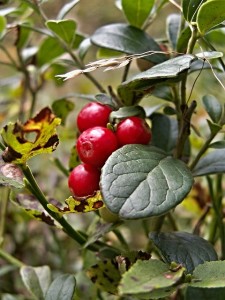
The Raging Libido Diet

By Sharon Krum

Copyright 2004 Times Newspapers Limited
The Times (London)

January 17, 2004, Saturday

Ditch the Viagra -the best night of sex you will ever have could be
waiting in the herb section at the health food store. Sharon Krum
reports

On paper Ellen Kamhi has all the attributes necessary for a successful
career as a porn star. She talks about sex with abundant enthusiasm
although, she points out, she prefers to perform it. She can’t look at a
banana or cucumber without referencing its anatomical equivalent. And
when she contorts herself into yoga poses she’s not seeking serenity but
deeper orgasms.

So it’s understandable that there is both surprise and disappointment
when people learn that Kamhi is no X-rated starlet but a middle-aged
nurse and practitioner of holistic medicine whose real and abiding
fetish isn’t sex (though she rates it highly) but food and herbs.

“I’ll never criticise modern medicine. There is definitely a place for
it in our lives,” says Kamhi, who has been dispensing herbal remedies
from her New York natural health practice for 30 years. “But I believe
herbs, vitamins and foods used in specific quantities can be as potent
as prescription drugs, yet with fewer or no side-effects. So when you
have a health problem, you should always look to nature first.”

Which brings her to sex, or rather, dysfunctional sex, which Kamhi
claims has become the new “it” disease of the pharmaceutical
industry.Given that people love sex and don’t look like giving it up any
time soon, new drugs that restore libido (for menopausal women) or
enhance performance (for impotent men) are a veritable licence to print
money.

In the US, ten Viagra pills cost about $ 150 (£81), leading many men to
order, via the internet, from Mexico, lowering the cost by 30 per cent.
Though Kamhi understands the rush to bring prescription drugs into the
bedroom, she insists that there is no need. In her new book The Natural
Guide to Great Sex: Improve Your Love Life with Nature’s Alternatives to
HRT and Viagra, she promises that sustained erections and heightened
arousal can be found inside the supermarket and health food store.

“Everybody wants great sex, so I understand this obsession with
pharmaceuticals,” says Kamhi, 52, who certainly looks like a walking
advertisement for natural supplements, with glowing skin and an energy
level double most women her age. “But you have to calculate the cost.
HRT we now know has serious implications for cancer. An adverse reaction
for Viagra is headaches, strokes, in some cases death.

“Foods and herbs have fewer side-effects. The difference is that people
have to be patient. Some herbal remedies work instantly; some take a
month or longer. But they do work,” she claims. Unbelievable? She swears
it is all based on science.

Interestingly, some men who seek out Kamhi don’t even exhibit symptoms
of sexual dysfunction, their problem is simply too much Sex and the City
and Britney Spears videos. “Younger men today are bombarded with sexual
images in the media, making their expectations enormous. They expect
fireworks every time and think they are not performing adequately, when
really they are having just fine sex.”

But for men experiencing genuine impotence, Kamhi treats them with the
herb yohimbe, which she says provides a similar level of stimulus and
blood flow to the penis as Viagra:

“Yohimbe is bark stripped from a tree in West Africa. It stimulates
circulation to the genitals and will become active within an hour of
use.” Kamhi insists that all her recommendations have been verified by
scientific studies done in Germany, the US or the UK.

Korean ginseng, she maintains, also works well as a stimulant directly
before sex.

“Studies have shown an increase in the duration of erection. But taking
Korean ginseng on an ongoing basis will also increase testosterone
levels.”

For general male sexual wellness, she recommends oysters (no, it’s not a
myth, she claims), which are high in zinc. “It is often low in men who
have sexual dysfunction. Adding foods high in zinc, like oysters, as
well as pumpkin seeds and pine nuts, is essential for a healthy sex
life.” As are oats, the bane of many a childhood breakfast. “Oats
boost
sex drive. They contain zinc, proteins and minerals needed to produce
healthy seminal fluids. Men should eat a bowl a day.”

They should, Kamhi also instructs, use ginger and cayenne pepper in
their food before sex. “They are warming herbs and increase circulation
to the genitals.”

And now for the don’ts: carbs, fats, alcohol and fish and chips. “When I
was in London in May, I was shocked how much bread and fat the English
eat. Carbs and fats lead to hardening of the arteries, which decreases
circulation to the genitals.” Fried foods, she argues, particularly a
regular diet of fish and chips, contain trans (hydrogenated) fats, which
decrease testosterone and increase abnormal sperm (in animals). Alcohol,
she points out, lowers sexual response, although most men know this. “If
men want great sex they should stick to a diet high in vegetables and
fish and low in carbs and fats. And they should eat oats.”

Women mercifully are spared a return to porridge but Kamhi says there
are foods and herbs they too should ingest daily to increase or restore
sexual health.

“Unlike men, women have a real shift towards a decreased sex drive as
they age due to the decline in hormones,” she says. “But there are
foods
and herbs that can increase libido and support the production of
oestrogen to reduce hot flushes, just like HRT.”

Soya, of course, is considered a magic pill for women in menopause but
Kamhi warns them to tread lightly. “One ounce a day of soya milk or
foods is fine. But too much can interfere with thyroid function.” Much
better is to have one pomegranate a day, a fruit which she says contains
a form of oestrogen called oestrone.

Similarly, fennel contains oestrogen-like oestragole.

When it comes to great sex, Kamhi says that along with soft lighting and
a Barry White CD, herbs and minerals are a woman’s best friend. She
believes the mineral arginine can increase arousal of post-menopausal
women. And that the herb damiana, taken daily, can help a 50-year-old
feel like a newlywed.

But when daily maintenance isn’t enough and it’s time to break out the
nuclear weapons, Kamhi says that directly before sex women should
partake of yohimbe: “It can increases circulation to the genitals,
elevating sexual response. And magnesium before sex increases
circulation to female sex organs and can stimulate a stronger orgasm,”
she claims. Vitamin E, she swears, is a woman’s best friend when it
comes to vaginal dryness. “Women should eat avocados, rich in vitamin E,
and can use it intra-vaginally (using bottled oil) for lubrication.”

People have long used the dinner date as a prelude to seduction but
Kamhi says the reason why some meals end badly and others in the bedroom
all comes down to the menu. She instructs all cooks to light candles
then serve a smoothie made of vanilla (the smell is an aphrodisiac),
soya milk (for the phytoestrogens) and banana (potassium for sex drive)
laced with 30 drops of liquid extract yohimbe, damiana and ginseng.
Follow with oysters on the half shell and asparagus (for its phallic
overtones). Dessert should be limited to chocolate which, as all good
chocoholics know, can stimulate the production of endorphins -feel-good
chemicals.

Then, once in the bedroom with your hormones racing, Kamhi advises you
spend five to ten minutes doing yoga before hitting the sheets. She is
not joking: “Studies have shown that certain yoga postures can be
powerful before sex. For men, a shoulder stand drains blood out of the
lower body and releases stagnation in the genitals. For women, the
butterfly pose (see panel) directs energy to the genitals and opens up
the area often blocked by emotional issues.”

I delicately ask Kamhi, whose boyfriend is 59, how much of her own
advice they have taken as a couple. She is more than happy to talk about
her sex life, brag actually. “We have tried everything I recommend in
the book. We did the yoga positions, took the herbs and ate the foods,
and I have to say, we had great sex!”

she shrieks.

“My boyfriend said the yohimbe worked as well as Viagra, and taking
damiana, I could definitely feel a difference. I’m telling you, the best
night of sex you will ever have is waiting for you at the health food
store.”

The Natural Guide to Great Sex: Improve your Love Life with Nature’s
Alternatives to HRT and Viagra, by Ellen Kamhi, Godsfield Press, £12.99,
is published this month * People with chronic medical conditions, such
as high blood pressure, or those using prescription medications should
consult a doctor before using any herbs for sexual health.

BEST YOGA POSITION FOR SEX

Butterfly pose: this sitting stretch focuses on the inner thighs and
opens the genitals, heightening the sensitivity of this area.

1 Sit up straight on the floor.

2 Breathe deeply. Using your hands, hold the soles of your feet
together, and pull heels to within 12cm of your body.

3 Gently bounce knees up and down, 2-4cm, for two or three minutes.

HERBAL APHRODISIAC

Use liquid extracts of the following, which are available in most health
food stores:

Ginseng, ginger, oat, damiana, muira puama, passionflower.

Combine 20 drops of each extract in one-quarter cup of warm water. You
can add one half-ounce of Amaretto or some other flavored liqueur.

RECIPE FOR LOVERS

FENNEL, ORANGE, POMEGRANATE AND PINE-NUT SALAD

1 fennel bunch, thinly sliced stalks and bulb

1 orange, sliced into wedges (skin removed)

1 whole pomegranate

20 pine nuts

15 mint leaves

In a medium-size salad bowl, combine cut-up fennel and orange slices.
Scoop all the flesh out of the pomegranate and mix with the fennel and
orange slices.

Sprinkle the pine nuts and mint leaves on top of the mixture. Serve
within one hour of preparation.

(You’ll need an extra bowl to spit out the pomegranate seeds after
sucking off the red flesh.)