Ancient Wisdom of Healing Plants

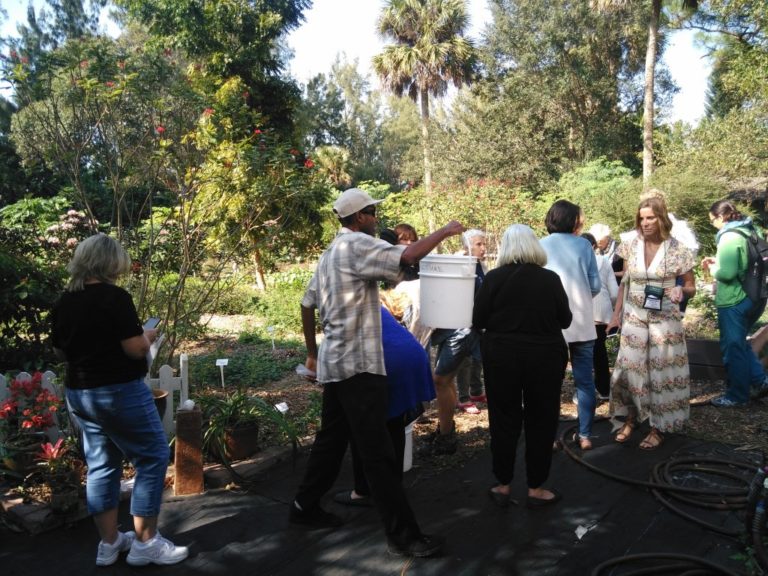
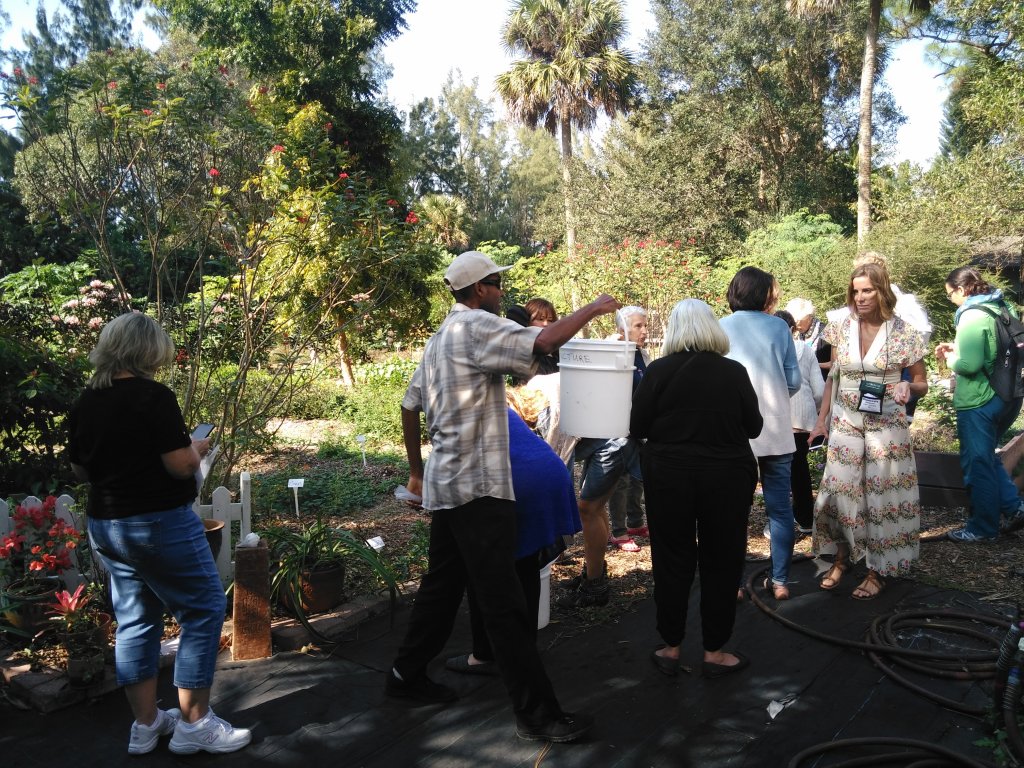
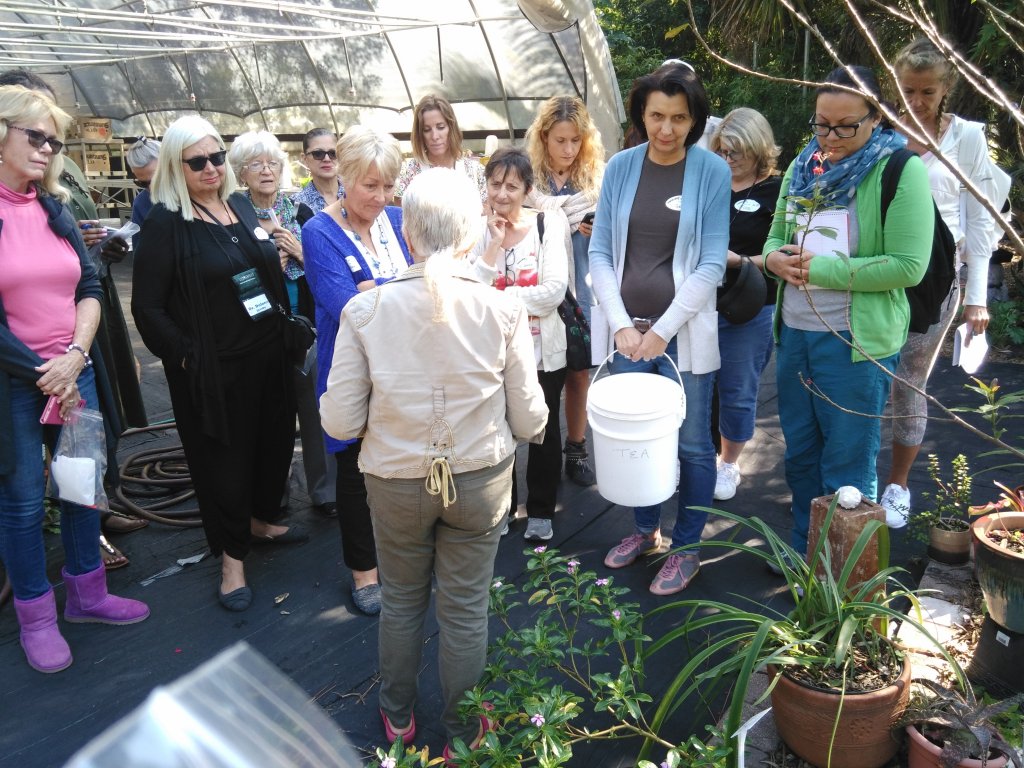
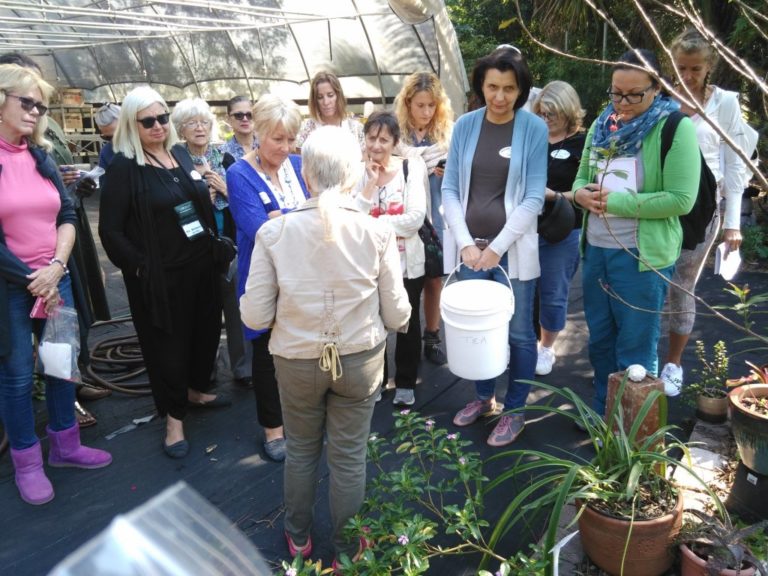
Master Herbalist Ellen Kamhi, AHG(RH), The Natural Nurse(r), brings the message of  Ancient Wisdom of Healing Plants to everyone! Attend a workshop and take home the knowledge of YOUR ancestors: how to honor, identify, gather and process wild plants into herbal medicine.

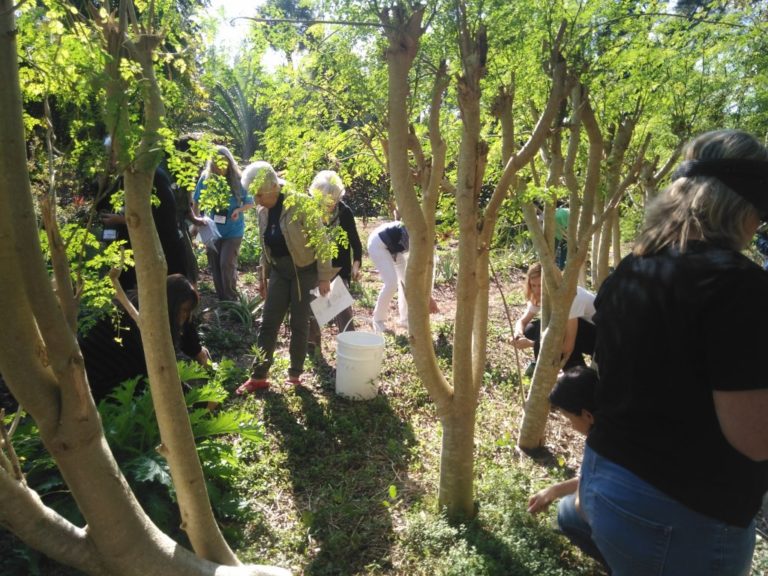
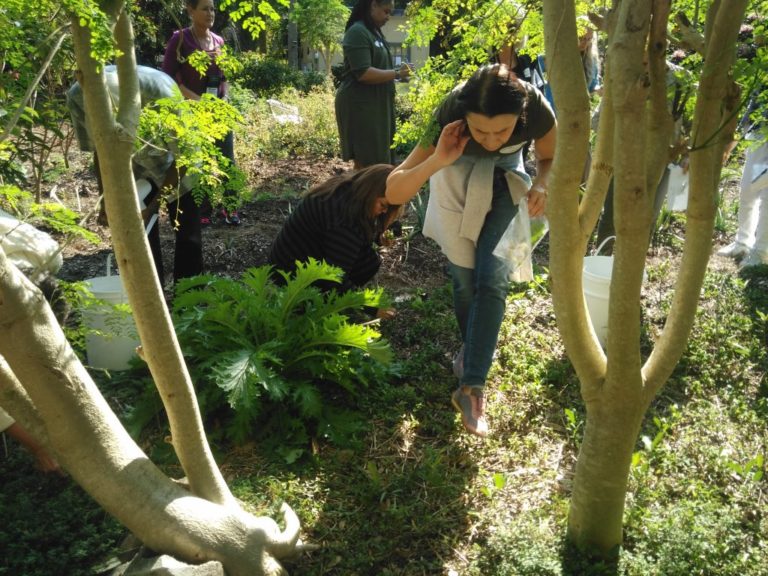
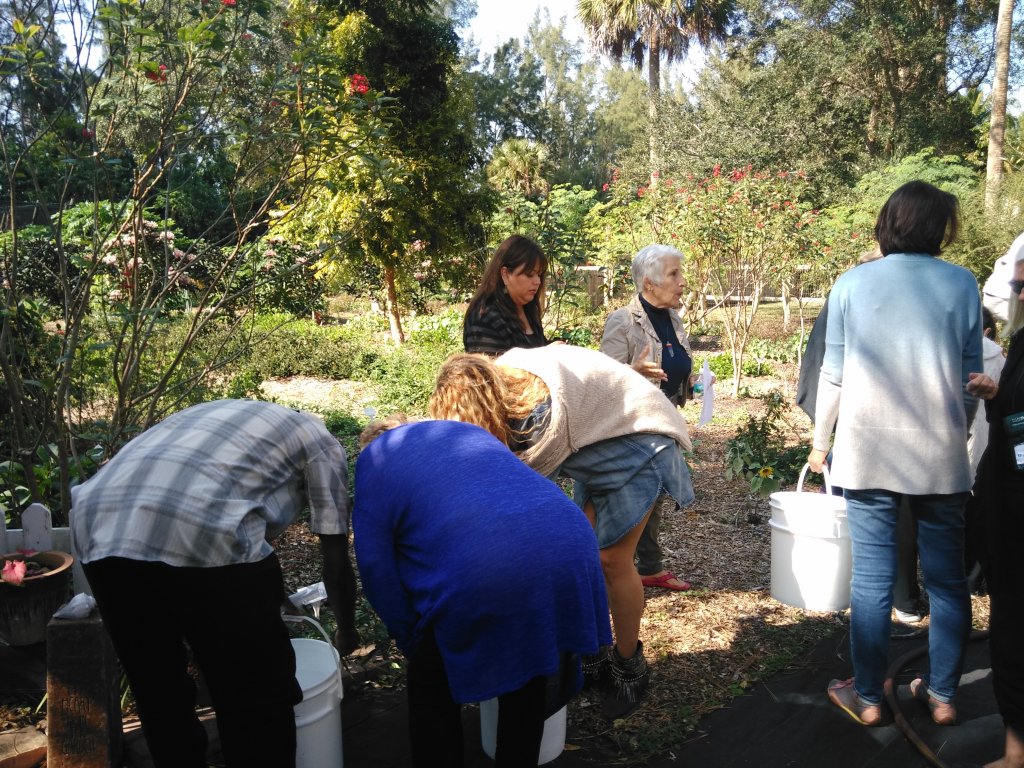
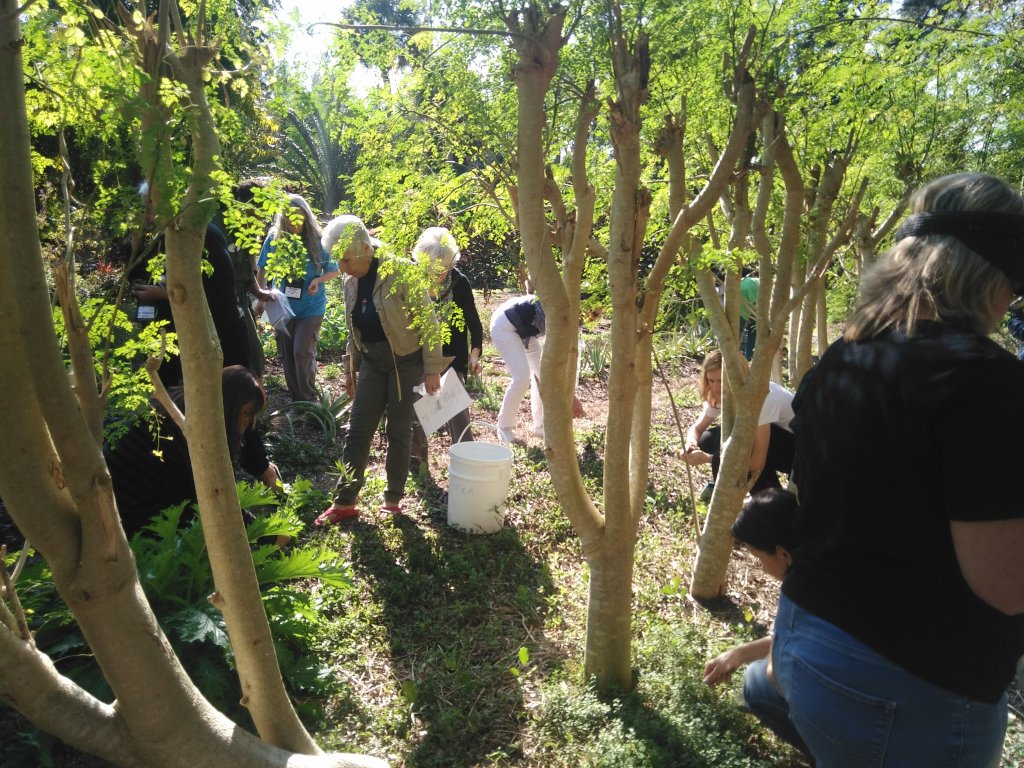
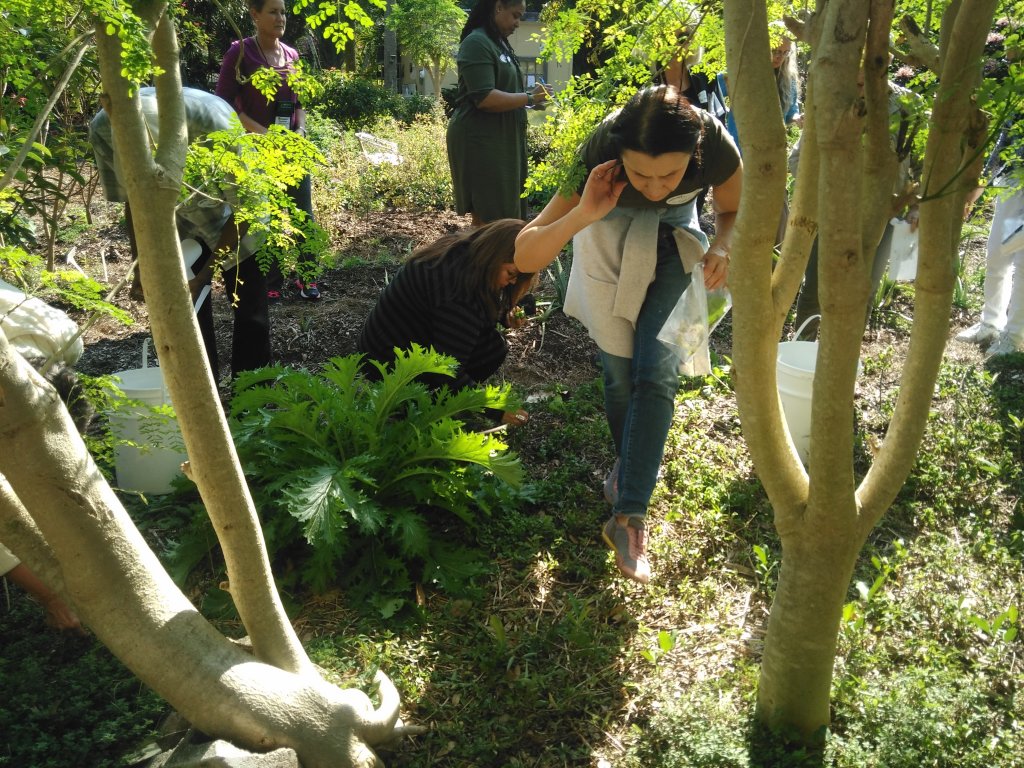
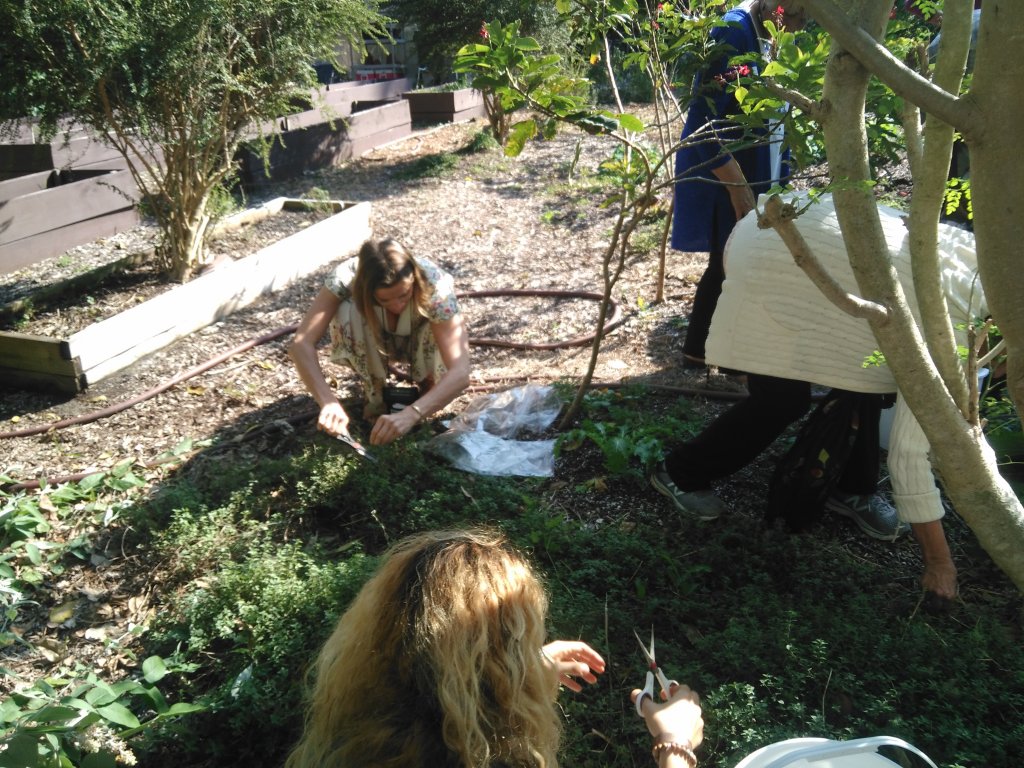
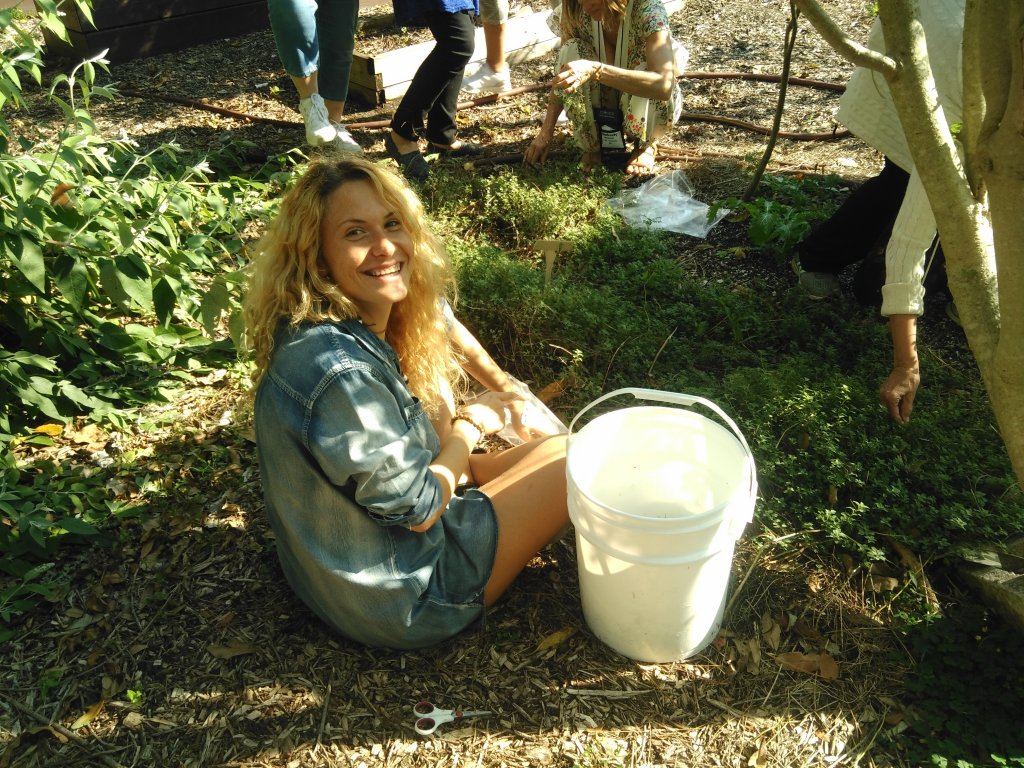
In the field collecting wild herbs

Click image to enlarge / zoom in and view in slideshow

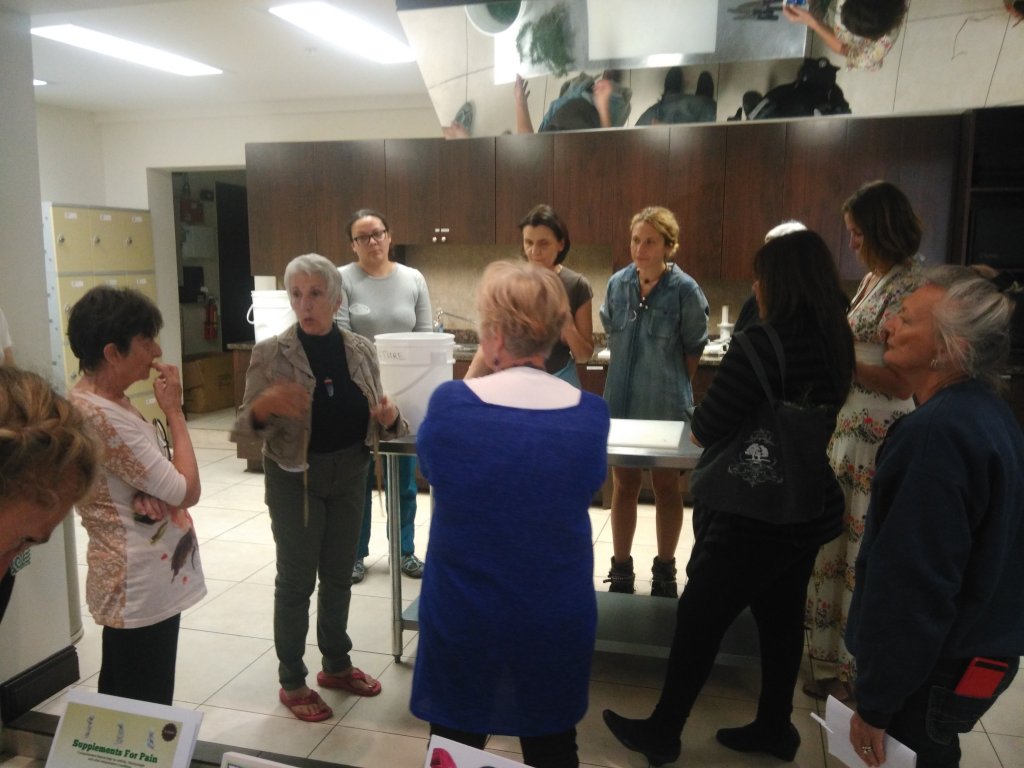
Ellen discussing wild plants
Wild Medicinal Plants in the Field1
The Natural Nurse in the Wild
Herb Student Finding Plants

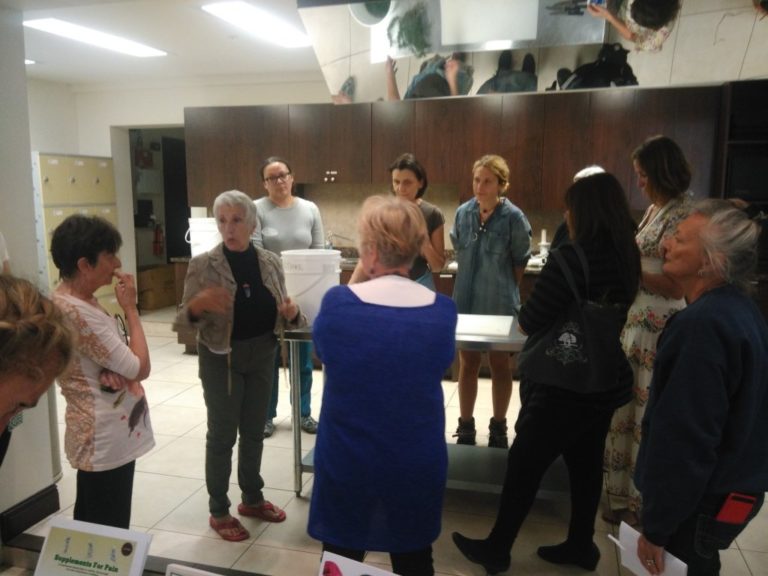
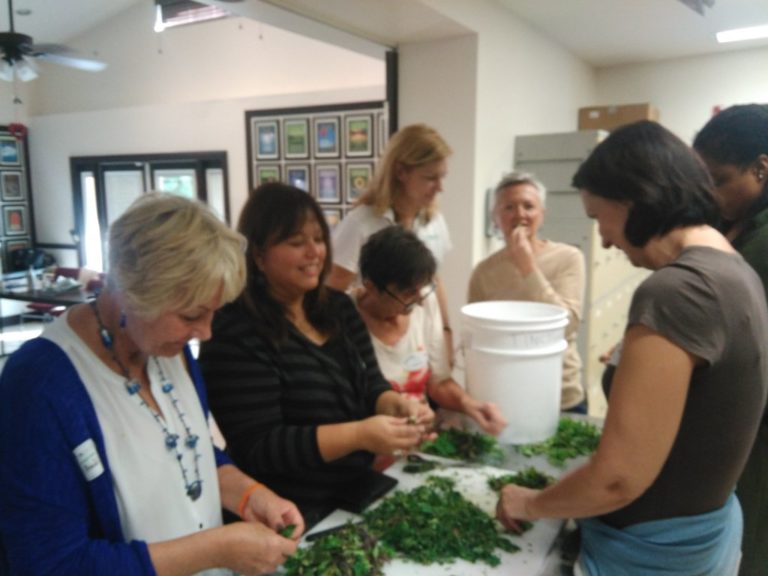
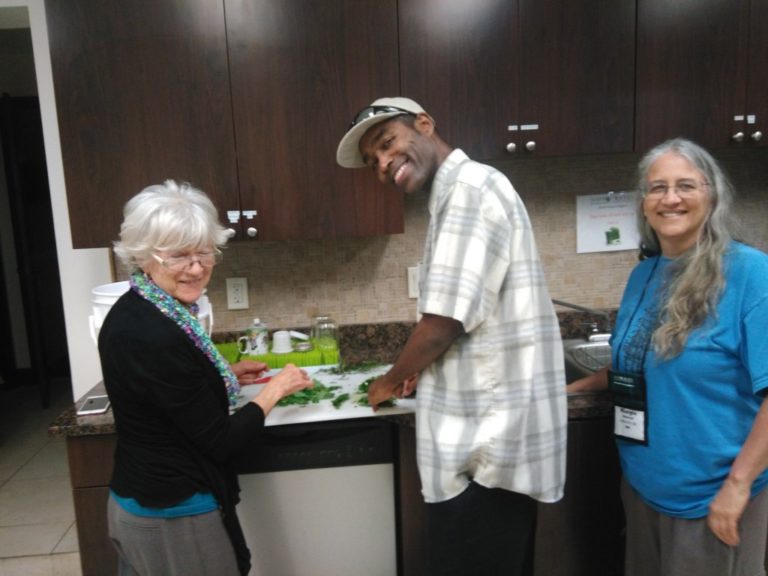
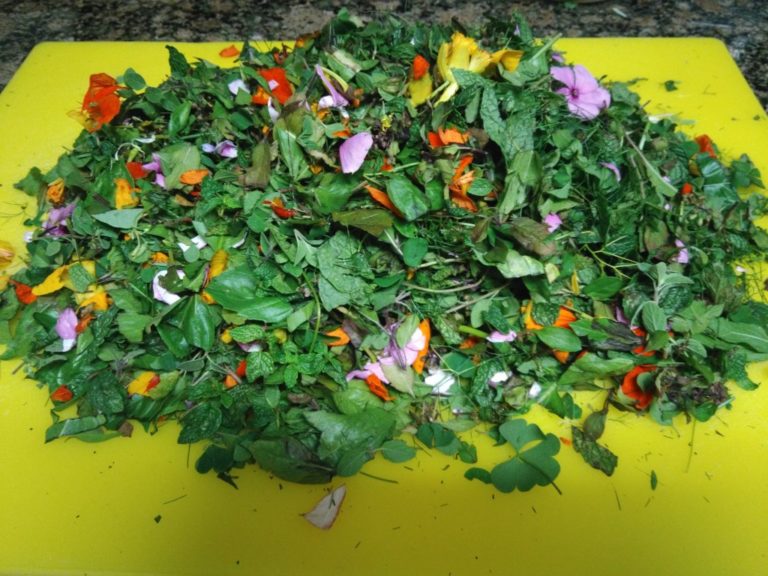
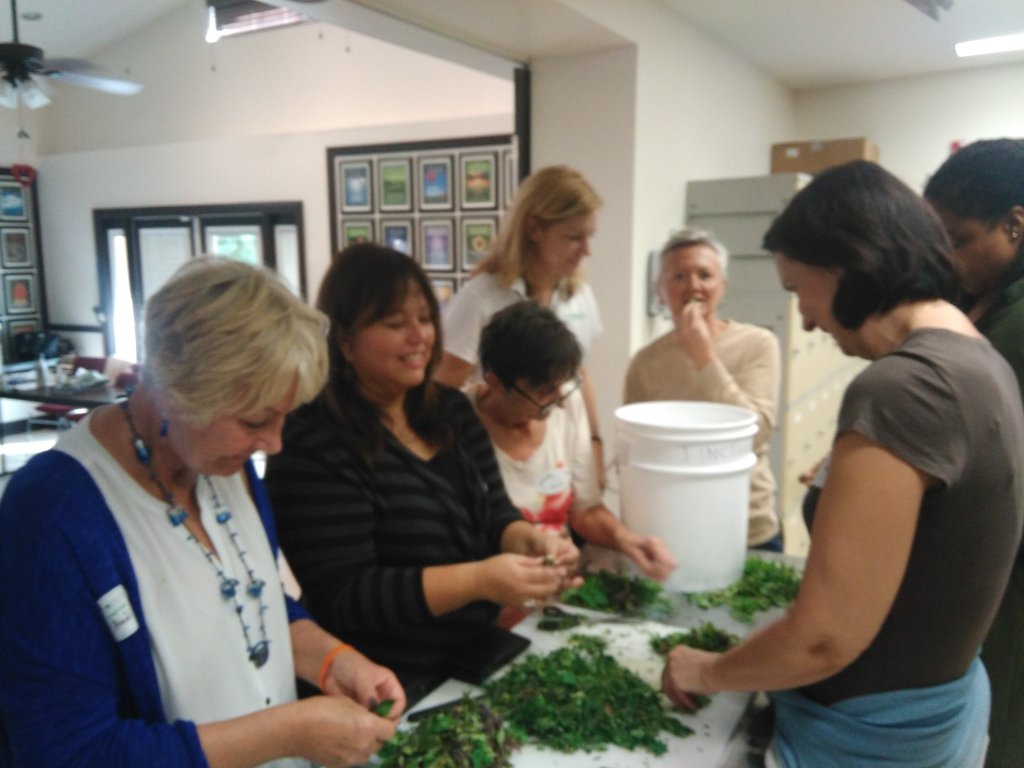
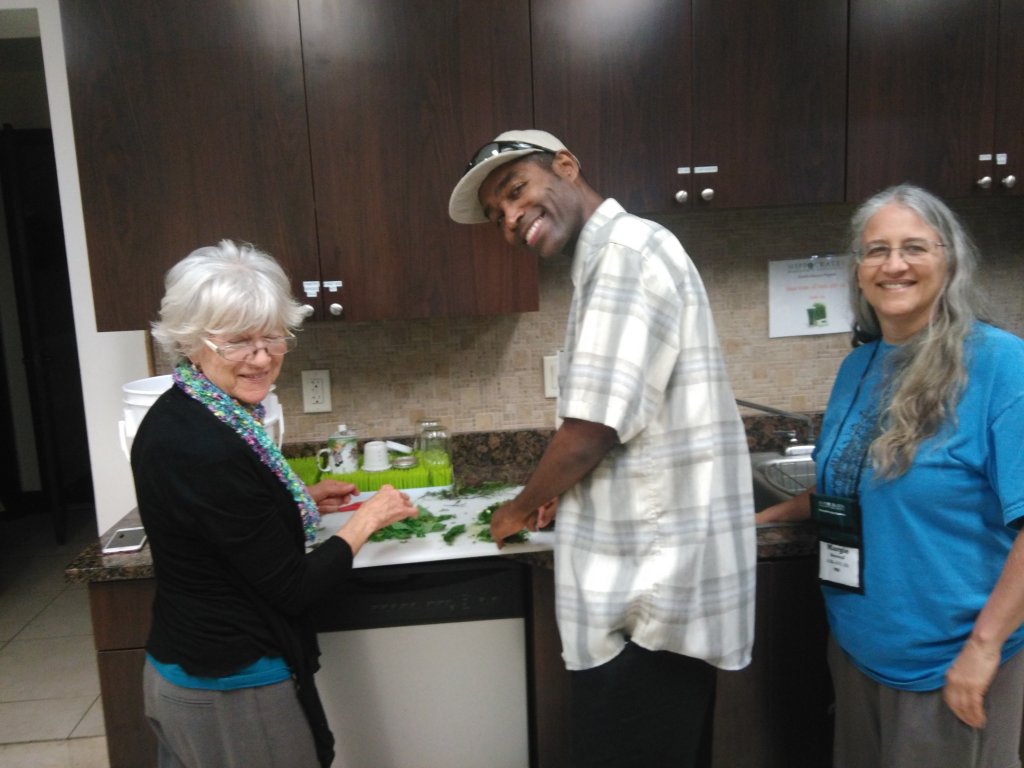
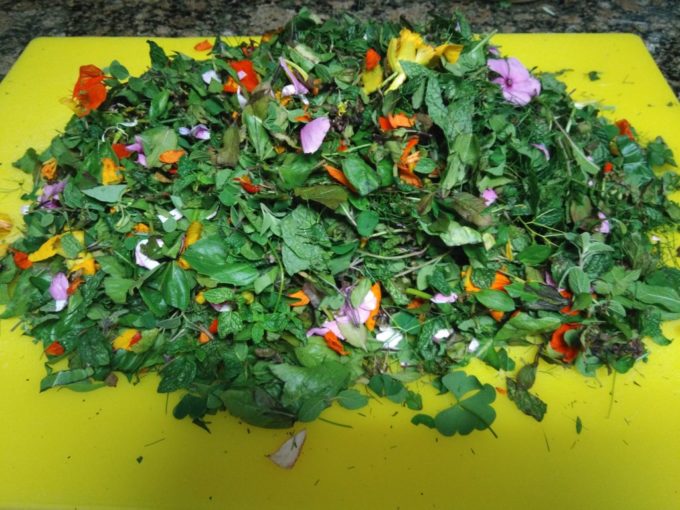
Back in the lab,  processing the herbal collection into tinctures, teas, and herbal sachet bags.

Natural Nurse Processing Wild Medicine
Herbal Tea Processing
Herbal Tincture Processing
Sacred Satchel Bag Herbal Mixture

Quoted in Kiwi Magazine: “Make Over Your Medicine Cabinet”

Ellen Kamhi PhD, RN, has written a number of books and contributed articles to numerous publications (magazines and newspapers). Recently, she was quoted in the Kiwi Magazine on how to use natural products to make over your medicine cabinet. To read the full article, click the image below. Dr. Kamhi discusses how Sambucus Elderberry helps discourage viruses, how to use fennel as a tummy tonic, and more.. along with great information from other health experts.

Make_Over_Your_Medicine_Cabinet_KIWI_magazine_-_2015-12-08_15.51.55If you have any questions and would like to have a private consult with Dr. Kamhi, please contact her here.

Water Thoughts

In Honor of “Return of the Waters” Centennial of Saratoga’s Charter.

Water is truly the underlying basis for all life. I love the quote from Star Trek, when an alien being observes “ Humans are no more than ugly bags of mostly water!” Well beauty is in the eye of the beholder, but humans truly are bags of mostly water… Water makes up between 75% and 65% water, depending on age, size and weight of an individual. In addition to being the majority of the substance in every cell, Water helps to maintain many bodily functions. It enables swallowing and digesting foods, lubricates all mucous membranes and joints, maintains normal body temperature through perspiration, absorbs nutrients and eliminates wastes. Besides being the real basis of life in a physical sense, water is intimately linked to spiritual principles.

baptismal-font-869128_640Water is used in spiritual ritual, such as baptism in Christianity, bathing in the holy Ganges River in Hinduism, the Mikvah Cleansing Bath in Judaism, among many other examples. In modern times, Dr Glen Rein, the premier researcher on the energetic properties of water used his unique type of expertise to effect changes in the structure of water with Electro-Magnetic fields, thus changing its physical properties and allowing for its application to produce novel, enhanced effects in products for the skin-care industry, among other healing effects. (https://www.innobioteck.com/water-research.html)

Water was the basis of an entire chapter in the History of Medicine in the United States and Europe. A group of medical practitioners, referred to as The Physiomedicalists and The Hydropaths, were branches of medicine based on healing modalities referred to as ‘water cures.’ Many personalities were involved in this movement. Alva Curtis was the founder of the Physiomedicalist Philosophy. In 1835, Curtis opened the ‘Botanicomedical School and Infirmary’ at Columbus, Ohio, which used water cures among its healing procedures.

Vincent Priessnitz (1799-1852) was known as The Sponge Doctor. He was born a peasant in Silesia (now Czech Republic) and never attended medical school , but Priessnitz became one of the most famous healers of all time. He set in motion the forces which would lead to the establishment of hydrotherapy as a legitimate healing medical entity. Priessnitz observed that cattle and deer who had inflammation submersed the effected body parts in cold water, and it seemed to bring relief to their conditions. He then developed the cold water Priessnitz compress therapy by experimenting on his own farming injuries and treating local people in his village. Vincent Priessnitz coined the phrase “ Nothing is impossible to nature, diet, & cold water”. He was arrested several times for practising medicine, but always acquitted because “he was only using water”. Authorities decided to attack him as a sorcerer, and raid his place, looking for drugs, and in frustration, cutting up all his bewitched sponges! However, persecution didn’t embitter him, but only made him more famous. In 1826, he opened his own hydrotherapy institute, with a 45 patient residential capacity which filled instantly! This increased to many institutions with 1600 bed capacity all filled to the brim! Eventually, the Austrian government endorsed his practice and gave him the same status as a medical doctor, building new roads up to his establishments!

An important figure in the development of “ water medicine’ was Dr. Sebastian Kneipp (1824-1897). Kneipp was born very poor in Bavaria. He was very sickly from poor diet and developed tuberculosis. He stumbled upon a book by Hahn (a student of Priessnitz ) about the use of the water cure. After 6 months, he regain his health. Kneipp was ordained as a priest and treated his parishioners with the water cure, becoming known as the cholera vicar. People from all over the world came to be healed by his method of hydrotherapy. Kniepp believed that disease came from deranged blood; water healed by removing toxins restoring normal circulation, and strengthening the body.

Kniepp’s student, Bennedict Lust came to the United States in 1892 , and brought his brand of hydrotherapy to Americans. He also established the first health food store in America, and is known as The Father of American Naturopathy. Lust’s efforts were   supported by his wife Louisa Lust, N.D., who was already an esteemed physician before marrying Dr. Lust. She ran the Yungborn Sanitarium in Butler NJ, one of the premiere healing centers in the United States. The use of water as a respected healing modality continues today among Licensed Naturopathic Physicians (ND’s). They are highly training in the long history and evidence based healing effects linked to the use of water as a healing modality, such as colonic irrigation, enemas, contrast hydrotherapy and fever treatments, just to name of few. These time tested ‘drugless’ therapies bring great relief to millions, as they have throughout history. The waters of Saratoga Springs have a long history of applications, both for bathing and internal use, and as we move forward into modern times, they will hopefully once again be respected, protected and revered!

Ellen Kamhi, PhD, RN, AHG, AHN-BC is on the Peer Review Editorial Board of several journals/organizations, including: Alternative Therapies in Health and Medicine, Natural Medicine Journal, Natural Standard Database.  954-418-2388

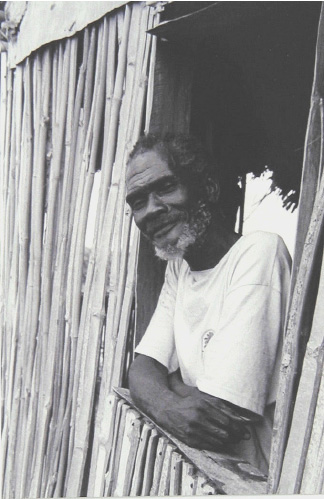
In Memoriam: Jamba of the Maroons- Our Sacred Teacher

Lloyd “Jamba” Scott
1937-2014

Lloyd “Jamba” Scott, a Jamaican herbalist of the Maroon tradition and educator of scores of naturopathic physicians and herbalists, died in Jamaica in November 2014 of natural causes. He was 77.

Lloyd Scott was born in Penn Hill, in the Jamaican parish of St. Mary. As a young man, he was a gifted athlete and excelled in boxing and cycling, winning many championship cycling events in Jamaica. He was a talented farmer on land inherited by his family in Islington, Jamaica, where he grew commercial smilax (Smilax spp., Smilacaceae), ginger (Zingiber officinale, Zingiberaceae), and turmeric (Curcuma longa, Zingiberaceae), as well as many other herbs, for the market in the United States.

He was also a master sculptor and carver, taking the name Chamba (later, Jamba), which means “chopping up of wood” in Patois, a creole language of Jamaica. A champion fisherman, his student Mike Daum documented on film Jambas catching barracuda with only a hand line and his machete.

He studied herbal medicine by spending time with elder family members and friends and apprenticing in the Jamaican Cockpit country on the parish of Trelawny, learning the many closely held herbal medicines used by the Maroons. Later, he served as the village bush doctor and elder in Islington, where he treated the villagers for many decades.

Jamaican Maroons are the descendants of indentured servants and slaves brought from Ghana, Ivory Coast, and Sierra Leone to Jamaica by the Spanish in the 1500s. (Maroon comes from the Spanish word cimarrón meaning “wild” or “untamed.”) The Maroons kept alive their Ashanti and Coromantee languages and medicine customs from Africa, combining them with native Jamaican Arawak traditions. The Maroons were continuously joined by many other fugitive slaves, and the word Maroon became synonymous with the “untamed, fugitive slave people of the hills.”

Following a 14-year struggle called the First Maroon War against British colonizers, the Maroons signed a peace treaty granting them total freedom. The Maroons of Jamaica still maintain their independence and identity as The Maroon Federation, and Maroon territory is considered a sovereign nation within the tiny island of Jamaica. One of their strongest tenets is the healing power of nature and their deep knowledge of the myriad Jamaican herbs and their uses.

As a young biology student, I (EZ) traveled with my high school classmates to the remote regions of Jamaica. There, I met and befriended Jamba Scott. While in Jamaica pursuing a graduate level course over winter recess, I fell ill with intestinal dysentery. I tried conventional medicine, which caused significant adverse effects and did not seem to be helping. Feeling weak and depleted, I approached Jamba and one of Jambas herbal teachers, an elder bush doctor known as Pop-A-Top, for help and advice. They suggested that “Maroon science” and herbology would bring rapid, welcomed relief where “Babylon medicine” (Western medicine) would not.

For three days I received a steady diet of a strong decoction made from ferns, Jamaica allspice (Pimenta dioica, Myrtaceae), cloves (Syzygium aromaticum, Myrtaceae), guava (Psidium guajava, Myrtaceae), sea grape (Coccoloba uvifera, Polygonaceae), and many other Maroon herbs. The remedies were prepared by Jamba and Pop using their traditional “Maroon science.”

The herbal treatment quickly produced positive results that the conventional medicines did not. This experience prompted a personal conversion in me, and I began researching ethnobotany — the cultural, medical, and spiritual aspects of plant healing. I asked Jamba if I could become his apprentice, even though I was a non-Maroon. Jamba agreed; he was advised by his grandmothers duppy (spirit) in a dream that he could trust me with this sacred knowledge and that I would be the right person to help pass his secrets on to the world as an “ethical ethnobotanist,” giving back to the community and the local people.

Jamba continued to mentor me and my students, teaching them self-sufficiency and the benefits of living as he did, a Jamaican countryman close to the earth. Many people would accompany me to Jamaica, and Jambas teachings radically changed the lives of many of these visitors. In addition, Jamba worked with the Jamaica Wholistic Herbal Association, leading workshops with herbalists throughout Jamaica, and was one of the first farmers in St. Mary to introduce neem (Azadirachta indica, Meliaceae) as a natural insecticide.

Jamba worked with my business partner Ellen Kamhi, PhD, RN, photographer Tom “Asher” Hammang, and me to document the Jamaican bush. Ellen and I co-authored The Natural Medicine Chest (M. Evans & Company, 1999), which includes a section, “Herbs from The Shamans Garden,” that chronicles Jambas herbal knowledge. His contributions included sections on the Maroon ethnobotany and medical uses of 20 herbs. Jamba, Ellen, and I also collaborated on several other projects, including EcoTours for Cures, an adventure travel company focusing on ethnobotanical and cultural journeys so that interested travelers could observe, work with, respect, and preserve indigenous cultures and their knowledge, chronicling it for future generations. Jamba has been featured in many international magazines, articles, and radio programs discussing the medicinal herbs of the West Indies.

Since 1990, Jamba instructed scores of naturopathic students and herbalists eager to meet and work with him and immerse themselves in field research about Jamaican botanical medicines, including noted herbal leaders such as Ric Scalzo, founder and CEO of Gaia Herbs; Geo Espinosa, ND, director of the Integrated Urology Center at New York University; and Jamaicas most esteemed herbalist, Diane Robertson.

As Mark Plotkin, PhD, a world-renowned ethnobotanist and expert on the Maroons, has stated on Ellens and my syndicated radio program Natural Alternatives: “Every time a shaman dies, it is like a whole library of information being burnt to the ground, lost forever.”

Lindsay Chimileski, ND, who wrote her naturopathic thesis on Jamaican herbs, said of Jamba, “I am honored to have learned from and connect[ed] with Jamba. I know that his strong spirit lives on through [Dr. Zampieron] and all his students, friends, and family … but I feel a weight on my heart thinking about Jamaica without Jambas physical presence, knowing eyes, loving smile, and one-of-a-kind dancing.”

A tribute and memorial ceremony was held for Jamba in March 2015 in Jamaica.

Eugene Zampieron, ND, RH(AHG)

Ellen Kamhi, PhD, RN, AHG, AHN-BC

Reposted with permission from HerbalGram. 2015; American Botanical Council Issue: 106 Page: 76-78
PUMPKIN Emperor of the Garden

 Pumpkin (Curcurbita pepo) Gigantic Gourd…Guardian of Health

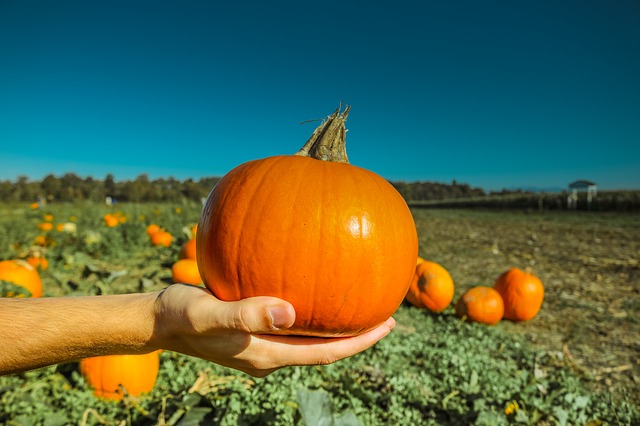
pumpkins-504124_640FACTS: Pumpkin is the largest species of fruit…

Pumpkin seed oil is high in essential fatty acids…

Pumpkin seeds are a safe and effective worm expellent..

Pumpkins grow on a creeping vine which have very large, dark green leaves. They are the largest known species of fruit and are often referred to in the Caribbean as “hundred weight gourds.” Individual specimens can exceed a circumference of six feet and weigh over 500 pounds! The orange color of the flesh of the pumpkin is due to its high content of various carotenoids and vitamin A. Native Americans grew pumpkins as a staple along with beans and corn and taught early European settlers to rely on pumpkins as a source of nutritious food.

The pumpkin is referred to as “Emperor of the Garden” in China and is considered a symbol for health and fruitfulness.

More than Just for Pumpkin Pie…

Chunks of pumpkin can be boiled or baked and served as a healthy vegetable, or it can be mashed and added to soups, stews and baked goods.

In the United States, the pumpkin has become reknown for its role as the Jack-O-Lantern on Halloween. Many a child stares wide eyed as the pumpkin is carved into a scary Jack-O-Lantern. A candle is then placed inside, lighting up the pumpkin face with an eerie glow.

Pumpkin seeds can be gently oven roasted into a delicious, nutritious, crunchy snack. Lay the seeds out one layer thick on a lightly oiled cookie sheet. Bake for half hourat 250 degrees. You can add a little sea salt to taste, if you so desire. Sprinkle some cayene pepper, garlic powder and tamari prior to baking for a delicious, high protein and nutritious snack.

For a variation on pesto, try pumpkin pesto. Use the raw pumpkin seeds as a replacement for pine nuts. This enhances the nutritional value and flavor of this delicious cuisine.

Pumpkin Seeds are Good “Male Medicine”….and More!

pumpkin-233851_640The pumpkin seed is respected in many parts of the world as a remedy for prostate problems and impotence in men. Research has found pumpkin seeds to be high in zinc and other minerals needed for a healthy male reproductive system. Pumpkin seeds are also a mild diuretic.

Another well known medicinal use for pumpkin seeds is as a vermifuge or worm expellent. The action of the rare amino acid cucurbitin, found in pumpkin seeds, is probably responsible for this effect. Eat a handful of pumpkin seeds, or grind the seeds into a powder and mix into warm soy or almond milk. This was often followed with two tablespoons of castor oil to facilitate the expulsion of the parasites. This “worm medicine” is safe for children and pregnant women when other vermifuge treatments may be too harsh.

Pumpkin seed oil is excellent to use externally to help heal burns, dryness and chapped skin because it is high in healthy linolenic and linoleic fatty acids. A poultice can also be made from the flesh of the pumpkin and applied directly to irritated skin.

As we see, pumpkins are much more than an autumn decoration. Use them for their versatility, nutrition and medicinal value in ….The Natural Medicine Chest.

Ellen Kamhi PhD, RN, The Natural Nurse®, is the author of several books, including THE NATURAL MEDICINE CHEST. Dr. Kamhi has been involved in natural health care for over 4 decades. She offers consults in person or by phone, and will be teaching a course at Century Village entitled Natural Remedies, Jan-Feb 2015. Dr. Kamhi  www.naturalnurse.com   954-418-2388.

THEANINE- Relaxation without getting Drowsy!

THEANINE- Relaxation without getting Drowsy!

Ellen Kamhi , PhD, RN, AHG, AHN-BC

Getting a good night’s sleep is challenging for many individuals. There are substances in nature that can help with rest and relaxation, without the harsh side effects that may be experienced with pharmaceutical drugs.

As scientific evaluations continue on assessing the therapeutic effects of natural remedies, there is more information available about specific natural compounds that can be useful for overall health, as well as helping with sleep. One of these compounds is called L-theanine.

L-theanine is an amino acid that is found in tea leaves. Tea leaves are from a specific plant known as Camellia Sinensis. The leaves of this plant are picked and then processed in different ways to create both Green tea and Black tea. L-theanine can also be extracted from some species of medicinal mushrooms.

Scientists have been investigating the mechanism of action of how L-theanine might be helpful to support relaxation. This substance has the ability to increase GABA (Gaba Amino Benzoic Acid), which is an important natural chemical that helps the body attain a state of relaxation. GABA helps to inhibit neurotransmitters, thus allowing activities in the brain to slow down and relax. GABA is normally synthesized within the brain, if there are enough precursors available, such as Vitamin B. GABA has been studied for its anti-anxiety, anticonvulsant, and relaxation effects. Several herbs are associated with a natural increase in GABA, including Kava, Valerian, Skullcap and L-theanine. While some of these substances are also sedating, and may cause drowsiness, L-theanine has the advantage of acting as a calming agent, while also supporting mental clarity.

Experiments have been performed analyzing the action of L-theanine on the brain. EEG readings of brain waves have shown that brain waves get less jagged, and show a smoother pattern after using L-theanine, but are not completely flattened , as would occur in a drowsy state. This leads to a relaxed, but not drowsy state.

In human studies, Japanese researchers offered 200 mg of L-theanine daily to a group of volunteers. The participants reported that they experienced a deep quality sleep, and woke up feeling rested and refreshed.

If people use L-theanine along with caffeine, it tends to soften the jitters caused by caffeine, but does not interfere with caffeine’s ability to increase brain activity.

L-theanine may be linked to the positive relaxing effects that many people experience after participating in a ‘tea ceremony’. L-theanine has actually been patented as a mood modulator, to help restore a ‘happy mood’. (US Patent Application 20040171624; Japanese Patent Application 2001-253740). Although the exact mechanism of action of this effect has not been discovered, it is believed to be linked to L-theanine’s ability to assist the body’s production of serotonin and other mood related neurotransmitters.

L-theanine has also been studied for its helpful support to the liver, in terms of its ability to detoxify substances such as alcohol and other potential toxins. It is believed that this supportive effect is due to L-theanine interfering with the loss of glutathione, which is a compound that is needed by the liver to perform its detoxification functions.

The amount of theanine that is often recommended as a supplement is 200 mg per day. There are no reports of serious adverse effects or herb drug interactions, although it is always possible that there can be individual sensitivities.

If you are seeking a relaxing, non drowsy state of mind, L-theanine may be just your cup of tea!

Ellen Kamhi PhD, RN, The Natural Nurse®, is the author of several books, including THE NATURAL MEDICINE CHEST. Dr. Kamhi has been involved in natural health care for over 4 decades. She offers consults in person or by phone, and will be teaching a course at Century Village entitled Natural Remedies, Jan-Feb 2015. Dr. Kamhi will be lecturing at CUNY group meeting on Thurs Feb 11 th, 7 pm, at GP-A in the Clubhouse. All CV residents are invited ! www.naturalnurse.com   954-418-2388.

Thyroid Function and Healthy Weight Maintenance

Thyroid Function and Healthy Weight Maintenance

By Ellen Kamhi PhD RN, www.naturalnurse.com

Thyroid
By CFCF (Own work) [CC BY-SA 3.0], via Wikimedia Commons
The thyroid gland is a butterfly-shaped organ that wraps around the windpipe right behind the ‘Atom’s Apple’. It is the largest of the body’s endocrine glands. The thyroid gland produces several different hormones that are extremely important to the function of a vast array of metabolic processes in the body, including brain development, mood and weight regulation. A surprising number of people have some kind of abnormal function of the thyroid gland. The Colorado Thyroid Disease Prevalence Study tested 25,862 people, and found that over 9% of them had undiagnosed thyroid dysfunctions. This translates to 13 million Americans who may have this problem. In addition, this study researched the link between ‘subclinical’ low thyroid function and high cholesterol levels. Subclinical means that the low function of the thyroid is not discovered through normal tests performed by most conventional physicians.

The thyroid gland plays a key role in weight problems because it controls the body’s overall metabolic rate. When it’s not working properly, it may lead to an array of health problems, including weight gain, arthritis, depression cold hands and feet, dry skin, high cholesterol, chronic constipation and hair loss. Symptoms caused by low thyroid function are so varied, that they can easily be confused with those of other conditions.


The thyroid is the body’s metabolic thermostat, controlling body temperature, energy use, and, in children, the body’s growth rate. The thyroid controls the rate at which organs function and the speed with which the body uses food. When the thyroid is dysfunctional, there are a number of ways that it can seriously impact your weight.

Correct thyroid function keeps the body at a normal, resting temperature of 98.6° F. The thyroid sends chemical messages via hormones to every cell in the body, directing the maintenance of body temperature, heart rate, and muscle movements. When the thyroid is dysfunctional or underactive (hypothyroidism), it sends out fewer hormones, causing metabolism to slow down. When metabolism slows, the body will store rather than burn calories, causing an accumulation of fat.

Low thyroid function   also leads to a sluggish digestive system, often resulting in a number of gastrointestinal problems, including constipation, gas and bloating, abdominal pain, and decreased absorption of nutrients. Decreased digestive efficiency may lead to a condition called leaky gut syndrome, in which undigested food particles enter the bloodstream causing allergic reactions and depleting the immune system. Weight gain is one of the potential results of these digestive disturbances. Because low thyroid function causes fatigue and lack of stamina as well as muscle aches or weakness, people with this condition may find it difficult to exercise which is another factor in weight problems.

Thyroid problems have been on the rise due to the increasingly toxic environment in which we live. Exposure to radiation, fluoride (in water and toothpaste), mercury from silver amalgam dental fillings, pollutants (thyocyanide) in cigarette smoke, and chlorinated compounds (found in wood and leather preservatives) are just a few of the many causes of hypothyroidism. Radiation is probably the greatest environmental cause of hypothyroidism and other thyroid problems, including thyroid cancer. PCB’s (Polychlorinated biphenyls) , chlorinated pesticides, and heavy metals such as mercury(which comprises up to 50% of silver amalgam fillings) have been scientifically proven to disrupt endocrine function.   Even at low exposure levels during pregnancy, environmental contaminants can interfere with thyroid status in later life. Heavy metals also interfere with an enzyme critical in converting the inactive form of thyroid hormone (T4) into the active form (T3).

Dietary factors that depress thyroid function include synthetic and genetically engineered hormones in meat, dairy products, poultry, and eggs, which block the release of thyroid hormones, and either a deficiency or excess of the mineral, iodine. Although deficiencies are rare in developed countries, excess accumulation occurs due to an overabundance of iodine in commercial salt, baked goods (in dough conditioners) and dietary supplements. Some vegetables that have a wide variety of health benefits, such as raw cruciferous vegetables (cabbage, broccoli, cauliflower, brussel sprouts) contain thyroid inhibitors called goitrogens, that may cause an enlargement of the thyroid gland and inhibit hormone synthesis. However, lightly steaming the vegetables stops the activity of the thyroid-suppressing substances. Soy products, especially if not fermented, may depress thyroid function. Other dietary influences include vitamin deficiencies (particularly vitamins A and B), mineral deficiencies (zinc, copper, iron, and selenium), and excess intake of polyunsaturated fats ,such as soybean, safflower, and corn oils. Alternative medicine practitioners generally begin to treat hypothyroidism by strengthening intestinal health and digestion. To help spark proper thyroid function a combination of specific foods, nutrients, exercises and therapies is needed. Thyroid glandular therapy and thyroid hormone therapy may be indicated.

Gugulipid, an Ayurvedic herb that has been used in India for over 2,500 years, is helpful for supporting the thyroid. Studies have shown that gugulipid stimulates thyroid function. Gugulipid is often available as an extract standardized to 2.5-5% guggulsterones. Yoga, Tai chi and Castor Oil packs can also be used in a thyroid healing protocol. . Proper nutrition combined with regular exercise can help restore a weakened thyroid, and lead to weight loss as well!

Ellen Kamhi PhD RN, The Natural Nurse®, can be heard on radio daily. She is the author of several books, including Weight Loss, The Alternative Medicine Definitive Guide.

Dr. Kamhi has been involved in natural health care for over 4 decades. She answers consumer questions and has a private nutrition consultation practice. www.naturalnurse.com 954-418-2388

Featured Image Credit: By CFCF (Own work) [CC BY-SA 3.0], via Wikimedia Commons

Natural Nurse Health Tips (1)

Ellen Kamhi, PhD, RN, The Natural Nurse® , www.naturalnurse.com, Medical School Instructor and Author of THE NATURAL MEDICINE CHEST

Soy Protein for High Cholesterol

Striving for a “Low Cholesterol Number” is losing popularity as a health goal, according to all of the latest studies. While having a high number for ‘Healthy Cholesterol” HDL, is still supported. The entire ‘cholesterol myth’ is now being exposed and ‘busted,’ and the The Dietary Guidelines Advisory Committee, followed the lead of other major health groups like the American Heart Association that in recent years have backed away from dietary cholesterol restrictions and urged people to cut back on added sugars as a primary focus for top notch health. https://well.blogs.nytimes.com/2015/02/19/nutrition-panel-calls-for-less-sugar-and-eases-cholesterol-and-fat-restrictions/?_r=0
Consuming soy can be helpful in reducing low-density lipoprotein or ‘bad’ cholesterol levels by stimulating the liver to break down cholesterol.  If soy is added to your diet, be sure it is ORGANIC. All non organic soy is GMO (genetically modified) and has been sprayed with high amounts of toxic herbicides such as Roundup.

Music therapy for Anxiety

Studies have shown that soothing music can have a positive effect on heart rate, and can be very beneficial to patients in reducing anxiety. Music therapy is a wonderful addition to everyone’s routine. Ellen Kamhi PhD RN ( article author), did an experiment using the healing sounds created by Stephen Halpern, which measured an increase in immune activity following listening to specific music. httpss://www.youtube.com/watch?v=wj11p7veFJg https://www.stevenhalpern.com/prod/soundhealing.html

Condition: Chronic Venous Insufficiency

Treatment: Horse chestnut

When poor blood flow occurs in the veins, it can interfere with the bloods ability to exchange nutrients, waste products, and the all important oxygen every cell needs. This condition can lead to pain when walking, as well as swelling in the limbs.

Horse Chestnut is the nut produced by a large beautiful tree. It contains a compound called aescin, which can reduce the swelling and inflammation caused by venous insufficiency. In one study which involved 240 participants, Horse Chestnut was found to work as well as compression stockings at reducing inflammation.(Diehm C, et al. Comparison of leg compression stocking and oral horse-chestnut seed extract therapy in patients with chronic venous insufficiency. Lancet . 1996;347:292-294) Additional help for venous insufficiency include an increase in consumption of fruits high in bioflavonoids such as heperidin and rutin, found in berries and grapes. Nature’s Answer’s Bioflavonoid Liquid Extract has been successfully used since 1972 by thousands of people to increase their bioflavonoid intake. Other useful herbs include Butchers Broom, Gotu kola and Bilberry.

Condition: Back ache

Treatment: Chiropractic, Yoga and massage

Yoga massage and chiropractic may be the best choice as the first ‘go to ‘ therapy for a back ache, and has a much better risk benefit ratio than drugs or surgical interventions, which can be saved as a last resort measure. The author has interviewed hundreds of clients over 30 years who share claims of great relief from back pain by utilizing chiropractic care. Studies, add additional credence, such as one that is entitled, Adding Chiropractic Manipulative Therapy to Standard Medical Care for Patients With Acute Low Back Pain…. (https://www.multibriefs.com/briefs/aaoorg/addchiropracticMTtostandardmedicalcare062513.pdf)Yoga has been shown to improve strength, mobility and reduce back pain, and massage is a wonderful therapy to improve circulation, reduce muscle spasms and decease back pain.

Condition: High blood pressure

Treatment: Coenzyme Q10

This is a compound found in every cell and symptoms of deficiency include heart failure, high blood pressure and chest pain. Clinical studies have shown that coenzyme Q10 supplements may help to lowers blood pressure. Co Q 10 is depleted by MANY mainstream medications, including Statin Drugs, which leads to many other health issues, such as muscle weakness ( a well recognized adverse effect of statin drugs) Garlic, Magnesium and Omega 3 Fatty Acids, and the herb Hawthorne also be helpful to support healthy blood pressure levels.

Ellen Kamhi PhD RN, The Natural Nurse®, can be heard on radio daily. She is the author of several books, including The Natural Medicine Chest. Dr. Kamhi has been involved in natural health care for over 4 decades. Dr. Kamhi teaches certification courses in Herbal Medicine in person and online, and offers personal consultations. www.naturalnurse.com    www.facebook.com/NaturalNurse     954-418-2388