Tag: supplements

Natural Cures for Arthritis with Ellen Kamhi , The Natural Nurse
In this episode of The Functional Medicine Radio show with Dr. Carri, Ellen is her special guest where they talk about arthritis and inflammation, and natural remedies to halt arthritis in its tracks.
Main Questions Asked:
- Causes of Arthritis
- Stealth pathogens – whats the connection?
- Herbs and supplements for inflammation
Key Points Made By Ellen:
- “cure” refers to the reversal of symptoms, pain elimination and reversal of blood indicators
- Inflammation can be linked directly to leaky gut.
- Take responsibility for the causes.
- Toxins and food allergens can trigger an inflammatory response.
- Eliminate packaged foods with words you cannot pronounce
- Cleansing diet is key
- Natural remedies, self responsibility, exercise
- Stress reduction mind-body work, massages, try rubbing a tennis ball on the bottom of your foot.
- Take active action in your life.
- Herbs to support liver are milk thistle, dandelion and burdock root.
- Stealth pathogens are microorganisms that can encase themselves and hide, such as lyme disease.
- Overuse of antibiotics causes the development of resistant strains.
- Some natural remedies such as berberine actually down-regulates the MDR pump- its an excellent natural antibiotic which doesn’t cause resistant strains.
- Either you change your lifestyle and the initiating factors or the disease will continue to advance- your choice
- Non-steroidal anti-inflammatory drugs to bring down the pain of arthritis help temporarily- the problem is they actually increase leaky gut syndrome and in that way they make the disease process worse over time!
- Curcumin– well-proven to have anti-microbial, anti-carcinogenic and anti-inflammatory effects. Increased absorption If combined with piperine (from black pepper)
- Other herbs to help with the inflammation of arthritis are boswellia, white willow bark, external topical agents such as ginger compresses.
- For autoimmune types of arthritis, the best combo is rehmannia, rosemary or rosmarinic acid, and cordyceps. These all help deactivate the autoimmune response, and are found in T Cell Balance.
- https://www.restorativeformulations.com/Our-Products/RF-All-Products/T-Cell-Balance-Px_US
To listen to the interview, click the player below. If you have any questions, comments, or suggestion, please use the comment section under this post or contact Ellen Kamhi here.


/
RSS Feed
5 Supplements You Need , But May Not Have Even Heard About
5 Supplements You Need , But May Not Have Even Heard About
Ellen Kamhi , PhD, RN, The Natural Nurse, is a medical school instructor, master herbalist and author of THE NATURAL MEDICINE CHEST. Facebook/NaturalNurse
Eating healthy whole foods is the best way to be sure you are getting all the nutrients you may need. Unfortunately, our modern lifestyle often makes it difficult to eat correctly. In addition modern farming methods have depleted many nutrients from the soil. In addition to the ‘every day’ requirements of common vitamins , such as Vitamin B and Vitamin C, there are many other nutrients that the body requires in order to thrive at optimum levels.
1. Quercetin—Quercetin is a naturally occurring bioflavonoid (vitamin C helper) found in many species of plants, including the oak, onion, and blue-green algae. As a bioflavonoid, it has powerful antioxidant and anti-inflammatory properties and has been used by alternative practitioners for many years in the treatment of arthritis, autoimmune diseases, asthma, and cataracts. Quercetin blocks inflammation that can otherwise lead to leaky gut syndrome. Quercetin represents one of nature’s most perfect medicines. By decreasing the rapid opening of mast cells and basophils—white blood cells which release histamines—quercetin stabilizes the gut and decreases permeability. Recommended dosage: 200 mg, 2-3 times daily between meals.
2. Glutamine—The amino acid glutamine is an important nutrient. An increase of L-glutamine in the diet has been shown to support intestinal and overall health. Glutamine reduces unwanted movement of bacterial forms into general circulation, where they can often end up in the joints and instigate or aggravate arthritis. Glutamine is used in the synthesis of an important nutrient known as N-acetyl-D-glucosamine (NAG), which is fundamental to the production of the protective mucus lining the digestive and respiratory tracts. Glutamine supplementation also enhances glutathione, an important antioxidant.
3. Glutathione—Glutathione is a tri-peptide, a small protein consisting of three amino acids, that functions as a principle antioxidant, scavenging free radicals and toxins that would otherwise damage and destroy cells. Further, glutathione regulates the activities of other antioxidants, such as vitamins A, C, and E. Vitamin C can also help increase glutathione levels. When the body is overrun by free radicals, supplies of glutathione become depleted. This condition, known as oxidative stress, negatively affects the musculoskeletal, nervous, immune, and endocrine systems. Glutathione exerts another protective and scavenging role in concert with the liver, the body’s primary organ of detoxification and internal cleansing. In the liver, glutathione combines with toxins, carcinogens, and waste products as a way of neutralizing them and then more effectively securing their elimination from the body. In addition, glutathione helps red blood cell membranes retain their structure, and must be present for white blood cells to perform their function of immune regulation.
4. N-Acetyl-D-Glucosamine—N-acetyl-D-glucosamine (NAG) is a sugar that is important to the formation of a type of mucus, glycocalyx, that protects the delicate intestinal tissues and acts as a first line of defense against bacteria, fungi, and viruses. These disease-causing microorganisms attempt to adhere to the cell surface and invade the intestinal walls. NAG also functions as a decoy sugar, attracting and binding dietary lectins, which then prevents them from attaching to the gut. People with a compromised gastrointestinal lining are more likely to experience the irritation caused by food allergies, dietary lectins, and bacterial, fungal, and viral organisms. Also, they are more susceptible to the damage due to aspirin, NSAIDs, and the contents of their own intestines, such as bile acid. Again, elevated levels of circulating immune complexes are the end result, which cause inflammation. NAG promotes the growth of friendly bacteria and is quickly digested by healthy intestinal bacteria.
5. Essential Fatty Acids—The kind of fats and oils that we take into our bodies are of paramount importance in determining the amount of inflammation we experience. A significant reduction in lab indicators of inflammation after using omega-3 fatty acids has been verified in clinical studies. These fatty acids are found in fish oils and certain vegetable oils, such as flaxseed and hemp seed oil. In addition to omega-3 fatty acids, borage seed oil and evening primrose oil, which contain large amounts of gamma-linolenic acid (GLA), an omega-6 oil, cause clinical improvement.
6. FOS (fructo-oligosaccharides)– known popularly as “fast food for probiotics.” FOS is a natural sugar found in food sources such as Jerusalem artichokes, onions, barley, honey, asparagus, and garlic. It provides a growth medium for beneficial bacteria in the intestines.
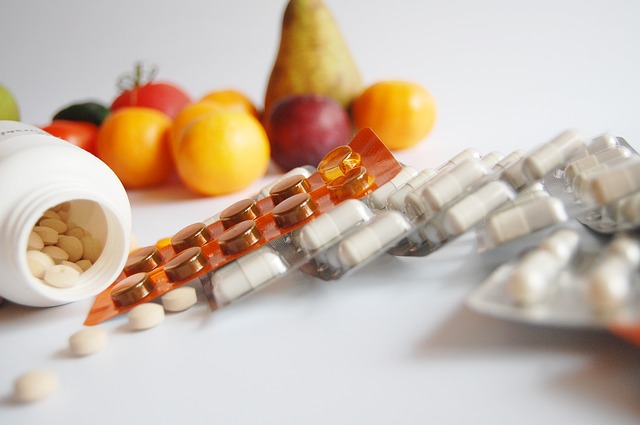
10 Top Supplement Tips
If you are taking a variety of nutritional dietary supplements, you may think that all supplements are 100 % safe, and the ‘more the merrier.’ Actually there are many issues that you should be aware of when choosing dietary supplements.
The BEST way to proceed it to seek supervision from a health care practitioner who is knowledgeable in natural remedies. They can offer you a blood test that analyses YOUR individual levels of important nutrients. Then you can make a science based decision about what you might actually be missing from your diet. You can then increase consumption of foods which contain the nutrients you need more of, and THEN consider using additional supplements appropriately. Life Extension Institute offers nutritional evaluation testing without a prescription from a health practitioner.
 Here are 10 Top Supplement Tips:
1. Supplement drug interactions: If you are taking any prescription drugs, its important to check with your physician before taking any supplements. For example, if you are taking coumadin, or any other blood thinner, and you ALSO take an herb such as ginger or ginkgo biloba, your blood may get too thin.
2. Too much calcium:Many people misinterpret the recommendation to take calcium. For example , if your doctor says you should get 1500 milligrams of calcium a day, that means that is the TOTAL amount you should take including foods- not the amount you need to take in a supplement.
3. Loaded with unhealthy fillers:
Many commercial brands of supplements actually contain fillers that are suspected of having harmful health effects. READ YOUR INGREDIENT LABEL- especially OTHER INGREDIENTS. If you see words such as Butylated Hydroxytoluene; FD&C Blue No. 2; FD&C Red No. 40 ; FD&C Yellow No. 6 ; Polysorbate 80; Sodium Benzoate; leave it on the shelf and choose another brand. You may need to visit your health food store to find supplements that do not contain these fillers.
4. Don’t take supplements 7 days a week:Natural health practitioners traditionally recommend that you get most of your essential nutrients from whole foods, rather than supplements. Allow your body a one day a week rest from supplements.
5. Unrealistic expectations:Many people run to purchase the ‘supplement of the day’ that is mentioned by TV “Gurus”. This often leads to unrealistic expectations. Supplements are meant to be part of an overall program of healthy eating, exercise and stress reduction, that can help with overall wellness over time. After the TV Guru’s endorsement, people expect to get immediate, overnight results simply from taking a pill, and will most likely be disappointed with the results.
6. Purchasing overpriced products through Multi Level Marketing Companies:
Products marketed through multi level marketing schemes are ALWAYS overpriced. You can regularly find similar products at ½ the cost (or less) at your local health food store. Look at the INGREDIENTS in the supplement fact box on the Multi Level product, and match it up to a similar formula.
7. Inferior FORM of specific nutrients:Become an educated health consumer and research the best form of each nutrient. For example, vitamin E comes in many forms. “dl tocopherol” is a chemical, while “mixed tocopherols” are naturally occurring as would be found in food.
8. Too much of a good thing -Megadosing on supplements:When it comes to supplements, just because a small amount may be good for you, taking more is not always better, and can be dangerous. Examples include Vitamin A in high amounts can cause birth defects if used during pregnancy, and Vitamin B 6 , if taken in doses higher than 250 mg per day, can cause neurological problems.
9. Relying on Supplements instead of healthy food.
The word ‘supplement’ means that these substances can help to ‘fill in’ if sufficient nutrition is not provided by the diet. However, pills cannot replace healthy food.
10. Taking supplements to ‘Loose Weight’ Although certain substances such as Green Tea and Glucomannon can help the body metabolize fat, there is still only ONE WAY to loose weight: take in less calories than you burn: that means healthy eating and exercise!
Ellen Kamhi PhD RN, The Natural Nurse® , www.naturalnurse.com, co-author of The Natural Medicine Chest , medical school instructor, radio host, provides medical consults in private practice.

Allergies- An Integrative Approach
Allergies are the 6th leading cause of illness in the United States. The National Institute of Health approximates the number of allergy sufferers at 40 to 50 million Americans, with a higher number that remains undiagnosed. [1] Yearly visits to physicians due to allergic symptoms is estimated at 17 million. [2] The overall prevalence of some forms of allergies, such as allergic rhinitis and atopic eczema, are increasing substantially. [3]
Genetic predisposition is clearly indicated in the development of allergies. There is a 40%-60% chance of developing allergies if both parents have allergies, 20%-40% if one parent is allergic, and 5%-15% if neither parent is affected. In addition to genetics, the development of allergies may to due to multi-factorial causes, which includes overexposure to particular substances that initiates an ‘overreaction’ response by the allergic individual’s immune system. Some theories of the increased rate of allergies is that it is due to a decrease in breastfeeding along with early introduction of potentially allergenic foods to an infant’s diet, [4] and high levels of air and water pollution. [5]
The term ‘allergy’ refers to a grouping of symptoms that affects different body systems. The allergic patient may experience symptoms in only one, or several body systems. People may experience allergies that are due to a wide array of antigens (triggering substances), such as foods, pollen, environmental particles, animal dander, dust mites, cigarette smoke, ingredients in soaps, newsprint, latex and almost anything else that a person may come into contact with. Although many of the antigens that provoke allergic reactions are proteins, many non-protein components can illicit allergic reactions, such as toluene diisocyanate found in dry cleaning fluid. [6] The following is a grouping of symptoms that are commonly associated with different body systems. Respiratory symptoms: stuffy/runny nose, sneezing, coughing, watery eyes, wheezing, recurring ear infections, tickling or sore throat, asthma. Integumentary symptoms: swelling of hands and feet, itchy, dry, red scaling skin patches, dark circles under the eyes, swollen tongue. Digestive symptoms: bloating, flatulence, diarrhea, constipation, weight loss or gain, burning anal and underarm rash, abdominal discomfort.
Allergic reactions are initiated by the immune system’s over- response to substances it deems as distinct from itself. Although well tolerated by most people, in the allergic person contact with the offending substance (antigen), is the basis of the hypersensitivity reaction. [7] Immunoglobulins are specific antibodies that have the responsibility of tracking down and destroying antigens that are recognized by the body. There are five different classes of antibodies, IgE, IgA, IgG, IgM, and IgD. Each of these specifically attack different categories of antigens. Every antibody is ‘antigen specific’, and is programmed to react to a specific kind of invader. In the case of allergies, these antibodies become overzealous, and begin to recognize substances that are usually benign, as if they were dangerous invaders. Once an antibody recognizes a suspected antigen, it attaches to it and forms an ‘antigen-antibody’ complex. This complex initiates the release of histamines and other chemicals that lead to inflammation, the common theme to all hypersensitivity reactions (allergies). The inflammatory response causes the release of chemical mediators, vasodilation, increased vascular permeability, edema and tissue damage. [8] Allergic reactions can range from a trivial annoyance such as an itchy rash and runny nose, to a fatal incident.
There are four different classes of allergic reactions: Type I (Immediate Hypersensitivity Reactions), Type II (Cytotoxic Reactions), Type III(Immune Complex Mediated Reactions) and Type IV(Cell Dependent Reactions). [9] Type I reactions occur almost immediately after exposure to an antigen, and range from a temporary outbreak of hives, skin rash, headache, GI symptoms, rhinitis, and asthma-like symptoms, to fatal Anaphylactic shock characterized by difficulty breathing, closing of the throat, decreased blood pressure, tachycardia, seizures and loss of consciousness. The symptoms can be local or systemic, depending on the port of entry of the antigen. [10] IgE immunoglobulins are widely believed to be responsible for Type I reactions. However, recent studies report that IgG, previously thought to only be involved with DELAYED reactions, may also be involved in the initiation of Type I reactions. [11] [12] [13] [14] This evidence supports complementary health care practitioners, who have been regularly testing patients for both IgE AND IgG mediated reactions for decades, although most conventional physicians still disregard IgG testing.
Type II- Type IV reactions are referred to as DELAYED reactions, since they can occur 24- 72 hours after encountering the offending substance. They involve IgG, and to some degree IgM, although many allergic reactions do not involve any antigen-antibody complex, but are due to the direct release of histamines and other inflammatory compounds by mast cells and other white blood cells.
Food allergies are widespread, and remain an under-diagnosed phenomena. Delayed food allergies are often the culprit behind eczema, difficulty concentrating, recurrent ear infections, chronic rhinitis and immunodeficiency in both children and adults. [15] Severe reactions to common allergens such as milk, egg, peanut and sesame are on the rise. The threshold needed to trigger a severe reaction can be as low as a molecular amount. [16] Pharmacists can advocate for patients by suggesting that they see a physician who regularly performs both IgG and IgE testing to search for food sensitivities. In addition, pharmacists can instruct clients in keeping a food diary, and practicing avoidance and re-introduction of specific foods, in an attempt to track down offending substances.
Conventional medical treatment of allergies involves the use of a variety of pharmaceutical agents that are mainly focused on the reduction of symptoms. These include antihistamines that stop histamine release, decongestants to constrict the mucous membranes and decrease secretions, cromolyn sodium that interferes with the mast cell release of inflammatory chemicals, and steroidal inhalants. Drug therapies can be useful for acute symptom relief, but do not address the underlying cause of allergies, and often have a variety of adverse effects including insomnia, nervousness, irritability, dry mouth, constipation, urinary retention, rapid heartbeat, blurred vision, drowsiness and dependency.
Naturally oriented practitioners take a different approach. The first line of defense for the allergic individual is to address diet and lifestyle issues. HEPA air filters reduce exposure to mold, pollen, dust mites and dander. Neti pots, small ‘tea-pot’ like devices, are excellent to use as saline irrigators. This removes particle allergens from sensitive mucous membranes, and has been shown to decrease the inflammatory mediators histamine and leukotriene C-4. [17] Pharmacists can recommend the use of air filters and Neti Pots to their clients. The allergic person must avoid foods discovered to initiate an allergic response, while increasing the consumption of anti-inflammatory foods, such as cold water fish, Omega 3 oils, and dark green leafy vegetables. One study examined how the consumption of ALA (alpha-linolenic acid), effects the level of C- reactive protein(CRP), a known marker for inflammation, and found that dietary supplementation with ALA for 3 months significantly decreased CRP. [18] Eliminating food allergens ALSO tends to decrease sensitivity to inhalant allergens. The authors have had numerous clinical reports from patients with seasonal inhalant allergies, who were able to get through their previous ‘allergy season’ without the use of any medications, after removing common foods such as wheat and dairy from their diet. This makes sense, because many grains are in the grass family and cross react with other grass species. Several studies have documented cases of cross reactivity between food and pollen antigens. [19] Stress reduction, through techniques such as meditation and yoga, can help to decrease the frequency and intensity of allergic reactions. Endogenous serum cortisol acts as a natural anti-inflammatory mediator. Stress reduces serum cortisol, which leads to increased inflammation. [20]
Nutritional supplements such as vitamin C (500- 1000 mg) and magnesium (400 mg) have shown promise in clinical studies involving asthma patients, and may also be useful for allergies. [21] Other herbs and natural remedies can also be helpful.
Quercetin
Quercetin is an active bioflavonoid found abundantly in plants, including evening primrose leaf, onion and green tea. It is a strong inhibitor of basophil and mast cell degranulation. [22] Degranulation of mast cells is an active process that requires the influx of calcium, along with an increase in cAMP(adenosine monophospate). This activity leads to phosphorylation of the membrane around mast cell granules, which renders them permeable to water and calcium. The mast cell uses calcium-activated enzymes to assemble contractile microtubules, which pulls the granules towards the cell membrane, where the inflammatory contents are spilled outside the cell, unleashing an allergic reaction. [23] Quercetin prevents calcium from influxing into the cell. [24] Secondary mediators of inflammation, such as arachidonic acid metabolites, are released outside the cell via the action of the enzyme phospholipase A2. (Steroids act as anti-inflammatory agents due to their ability to inhibit phospholipase A-2.) Quercitin inhibits many steps along the eicosanoid membrane pathway, including phospholipase A2 and lipoxygenase. [25] Quercetin taken along with vitamin C has been reported to reduce hay fever symptoms. [26] The authors have used quercetin clinically for a number of pathological processes, including inhalant allergies, food allergies, atopic dermatitis, chronic sinusitis, bronchitis, asthma, serous otitis media reoccurrences, and ITP. Recommended dosage: 500 -1000 mg three times a day on an empty stomach as a capsule, tablet or nasal spray. Cautions: Quercitin may raise levels of estradiol and should be used with caution with hormone intervention. [27] Quercetin may inhibit the activity of enzymes that break down Felodipine into an inactive form, thereby raising blood levels of Felodipine. [28]
Baikal Skullcap Root (Scutellaria baicalensis)
The root of the Chinese Skullcap, Radix Scutellaria baicalensis, called Huang Qin in traditional Chinese Medicine, has been used for thousands of years, especially for inflammation and high fevers. It contains the flavonoids baicalin and wogonin, well researched for their anti-allergy and free radical scavenging properties. [29] [30] These components are similar in structure and mechanism of action to Quercetin. [31] Another component of Scutellaria, baicalein, has even a stronger anti-inflammatory and anti-allergic effect, specifically reducing leukotriene B4 and C4 production by inhibiting lipoxygenase. [32] The dose is typically 2-6g/day of the dried root or 4 to 12 ml per day of a 1:2 fluid extract. Cautions: No specific adverse reactions have been reported. However, due to structural similarity to quercetin similar cautions may apply.
Nettles (Urtica dioica)
Stinging Nettles is a common plant found in damp waste areas around the United States and Europe. Touching the stingers on the nettle plant, causes an allergic reaction, probably due to the formic acid found in the stingers which initiates a localized histamine release. Traditional herbalists have historically recommended the juice of the nettle as an antidote to the rash caused by the nettle stinger, as well as the prophylactic use of nettle tea for spring allergies. In addition, the homeopathic remedy made from nettle,Urtica, is successfully used for hives and other allergic skin irritations. One preliminary study found that freeze dried nettles were helpful for symptoms of allergic rhinitis. [33] The authors have also encouraged the use of nettle herb for allergic patients, with favorable results. Typical dosage is 600 mg dried herb or 2-4 ml per day of fluid extract in divided doses. Cautions: may occasionally cause mild gastrointestinal irritation when used internally.
Mimosa (Albizzia lebbeck, Albizzia kalkora)
Albizzia is a member of the mimosa family that has been used in Ayurvedic practice for asthma and dermatitis, and as a sedative in Traditional Chinese Medicine. Several studies were performed on a bark extract of this plant, which showed advantageous actions against allergic symptoms, including anaphylaxis, [34] atopic allergy [35] and gastrointestinal allergic symptoms such as diarrhea. [36] Albizzia has been shown to stabilize mast cell degranulation , depress levels of anti-allergy antibodies, and decrease the overaggressive action of T and B lymphocytes. A therapeutic dose of Albezzia is 3-6 ml/day of the 1:2 extract. [37]Cautions: No adverse reactions have been reported.
Coleus (Coleus forskohlii )
Coleus is a member of the mint family, and grows wild in Thailand , India and other areas. It has been used in traditional Ayurvedic medicine for allergic symptoms such as bronchitis and breathing difficulties. [38] In 1974 Hoechst Pharmaceuticals, along with the Indian Central Drug Research Institute, conducted studies on Coleus extract and found that it had muscle relaxant and antihypertensive effects. The active constituent forskolin, extracted from the root of Coleus forskohlii , has been found to increase Cyclic AMP [39] [40] , which causes bronchial relaxation. Forskolin has the added advantage of being receptor independent, which avoids the desensitization caused by the repeated use of B-adrenergic agonist pharmaceuticals. [41] Forskolin also inhibits the release of histamine from basophils, which decreases the allergic response. [42] The recommended dosage of Coleus is 50 mg 2 times a day of an extract standardized to contain 18% forskolin. Cautions: Coleus may lower blood pressure.
- American Academy of Allergy, Asthma and Immunology (AAAAI). The Allergy Report: Science Based Findings on the Diagnosis & Treatment of Allergic Disorders, 1996-2001.
- CDC. Fast Stats A-Z, Vital and Health Statistics, Series 10, no. 13. 1999
- The International Study of Asthma and Allergies in Childhood (ISAAC) Steering Committee. “Worldwide variation in prevalence of symptoms of asthma, allergic rhinoconjunctivitis, and atopic eczema: ISAAC.” Lancet 351: 1225-32. 1998.
- van Odijk J, Kull I, Borres MP, et al., Breastfeeding and allergic disease: a multidisciplinary review of the literature (1966-2001) on the mode of early feeding in infancy and its impact on later atopic manifestations., Allergy. 2003 Sep;58(9):833-43.
- Levetin E, Van de Water P. , Environmental contributions to allergic disease. Curr Allergy Asthma Rep. 2001 Nov;1(6):506-14
- Rea, William J. Chemical Sensitivity: Volume 1 Chapter 2 Lewis Publishers/ CRC press, Boca Raton, FL pg 8
- Robbins, Cotran, & Kumar. Pathologic Basis of Disease,3rd Edition; Hypersensitivity reactions W.B. Saunders, Philadelphia, PA, 1984, pg 163.
- Suen, Raymond & Gordan, Shalima; A Critical Review of IgG Immunoglobulins and Food Allergy-Implications in Systemic Health ;A Paper by US BioTek Labs, Seattle, WA, 2003, page 1.
- Murray, Michael; Pizzorno, Joseph. Encyclopedia of Natural Medicine, Prima Publishers, Rocklin, CA., 1998, p. 467-468
- Robbins, Cotran, & Kumar. Pathologic Basis of Disease,3rd Edition; Hypersensitivity reactions W.B. Saunders, Philadelpia, PA, 1984, pg 164.
- Tkaczyk, C., Okayama Y., Woolhisser, M.R., et al; Activation of Human Mast Cells through the High Affinity IgG Receptor. Mol Immunol, 38(16-18):1289, 2002.
- Okayama, T., Hagaman, D., Metcalfe, D. ; A Comparison of Mediators Released or Generated by IFN-Gamma-Treated Human Mast Cells Following Aggregation of Fcgamma RI or F Cepsilon RI.J. Immunology 166(7):4705-12, 2001
- Parish, WE: Short term Anaphylactic IgG Antibodies in Human Sera. Lancet, 2:591, 1970.
- Pepys.,J et al: Clinical Correlations Between Long-Term (IgE) and Short Term (IgG S-TS) Anaphylactic Antibodies in Atopic and “Non-Atopic Subjects with Respiratory Allergic Disease. Clin. Allergy, 9:645, 1979
- Latcham F, Merino F, Lang A A consistent pattern of minor immunodeficiency and subtle enteropathy in children with multiple food allergy. J Pediatr. 2003 Jul;143(1):39-47.
- Morisset M, Moneret-Vautrin D, Kanny G, et al. Thresholds of clinical reactivity to milk, egg, peanut and sesame in immunoglobulin E-dependent allergies: evaluation by double-blind or single-blind placebo-controlled oral challenges. Clin Exp Allergy. 2003 Aug;33(8):1046-1051
- Georgitis J.W., Nasal typerthermia and simple irrigation for perennial rhinitis: changes in inflammatory mediators. Chest1994:106;1487-92
- Rallidis LS, Paschos G, Liakos GK. Dietary alpha-linolenic acid decreases C-reactive protein, serum amyloid A and interleukin-6 in dyslipidaemic patients., Atherosclerosis. 2003 Apr;167(2):237-42.
- Enrique E, Cistero-Bahima A, Bartolome B, et al. Platanus acerifolia pollinosis and food allergy. Allergy. 2002 Apr;57(4):351-6
- Laube BL, Curbow BA, Costello RW, et. al. A pilot study examining the relationship between stress and serum cortisol concentrations in women with asthma. Respir Med. 2002 Oct;96(10):823-8
- R. Jaber, Respiratory and allergic diseases: from upper respiratory tract infections to asthma. Prim Care Clin Office Prac29(2002) 231-61
- M. Amellal, C. Bronner,F. Briancon et al. Inhibition of Mast Cell Histamine Release by Flavonoids and BioFlavonoids. Planta Medica, 51:16-20, 1985.
- Robbins S.,Cotran,S, and Kumar, V. Pathological Basis of Disease 3rd edition. WB Saunders Company Philadelphia, PA, pg 164-65.
- Nishino, H., Naitoh, E. Iwashima, A et al. Quercetin interacts with calmodulin, (a calcium regulatory protein) Experentia 40:184-5, 1984.
- Yoshimoto, T.,Furukawa M. Yamamoto., S. et al.;Flavonoids: Potent inhibitors of arachidonate 5-lipoxygenase. Biochem Biophys Res Common 116:612-8, 1983.
- Middleton E, Drzewicki G. Effect of ascorbic acid and flavonoids on human basophil release. J Allerg Clin Immunol. Jan1992:278.
- Schubert W, Eriksson U, Edgar B, et al. Flavonoids in grapefruit juice inhibit the in vitro hepatic metabolism of 17 beta-estradiol. Eur J Drug Metab Pharmacokinet 1995;3:219–24.
- Miniscalco A, Lundahl J, Regardh CG. Inhibition of dihydropyridine metabolism in rat and human liver microsomes by flavonoids found in grapefruit juice. J Pharmacol Exp Ther 1992;261:1195–9.
- Bochorakova H, Paulova H, Slanina J, et al. Main flavonoids in the root of Scutellaria baicalensis cultivated in Europe and their comparative antiradical properties. Phytother Res. 2003 Jun;17(6):640-4
- Lin CC., Shieh DE., The anti-inflammatory activity of Scutellaria rivularis extracts and its active components, baicalin, baicalein and wogonin. American Journal of Chinese Medicine 1996;24(1):31-6
- Bone, Kerry: Clinical Applications of Ayurvedic and Chinese Herbs-Monographs for the Western Herbal Practitioner , Phytotherapy Press, Warwick, Queensland Australia (1996) pp 75-79.
- Chang, HM :Pharmacology and Applications of Chinese Materia Medica, Vol 2, World Scientific, Singapore (1987)
- Mittman P. Randomized,double-blind study of freeze-dried Urtica dioica in the treatment of allergic rhinitis. Planta Medica 56:44-7, 1990
- Tripathi RM, Sen PC, Das PK Further studies on the mechanism of the anti-anaphylactic action of Albizzia lebbeck, an Indian indigenous drug. J Ethnopharmacol. 1979 Dec;1(4):397-400.
- Tripathi RM, Sen PC, Das PK Studies on the mechanism of action of Albizzia lebbeck, an Indian indigenous drug used in the treatment of atopic allergy. J Ethnopharmacol. 1979 Dec;1(4):385-96.
- Besra SE, Gomes A, Chaudhury L Antidiarrhoeal activity of seed extract of Albizzia lebbeck Benth. Phytother Res. 2002 Sep;16(6):529-33.
- Bone, Kerry: Clinical Applications of Ayurvedic and Chinese Herbs-Monographs for the Western Herbal Practitioner, Phytotherapy Press, Warwick, Queensland Australia (1996) pp 94
- Abraham, Z. (1981) Glimpses of Indian Ethnobotany (S.K. Jain, ed) p 315. Oxford and IBM Publishing Co., Bombay, India
- Seamon KB, Daly JW. Forskolin: a unique diterpene activator of cAMP-generating systems. J Cyclic Nucleotide Res. 1981;7:201–224
- Laurenza A, Sutkowski EM, Seamon KB. Forskolin: a specific stimulator of adenylyl cyclase or a diterpene with multiple sites of action? Trends Pharmacol Sci. 1989;10:442–447
- Robbers, James E., Marilyn K. Speedie, and Varro E. Tyler. 1996. Pharmacognosy and Pharmacobiotechnology. P 88. Williams & Wilkins. ISBN: 0-683-08500-X.
- Marone G, Columbo M, Triggiani S, et al. Forskolin inhibits the release of histamine from human basophils and mast cells.Agents Actions. 1986;18:96–99.
Ellen Kamhi , The Natural Nurse®, (www.naturalnurse.com) and Eugene Zampieron (www.drznaturally.com) are the authors ofThe Natural Medicine Chest and Arthritis, The Alternative Medicine Guide. Dr. Zampieron is a Professor of Botanical Medicine at Bridgeport College of Naturopathic Medicine and Ellen Kamhi is a Professional Herbalist with Nature’s Answer in Hauppauge, NY.