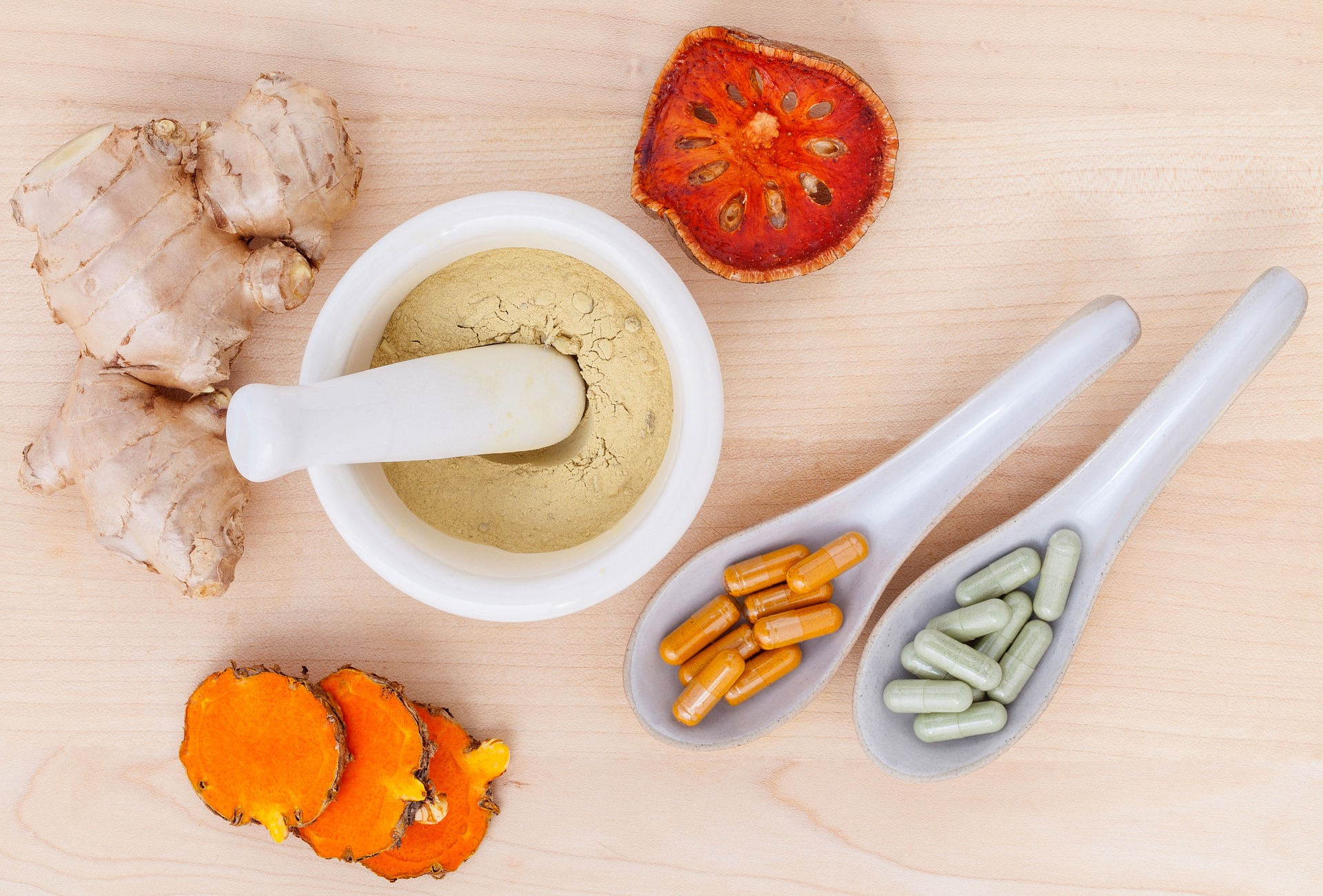
If you are taking a variety of nutritional dietary supplements, you may think that all supplements are 100 % safe, and the ‘more the merrier.’ Actually there are many issues that you should be aware of when choosing dietary supplements.
The BEST way to proceed it to seek supervision from a health care practitioner who is knowledgeable in natural remedies. They can offer you a blood test that analyses YOUR individual levels of important nutrients. Then you can make a science based decision about what you might actually be missing from your diet. You can then increase consumption of foods which contain the nutrients you need more of, and THEN consider using additional supplements appropriately. Life Extension Institute offers nutritional evaluation testing without a prescription from a health practitioner.
 Here are 10 Top Supplement Tips:
1. Supplement drug interactions: If you are taking any prescription drugs, its important to check with your physician before taking any supplements. For example, if you are taking coumadin, or any other blood thinner, and you ALSO take an herb such as ginger or ginkgo biloba, your blood may get too thin.
2. Too much calcium:Many people misinterpret the recommendation to take calcium. For example , if your doctor says you should get 1500 milligrams of calcium a day, that means that is the TOTAL amount you should take including foods- not the amount you need to take in a supplement.
3. Loaded with unhealthy fillers:
Many commercial brands of supplements actually contain fillers that are suspected of having harmful health effects. READ YOUR INGREDIENT LABEL- especially OTHER INGREDIENTS. If you see words such as Butylated Hydroxytoluene; FD&C Blue No. 2; FD&C Red No. 40 ; FD&C Yellow No. 6 ; Polysorbate 80; Sodium Benzoate; leave it on the shelf and choose another brand. You may need to visit your health food store to find supplements that do not contain these fillers.
4. Don’t take supplements 7 days a week:Natural health practitioners traditionally recommend that you get most of your essential nutrients from whole foods, rather than supplements. Allow your body a one day a week rest from supplements.
5. Unrealistic expectations:Many people run to purchase the ‘supplement of the day’ that is mentioned by TV “Gurus”. This often leads to unrealistic expectations. Supplements are meant to be part of an overall program of healthy eating, exercise and stress reduction, that can help with overall wellness over time. After the TV Guru’s endorsement, people expect to get immediate, overnight results simply from taking a pill, and will most likely be disappointed with the results.
6. Purchasing overpriced products through Multi Level Marketing Companies:
Products marketed through multi level marketing schemes are ALWAYS overpriced. You can regularly find similar products at ½ the cost (or less) at your local health food store. Look at the INGREDIENTS in the supplement fact box on the Multi Level product, and match it up to a similar formula.
7. Inferior FORM of specific nutrients:Become an educated health consumer and research the best form of each nutrient. For example, vitamin E comes in many forms. “dl tocopherol” is a chemical, while “mixed tocopherols” are naturally occurring as would be found in food.
8. Too much of a good thing -Megadosing on supplements:When it comes to supplements, just because a small amount may be good for you, taking more is not always better, and can be dangerous. Examples include Vitamin A in high amounts can cause birth defects if used during pregnancy, and Vitamin B 6 , if taken in doses higher than 250 mg per day, can cause neurological problems.
9. Relying on Supplements instead of healthy food.
The word ‘supplement’ means that these substances can help to ‘fill in’ if sufficient nutrition is not provided by the diet. However, pills cannot replace healthy food.
10. Taking supplements to ‘Loose Weight’ Although certain substances such as Green Tea and Glucomannon can help the body metabolize fat, there is still only ONE WAY to loose weight: take in less calories than you burn: that means healthy eating and exercise!
Ellen Kamhi PhD RN, The Natural Nurse® , www.naturalnurse.com, co-author of The Natural Medicine Chest , medical school instructor, radio host, provides medical consults in private practice.