Host Ellen Kamhi, PhD RN, interviews Dr, Allan Dattner, MD about natural skin care.
Who is Dr. Allan Dattner, MD?
Alan M. Dattner, MD has been a pioneer for over 30 years in integrating nutrition, dermatology, Applied Kinesiology, and Holistic Medicine into the practice of dermatology. He is a founding member of the American Academy of Dermatology’s groundbreaking Task Force for Nutrition and Evaluation of Alternative Medicine, and is a board-certified dermatologist.
Dr. Dattner has written a number of scientific articles on nutrition and herbal medicine in dermatology. He has lectured locally, nationally and internationally to both dermatology and CAM organizations, and has been quoted in numerous popular magazines and The New York Times. He has a strong background in research methodology and 47 years of experience in the science of cellular immunology. More specifically, he elucidated key concepts linking environmental factors to inflammatory disease, during 3 years of investigation of human lymphocyte recognition at the National Cancer Institute . Results of this work are published in peer review journals and were presented by Dr. Dattner at plenary sessions of the Society of Investigative Dermatology.
On today’s show, we discuss Dr. Alan Dattner’s new book, Radiant Skin from the Inside Out: The Holistic Dermatologist’s Guide to Natural Skincare Learn the holistic skin secrets this dermatologist has discovered over the past 30 years that will help you clear your skin and restore balance naturally.
To listen to the interview, click the player below. If you have any questions, comments, or suggestion, please use the comment section under this post or contact Ellen Kamhi here.
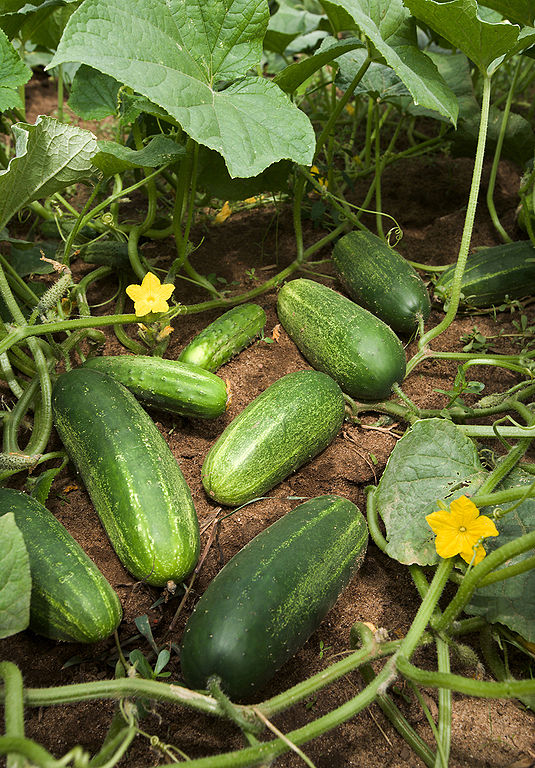
Cucumbers have a long history of use as both a food and healing plant. Scientists agree that this fruit originated in India, and has been grown by humans as a cultivated plant for at least 3000 years. Are you surprised to see cucumbers referred to as a fruit? The truth is, that it actually IS a fruit, just like tomatoes, since “Fruit” is the part of the plant that contains the seeds- although, both tomatoes and cucumbers are often thought of as vegetables. Cucumbers have been grown in the United States since the 16 th century, quite possible as a result of Christopher Columbus bringing cucumbers to Haiti in 1494. Cucumbers are mentioned in the Bible in Numbers 11:5, as a food that was available to the Isrealites in Egypt. Other foods mentioned along with cucumbers are leeks, onions, melons and garlic, so it might be fun to put all of these together in a delicious, nutritious biblical salad! Some early medicinal uses of cucumber include treating insect bites and eye problems. That’s interesting because to this day, putting cucumber slices over the eyes is a well recognized cooling and relaxing spa treatment that can be easily and inexpensively used at home! An interesting fertility ritual included tying a cucumber around the waist to help induce pregnancy. It does not take a giant leap of visualization to see how cucumber can be a phallic symbol!
Today, cucumbers have been scientifically studied to determine the nutrients that they contain. Cucumbers are high in silica, which is an essential mineral that is part of the skin, ligaments, bones, muscles and cartilage tissue. In addition to silica, cucumbers are also a rich source of Vitamin C, magnesium and potassium. Cucumbers contain specific phytonutrients known as cucurbitacins. This family of nutrients are under scientific investigation for their role as cancer cell signaling pathway inhibitors. This can help the body offset the development of cancer. Cucumbers also contain compounds such as secoisolariciresinol, pinoresinol and lariciresinol, which are known as lignans. Lignans may offer the body defensive mechanisms against prostate, ovarian and breast cancer, as well as cardiovascular health issues.
Cucumbers are included in many topical preparations. They contain nutrients such as naturally occurring ascorbic acid and caffeic acid, which aids in decreasing swelling due to water retention, by drawing out excess fluids. It can also offset the inflammation associated with sunburn and other skin irritations.
Since Cucumbers are grown by conventional methods they may be sprayed with a variety of toxic chemicals, such as pesticides. The BEST thing to do is grow your own, if possible. If bugs are an issue, make a strong garlic tea and spray the plants for nontoxic pest control. If you cannot grow your own, choose ORGANIC at your local health food market, or visit a local Farmers Market or Farm Stand and ask if the vegetables are sprayed. If you can only get commercial cucumbers, peel them well, since some of the pesticide residue will remain on the waxy covering, rather than the soft inner part.
If you make your own vegetable juice- highly recommended in any optimum wellness program- cucumbers are great! They make the juice making process go faster, since each cucumber contains a lot of water and makes a lot of juice! Also, the alkaline pH of cucumber juice is great to help with detoxification.
Try this delicious and nutritious Natural Nurse® Cucumber Salad-
Cut up one peeled cucumber and mix with diced tomato and red onion. Add chopped cilantro and sprinkle with lemon juice and a splash of apple cider vinegar- great healthy snack or side dish!
Ellen Kamhi PhD RN, The Natural Nurse®, can be heard on radio daily. She is the author of several books, including THE NATURAL MEDICINE CHEST. Dr. Kamhi has been involved in natural health care for over 4 decades. She is available for consultations. www.naturalnurse.com 954-418-2388
By James Heilman, MD (Own work) [CC BY-SA 3.0 or GFDL], via Wikimedia CommonsSkin ailments, such as Acne, or other skin issues afflicts as many as 70 million people. Although acne occurs most often during the teenage years, adults can experience it as well. Skin outbreaks can occur on the face, back, chest, shoulders and neck.
There are several root causes of skin outbreaks, including overproduction of oil, irregular shedding of skin cells, buildup of bacteria, stress and liver toxicity often caused by prescription pharmaceuticals.
Changes in hormone levels also cause skin problems, which is often seen around puberty, but also in the golden years when hormone levels are once again in flux. Hormones regulate the activity of the sebaceous glands, which is located at the base of the hair follicle. The sebaceous glands produce an oily substance called “sebum”. Under
normal conditions, “sebum” combines with keratinous cells, traveling along the hair follicle to the surface of the skin. Acne occurs when the flow of sebum is restricted, leading to a build-up of sebum and cell debris, which contribute to the growth of bacteria.
There are many natural topical therapies for addressing skin conditions. Most treatments are designed to reduce surface sebum: Facial cleansing using mild surface
active agents including exfoliants ( almond seed) , digesters( papaya enzymes), anti-inflammatory ( white willow) and anti-bacterial ( oil of oregano) ingredients are useful.
Natural protocols for healthy skin recognize the interplay between spiritual, physical and emotional factors that all play a part in the cause and treatment of this condition. Although conventional medicine does not recognize the role that diet and food allergies have in skin conditions, natural healers believe there is a direct correlation.
It is wise to focus on a diet low in milk products, wheat and animal fat, and high in organic leafy green vegetables, whole grains, and Omega-3 oils, such as flaxseed and hemp oils. Herbal remedies for skin care fall under the category of herbs known as “Alteratives”. The Eclectic doctors at the turn of the century referred to Alteratives as ‘Blood and Lymphatic cleansers. ‘ Alteratives are non-toxic herbs which assist the organs of detoxification and elimination (liver, bowels, kidneys, skin, lungs, and connective tissue, by removing deleterious substances such as environmental toxins as well as those generated internally by the body.
Many botanicals have been historically used for helping to promote clean and healthy skin.
Arnica Flower (Arnica montana) is an emollient and contains
sesquiterpene lactones, the chemical constituents responsible for the herb’s anti-inflammatory properties. Arnica is helpful for promoting healing and reducing general skin irritations.
Burdock Root (Arctium lappa) root is commonly used in herbal steams and poultices. It is helpful for treating blemishes and reducing scaly skin.
Chamomile Flower(Chamomilla recutita) is well-recognized for its anti-inflammatory properties. Herbal steams and poultices help reduce puffiness, cleanse pores of impurities and abscesses and both strengthens and heals tissues, naturally.
Dandelion (Taraxacum officinale) is a mild potassium sparing diuretic, that helps the detoxification organs, such as the liver and the kidneys. When these organs are functioning optimally, it enhances the clarity of the skin.
Echinacea(Echinacea angustifolia, Echinacea purpurea) has been recognized for its healing actions. It is also a natural anti-inflammatory. Key chemical constituents responsible forthe herb’s healing actions include glycosides, eichloric acid,
chlorogenic acid, isobutylamines, alkylamides, phytosterols and sesquiterpene esters.
Goldenseal Root(Hydrastis Canadensis) is a native American medicinal herb introduced to the early settlers by the Cherokee Indians, who used it as a natural “wash” for the skin. The active chemical constituents, hydrastine and berberine
deliver antibacterial support.
Lemon Peel is high in natural bioflavonoids which enhance healthy skin cell growth, and also has mild astringent properties. It refreshes the skin and tightens pores.
Witch Hazel (Hamamelis virginiana)is used in herbal steams and poultices for addressing inflamed or swollen skin. It is also applied to red veins on the neck and face. Witch Hazel is styptic and contains natural cleansing properties; an exceptional astringent.
Incorporate healthy fats into your diet to increase the strength and health of skin membranes. These include avocado and Coconut Oil. Choose unrefined, organic coconut oil in a glass jar. This is readily available at most health food stores. Take 1-2 tablespoons a day of the coconut oil, or allow it to melt on steamed vegetables for a healthy coconut flavoring. Also apply the coconut oil directly to the skin for increased strength and to offset dry skin.
Ellen Kamhi PhD RN, The Natural Nurse®, can be heard on radio daily. She is the author of several books, including The Natural Medicine Chest.. Dr. Kamhi has been involved in natural health care for over 4 decades. She is available for group presentations, and has a consultation private practice. 954-418-2388
Every generation is interested in looking their best. Baby boomers, along with 20 and 30 year olds enjoy retaining their youthful appearance. Exotic fruits are very hot in the cosmetic industry right now. These fruits contain high antioxidant levels, are extremely popular and contain numerous anti aging benefits. Many of these ingredients are also being used in nutritional drinks. Super Fruit Blends may also be combined with herbs such as Green Tea in many skin care product that contains green tea and exotic fruits.
Antioxidants are a group of naturally occurring vitamins, minerals and enzymes found in plant foods. These vital substances help to protect our cells from free radicals, the culprits responsible for causing damage to cells, including skin cells. Free radicals are groups of unstable atoms looking to obtain electrons in order to become stable. They can pull electrons off cell membranes, unleashing a vicious cycle of cell destruction, known as a “free radical cascade.” In addition to causing various diseases, free radical damage activates an enzyme called metalloproteinase which breaks down collagen and cell membranes, leading to aging and illness. Luckily there are literally thousands of antioxidants from natural sources to help us win the “free radical battle”.
Antioxidants are often incorporated in all types of skin care products, such as day creams, night creams, foundations, lip products, moisturizers, SPF products, bath, hair care and acne products.
While antioxidants have been around forever, they are now getting a lot more attention. Consumers today are reading labels and they are looking for products with ingredients that sound familiar, rather than a host of strange chemicals. Antioxidants occur naturally in a large number of botanicals and they are being used in cosmetic and personal care products. Consumers are correctly associating the presence of these naturally occurring antioxidants with healthy skin.
The trend towards natural products has been increasing every year. We have seen a large increase in the use and demand for botanical extracts in foods and supplements. Baby boomers spend billions each year in an effort to look youthful and healthy. Technology and science are now validating the folkloric and traditional use of natural fruits and vegetables to enhance health and beauty.
Recently a test method called ORAC has been developed to measure the antioxidant potency of skin care products. Although many folks are still unaware of ORAC testing, the ORAC value is becoming an important evaluation in terms of the antioxidant level in foods, cosmetics and other skin care products. ORAC stands for “Oxygen Radical Absorbance Capacity”. ORAC describes a laboratory analysis of the antioxidant activity against various free radicals, such as the peroxyl radical, which is one of the most common reactive oxygen species(ROS) that cause damage to cell membranes in the body. ORAC measures the ability of substances to neutralize this free radical. The greater the amount of free radicals a nutrient or product can combat, the higher its ORAC score. This standard was developed in a collaborated effort by the National Institute on Aging and the USDA Human Nutrition Research Center on Aging . People who are knowledgably about the meaning of ORAC become more interested in this measurement value. Some fruits with highest ORAC scoring value include Acai, Mangosteen and Goji, along with Green Tea. Here is some information about these fruits:
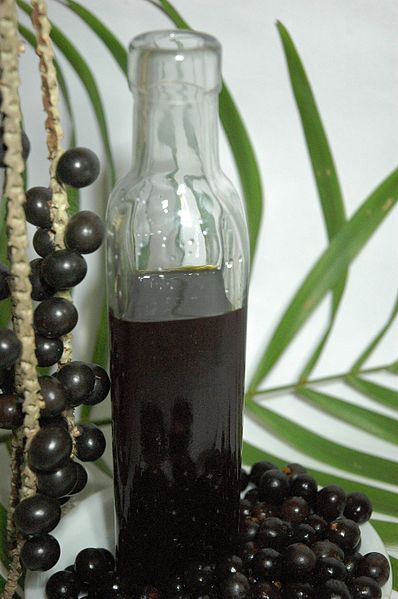
By P. S. Sena (Own work) [CC BY-SA 4.0], via Wikimedia CommonsACAI Berry– Brazil-high concentration of antioxidants:Vitamin C, E, B1, B2,B3, Fe, K, Ph, Ca, Omega 3’s
Mangosteen– Asia- “queen of the fruit” -antioxidants such as mangostin.
Goji Berry– Asia-wolfberry, polysaccharides, that ‘amplify signals’ between cells, and improve immune defense.
Pomegranate– Middle East-Vitamin C, potassium, polyphenols and a host of other beneficial antioxidants
Red Coffee Fruit– Central America- high in bioflavonoids, Vitamin C and other antioxidants
Muscadine Grape– Southeastern US, resveratrol and anthocyanidins, with powerful free radical scavengers
Blueberries– US, Europe-phytonutrients including Vitamin C, Phenolics, Anthocyanins
When choosing skin care products, take some time to read the ingredients. The exotic fruits listed above can enhance the antioxidant activity of the product, and provide additional support for skin health. Be sure to read ‘other ingredients’ and avoid products that feature a long paragraph list of chemicals.
Ellen Kamhi, PhD, RN is the author of The Natural Medicine Chest. She offers individual consultations
Contact Dr. Kamhi at 800-820-018
 Alan M. Dattner, MD has been a pioneer for over 30 years in integrating nutrition, dermatology, Applied Kinesiology, and Holistic Medicine into the practice of dermatology. He is a founding member of the American Academy of Dermatology’s groundbreaking Task Force for Nutrition and Evaluation of Alternative Medicine, and is a board-certified dermatologist.
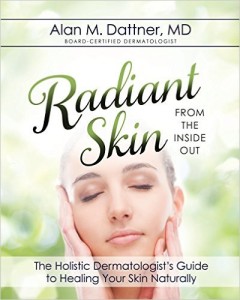 On today’s show, we discuss Dr. Alan Dattner’s new book, Radiant Skin from the Inside Out: The Holistic Dermatologist’s Guide to Natural Skincare Learn the holistic skin secrets this dermatologist has discovered over the past 30 years that will help you clear your skin and restore balance naturally.