Quoted in Kiwi Magazine: “Make Over Your Medicine Cabinet”

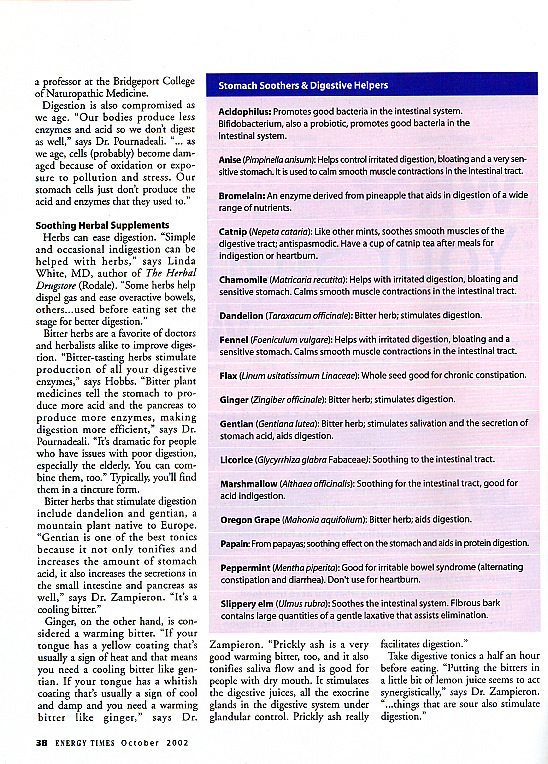
Ellen Kamhi PhD, RN, has written a number of books and contributed articles to numerous publications (magazines and newspapers). Recently, she was quoted in the Kiwi Magazine on how to use natural products to make over your medicine cabinet. To read the full article, click the image below. Dr. Kamhi discusses how Sambucus Elderberry helps discourage viruses, how to use fennel as a tummy tonic, and more.. along with great information from other health experts.

Make_Over_Your_Medicine_Cabinet_KIWI_magazine_-_2015-12-08_15.51.55If you have any questions and would like to have a private consult with Dr. Kamhi, please contact her here.

THEANINE- Relaxation without getting Drowsy!

THEANINE- Relaxation without getting Drowsy!

Ellen Kamhi , PhD, RN, AHG, AHN-BC

Getting a good night’s sleep is challenging for many individuals. There are substances in nature that can help with rest and relaxation, without the harsh side effects that may be experienced with pharmaceutical drugs.

As scientific evaluations continue on assessing the therapeutic effects of natural remedies, there is more information available about specific natural compounds that can be useful for overall health, as well as helping with sleep. One of these compounds is called L-theanine.

L-theanine is an amino acid that is found in tea leaves. Tea leaves are from a specific plant known as Camellia Sinensis. The leaves of this plant are picked and then processed in different ways to create both Green tea and Black tea. L-theanine can also be extracted from some species of medicinal mushrooms.

Scientists have been investigating the mechanism of action of how L-theanine might be helpful to support relaxation. This substance has the ability to increase GABA (Gaba Amino Benzoic Acid), which is an important natural chemical that helps the body attain a state of relaxation. GABA helps to inhibit neurotransmitters, thus allowing activities in the brain to slow down and relax. GABA is normally synthesized within the brain, if there are enough precursors available, such as Vitamin B. GABA has been studied for its anti-anxiety, anticonvulsant, and relaxation effects. Several herbs are associated with a natural increase in GABA, including Kava, Valerian, Skullcap and L-theanine. While some of these substances are also sedating, and may cause drowsiness, L-theanine has the advantage of acting as a calming agent, while also supporting mental clarity.

Experiments have been performed analyzing the action of L-theanine on the brain. EEG readings of brain waves have shown that brain waves get less jagged, and show a smoother pattern after using L-theanine, but are not completely flattened , as would occur in a drowsy state. This leads to a relaxed, but not drowsy state.

In human studies, Japanese researchers offered 200 mg of L-theanine daily to a group of volunteers. The participants reported that they experienced a deep quality sleep, and woke up feeling rested and refreshed.

If people use L-theanine along with caffeine, it tends to soften the jitters caused by caffeine, but does not interfere with caffeine’s ability to increase brain activity.

L-theanine may be linked to the positive relaxing effects that many people experience after participating in a ‘tea ceremony’. L-theanine has actually been patented as a mood modulator, to help restore a ‘happy mood’. (US Patent Application 20040171624; Japanese Patent Application 2001-253740). Although the exact mechanism of action of this effect has not been discovered, it is believed to be linked to L-theanine’s ability to assist the body’s production of serotonin and other mood related neurotransmitters.

L-theanine has also been studied for its helpful support to the liver, in terms of its ability to detoxify substances such as alcohol and other potential toxins. It is believed that this supportive effect is due to L-theanine interfering with the loss of glutathione, which is a compound that is needed by the liver to perform its detoxification functions.

The amount of theanine that is often recommended as a supplement is 200 mg per day. There are no reports of serious adverse effects or herb drug interactions, although it is always possible that there can be individual sensitivities.

If you are seeking a relaxing, non drowsy state of mind, L-theanine may be just your cup of tea!

Ellen Kamhi PhD, RN, The Natural Nurse®, is the author of several books, including THE NATURAL MEDICINE CHEST. Dr. Kamhi has been involved in natural health care for over 4 decades. She offers consults in person or by phone, and will be teaching a course at Century Village entitled Natural Remedies, Jan-Feb 2015. Dr. Kamhi will be lecturing at CUNY group meeting on Thurs Feb 11 th, 7 pm, at GP-A in the Clubhouse. All CV residents are invited ! www.naturalnurse.com   954-418-2388.

Thyroid Adrenals Natural Remedies

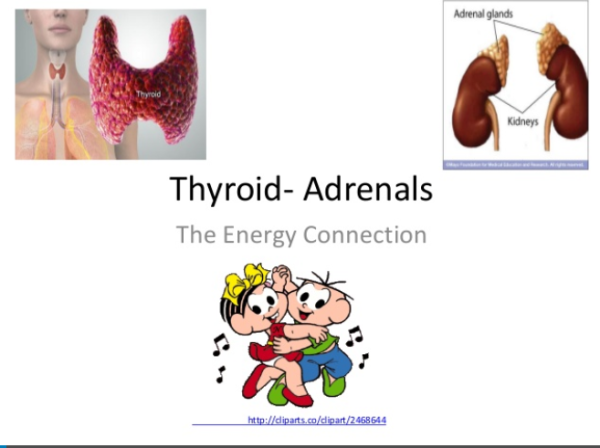
Thyroid and Adrenal Gland Function Determine many aspects of health, wellness and overall energy. If there is a miscommunication between these and other glands, it can lead to interferences in health, such as weight gain, infertility, digestive disorders and mood disorders. In this presentation, The Natural Nurse, Ellen Kamhi, PhD RN explains the basic function and feedback mechanisms involved in gland communication, along with Natural Remedy Support.


If you need a private consultation with The Natural Nurse, Ellen Kamhi PhD, RN, please contact her to set up an appointment.

Diabetes and Hypoglycemia Natural Help

Diabetes is the sixth leading cause of death in the U.S. The American Diabetes Association estimates that over 23.6 million children and adults in the United States—8% of the population—have diabetes, with numbers probably rising in the next few years !

The Centers for Disease Control and Prevention confirms that diabetes is the leading cause of new cases of blindness, kidney failure and nontraumatic lower-extremity amputations among adults. When we add in figures for ‘pre-diabetes’, including hypoglycemia,the numbers look even more alarming. However, there is really good news! While some people think it may be inevitable for them to suffer from diabetes, because “it runs in the family” research shows that while people may inherit a susceptibility to diabetes, they do not inherit the disease itself—making healthy choices and prevention more important than ever.

There are many ways to tremendously decrease your risk of getting diabetes, along with ways to modify its effects if you have already been diagnosed.  These include:

Dietary Choices
Assessing Food Allergies
Underactive Thyroid Assesment
Emotional Influences
Daily Exercise

In this article we will review supplements and Herbal Botanical Medicine that can bring down blood sugar levels. CAUTION- IF YOU ARE TAKING MEDICATION FOR BLOOD SUGAR CONTROL, BE SURE TO DISCUSS THE USE OF ALL SUPPLEMENTS WITH YOUR HEALTH CARE PROVIDER.

Alpha-Lipoic Acid is also called ALA or simply Lipoic Acid. This supplement decreases free radicals that can lead to nerve damage- one of the negative effects caused by diabetes.  ALS also helps muscle cells to absorb glucose from the blood, which helps to increase energy. ALA may also help muscle cells take up blood sugar, and  has been  shown to decrease nerve pain, numbness, and burning. Typical dose: 600-800 mg per day.

Bilberry is a small relative to the Blueberry fruit. It is loaded with various anthocyanidins which act as antioxidants that protect small blood vessels from damage. This can help to minimize retinopathy and nerve pain common in diabetes. Dose: 100-300 milligrams per day.

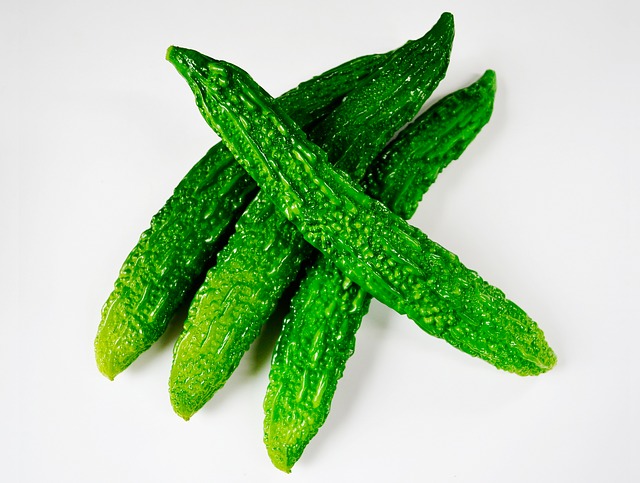
bitter melon for diabetesBitter Melon is a vine that grows on all the fences around Century Village! It is also called Cerasee. They don’t call it “Bitter” for nothing. This plant can be made into a tea and allows glucose to be used efficiently by the cells, and may lower blood glucose levels. Dosage : 50 – 100 milliliters or 3 to 6 tablespoons per day.

Chromium is involved in the body’s metabolism of protein, fats and carbohydrates, and may help to enhance insulin’s action on the cells. People use chromium as part of weight loss protocols as well as to assist with blood sugar disregulations such as diabetes or hypoglycemia. Dose 200 micrograms per day.

Gamma-linolenic acid, or GLA, is a fatty acid found in many natural sources and is especially high in evening primrose oil. Supplementing with GLA may be helpful to prevent and reduce the nerve pain that can occur in individuals with diabetes. Dosage is between 250-550 milligrams per day.

Gymnema sylvestre is an herb from India- its name translates to ‘sugar destroyer’. Put some on your tongue to decrease cravings for sweets. It is helpful for blood sugar control by increasing enzyme activity for glucose utilization by cells, and increasing insulin production. A typical dose is 200-250 mg twice a day.

Magnesium is often low in people who have blood sugar disregulation. You can request that your level be tested by your physician. The most accurate test is to evalulate Red Blood Cell Magnesium Level. Forms of supplemental magnesium vary in terms of usefulness in the body. Magnesium Oxide is poorly absorbed, which Magnesium Glycinate if a better form. Dosage : 250 – 350 mg per day.

Prickly Pear Cactus Fruit is a beautiful pink colored fruit that grows on the Prickly Pair Cactus. These fruits are available for purchase at certain seasons in specialty grocery stores, and extracts and juice is available in health food stores. If eaten for blood sugar balance ½ cup per day of cooked fruit is recommended. If you pick your own be sure to watch out for the stickers on the plant! It is high in fiber and contains natural constituents that act in a similar way to insulin.

Ellen Kamhi PhD, RN, The Natural Nurse®, can be heard on radio daily.  She is the author of several books, including THE NATURAL MEDICINE CHEST. Dr. Kamhi has been involved in natural health care for over 4 decades. She answers consumer questions and has a private practice.  www.naturalnurse.com   954-418-2388.  Dr. Kamhi will be lecturing at CUNY group meeting on Wed Feb 4 th, 7 pm, at GP-A in the Clubhouse. All CV residents are invited.

Cat’s Claw & Parrot’s Beak (Uncarica spp.)-Rainforest Panacea

Cat’s Claw & Parrot’s Beak (Uncarica spp.)Rainforest Panacea

By Ellen Kamhi, PhD, RN, AHG, AHN-BC

Cat’s Claw is a a powerful immune stimulater and aids digestion…

It is a broad spectrum antimicrobial that can eliminate fungi, bacteria, viruses and parasites. The highlands of the Amazon rainforest in Peru is the home of the Ashanica Indians.  There, the indigenous healers have used Cat’s Claw (Uncaria tomentosa), which they call Una de Gato, for thousands of years, as an herbal medicine for many ailments, especially those which involve the digestive tract and the immune system.

The plant is named for the large hook-like thorns that come off the ends of a long vine which locals have stated resembles the Jaguar’s claw. The medicinal part is the root and the inner bark of the stem. In order to preserve the plant, the inner bark is usually used, while the roots are spared, to allow the next harvest to continue to grow.

In Africa, according to leading ethnobotantist Anthony Kweku Andoh, Ph.D., F.L.S. a parallel species, Uncaria africana, (the parrot’s beak), is used by the Ashanti clan people for similar medicinal purposes. In his fascinating book, The Parrot’s Beak & the Cat’s Claw: Hope for True Healing from the Rain Forests of Africa and South America, Dr. Andoh points out the similarity and what is believed to be the common origin of the Ashanica Indians of South American and the Ashanti people of Western Africa. These cultures are somehow linked by a common ancestral people known as the Olmecs, a pre-Mayan civilization which have also been identified as the predecessors of the Ashanti people in Africa. The Olmecs provide an anthropological link between Africa and South America. Indeed, according to Dr. Andoh, the similarity between the folkloric, cultural, ethnobotanical and ethnolinguistic relationship between these two peoples is uncanny, despite  the fact that the Atlantic divides the two cultures by 3,000 miles!

There are several different species of Cat’s Claw. Some are medicinal, while others are quite poisonous. Be sure to use a commercially prepared Cat’s Claw from a reputable herbal manufacturer!

Modern research has shown that the species known as cat’s claw (Uncaria tomentosa) contains the highly active ingredient isopteropodine, which has the most pronounced effect of activating immune system function.     A formidable array of scientific studies has been performed on Uncaria.  In 1985, the journal Planta Medica  reported on the alkaloids of Uncaria tomentosa and their ability to increase phagocytosis.  Phagocytosis is  the action  of the white blood cells as they engulf and destroy invading organisms, such as bacteria and viruses.  Additional compounds may help to explain the herb’s antioxidant properties, its ability to protect cells from damage caused by free radicals and the anti-viral, and anti inflammatory properties also attributed to this herb. Some companies that sell Cat’s Claw in the health food industry, claim that only TOA Cat’s Claw should be used. However, this assertion is debatable.  Cats claw naturally contains a large array of components, including small amounts of  Tetra- oxindole alkaloids, or TOA , and pentacyclic oxindole alkaloids or POA. Although isolated TOA may be toxic in high amounts, scientific analysis shows that TOA helps support immune function. Cat’s Claw has traditionally been used with the TOA intact, with no report of adverse effects.

Health food  stores carry Cat’s Claw as a tea, tincture, extract and capsule. Due to Cat’s Claw’s adaptogenic properties, it can be taken regularly as a tonic and also can be used in higher doses for an acute or chronic illness. In general , use 100 mg/day in divided doses, or 30 drops 3 times per day.  Cat’s Claw can also be used externally as a poultice for wounds and skin irritations.  Use a well identified Cat’s Claw, Uncaria tomentosa. There are few reports of  side effects except for occasional  mild gastrointestinal disturbances.

Ellen Kamhi PhD RN, The Natural Nurse®, can be heard on radio daily.  She is the author of several books, including Arthritis, The Alternative Medicine Guide. Dr. Kamhi has been involved in natural health care for over 4 decades. She also teaches certification courses in Herbal Medicine in person and online, and offers personal consultations.    www.facebook.com/NaturalNurse      954-418-2388

Joy of SEX- Orgasmic Knowings

loversllustration 11- 2 lovers entwined- Ann Rothan

Sex is a human experience that has influenced the course of history of entire civilizations, as well as being a formative force in the life of individuals. Humans are one of the only species that use sex for recreation, not only procreation. (Dolphins are also documented to engage in bisexual activity regularly, not only during fertile seasons.) Sexual activity is steeped in spirituality and mysticism. The schizophrenic nature of humankind’s struggle with the powerful sexual force can be seen by the attempt to both deify and totally repress sexuality. These opposing views come in and out of favor as the accepted social protocol in various societies throughout the ages. The voluptuous erotic sculptures and artwork that adorns the ancient Hindu temples of India reflects the divine bliss experienced at the instant of orgasm- sexual transcendence. While other religious teachings take great pains to cover all parts of the body with non-erotic apparel in an attempt to sublimate the sexual nature. Civilizations throughout the ages use sexuality as a conduit to transcend usual life experiences. The Kama Sutra is an ancient text that describes sexual positions in detail. Wilhelm Reich, an associate of Sigmund Freud, describes the energy released during orgasm as ‘orgone energy’, which if used wisely, can decrease or reverse the aging process. Tantric yoga investigates the use of the exchange of male and female energy to consciously experience life as anandrogynous ‘full spectrum’ of reality, where male and female learn sexual techniques to consciously share life force energy . Wicca uses sexual ritual to influence the forces of nature. There is a continuum of female sexual expression tha tcan be represented by the pure Virginal Essence of the Mother Mary and the Harlotimage of Mary Magdellan. Women are free to choose to incorporate either or both into their own self expression. Perhaps the middle path is the road most traveled,with different phases being expressed at different times.

Sex After Menopause

Of all the complaints and fears that women express about the effects of menopause,the possibility of the loss of sexuality is most pervasive. However, a recent study indicates that “Little difference was found between age-matched subgroups of pre-and postmenopausal women in frequency of sexual behavior and attitudes towardstheir sexual relationships .”(10) In this study 436 women were assessed. Outcomes indicated that while frequency of sexual encounters decreased somewhat with age,enjoyment and satisfaction associated with sex was not related to age. In a very real sense, the old adage, ‘if you don’t use it, you loose it’, applies to sexual function.Women who continue to experience sexual stimulation, either with a partner or via masturbation exhibit less thinning and drying of the vagina after menopause.(11)

Low Libido

Woman of any age may experience a lessening of libido. This is often due to health conditions that lead to fatigue, stress, unhappy emotional relationships, poor nutritionand many other factors. There are also times when a woman may choose topurposely lessen her sexual focus and activity, such as while pursuing a time ofinternal self reflection and growth.

Techniques to Enhance Sexuality

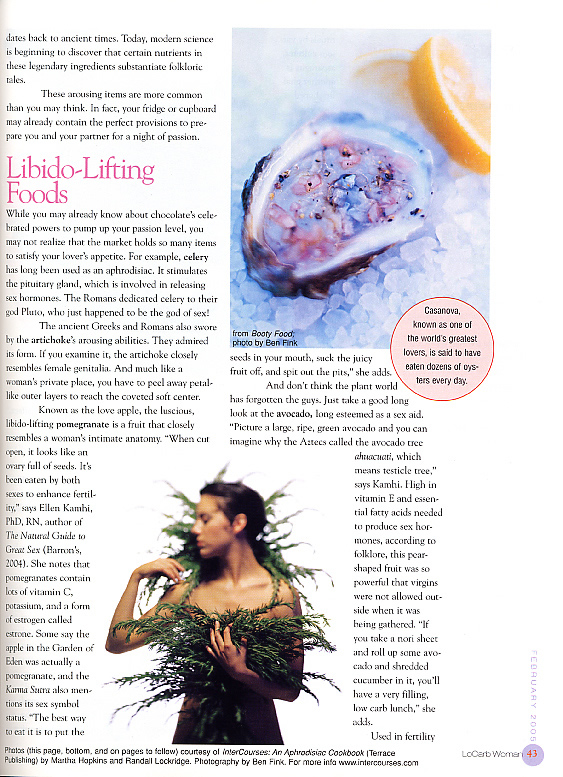
Diet: The same diet that is used to detoxify the body and control excess aggressive estrogen will also balance hormone function, which leads to better sexual health.Certain foods are believed to increase sexuality. These include Oats, Sea Vegetables, Green Foods, and shellfish, especially oysters.

Visualization: Using the mind to focus on erotic images can enhance the production of sex hormones. This can be a personal mind’s eye ‘movie’ created by the individual, or it can be through the use of videos, photos or other visual stimulation.

Exercise: Regular exercise is paramount for increased sexual activity. Exercise tones, strengthens, and increases endurance. Both the psychological effects of having a positive self image, and the physical effects of balanced hormone production and endorphin(feel good chemicals) release that accompanies regular exercise helps out with sexual fitness. The sex act is in itself good exercise! It increases intra-cellular oxygenation, releases a lot of endorphins, slightly lowers ‘bad’ cholesterol, increases estrogen production in women (especially in menopause), and testosterone in both men and women, regulates menstrual cycles, increases the production of adrenal hormones, and has advantages of aerobic exercise, such as using up calories and burning fat.

The Kegel Exercise is an exercise that is particularly effective at enhancing the sexual experience. This movement strengthens the muscles surrounding the vagina, the pubococcygeus(PC) muscle. It also has the benefit of avoiding or curing the problem of weak bladder control. The Kegel exercise is beneficial to both men and women. Exercising the PC muscle increases local blood and nutrient supplies, tones and increases elasticity and power, and can lead to enhanced sexual sensitivity and more intense orgasms! Quite a lot of benefit from an exercise that can be done anywhere, anytime, with no one knowing you are doing it.

Kegel Exercise Instructions:

While you are urinating, attempt to stop the stream of fluid. Hold for a few seconds, then release again. Do this several times. Continue to practice during every urination until you know how to ‘isolate’ the PC muscle.

Now incorporate the exercise in your daily life- not only while urinating. Squeeze the muscle and hold for 2 seconds, then release. Repeat five times. Do this 2-3 times/day. As you become comfortable increase the time you hold, and add repetitions. More advanced practice includes clamping the anal sphincter, and adding in a ‘bearing down’ movement.. all without contracting the buttocks.

To aid in remembering to do the Kegel, you can coordinate it along with other daily life activities, such as brushing your teeth. The time spent commuting to work is ideal. What better way is there to stay stress free in a traffic jam, than to allow your mind to enjoy a sexual fantasy while you Kegel!

Herbs to Enhance The Joy of Sex

Womankind (and mankind too) has experimented with various plant substances throughout history in an endless search for useful aphrodisiacs. Many folkloric tales of sexual potency are linked to herbs. Although some of these stories are probably just wishful thinking, there are some herbs that have stood the test of time in their ability to stimulate and sustain sexuality, either during a particular love making session, or over a lifespan into advanced age.

Prepare a potent ‘love potion’:

Some of the herbs that enhance female sexuality include: Red Raspberry, Red Clover, Siberian Ginseng, Ginger, Oats, Damiana, Fenugreek and Kava kava.

Combine 20 drops of Extract of each herb in ½ cup warm water. Add ½ ounce of Amaretto or some other flavoured liquor. Relax and enjoy!

Deer Antler, although not technically an herb, has been prized in Chinese medicine for centuries as a sexual stimulant. The expression ‘horny’ may be linked to this fact. It is considered one of the strongest ‘yang’ tonics. This animal based product is harvested without harm to the animals, since they shed their antlers naturally. Scientific studies show that deer antler is useful for anemia. It can increase both the number of red blood cells as well as the amount of hemoglobin they contain. In women deer antler increases the strength of contraction and the tone of the uterus. It has an adaptogenic effect and increases overall strength and endurance, and decreases fatigue, as supported by tests done on athletes. Current research is linking the use of deer antler, as well as the velvet that is scraped off, to many health enhancing effects, including cartilage growth and repair, increase of IGF-1( an indicator of the amount of Human Growth Factor which tends to decrease with age), blood pressure and cholesterol balancing, enhanced immune function , and a decrease in stress related illness.

Panax Ginseng is recognized for thousands of years as a powerful tonic, which gives the user the strength and power of youth. Often called ‘Chinese Ginseng’, the shape of this root resembles the human form, and is a powerful sexual tonic, as well as an overall adaptogen.

Maca( Lepidium meyenii) , also called Peruvian Ginseng, although it is unrelated to ginseng, but part of the cruciferous vegetable family, like cabbage , kale and broccoli. It grows in Andes Mountains The part of the plant used is the tuberous root structure . It is high in essential fatty acids, minerals( phosphorus, calcium, magnesium, zinc), vitamins B, C and E, various phytosterols, and other nutritional factors known for their importance to sexual function. Research has uncovered specific compounds, macamides and macaenes, which showed a significant increase in sexual function in laboratory animals in controlled trials.( Urology, April 2000).

History reports that Incan warriors used maca before battle to increase strength and endurance. It has been used throughout recorded history up to the present day by both men and women as an aphrodisiac.

Muira Puama(Ptychopetalum olacoides) known as ‘Warrior Wood” and “ Potency Wood”, is used by the people of the northern Amazon area in Brazil for many health issues. It is considered a tonic for the neuromuscular system, and helps with joint pains, menstrual cramps, PMS symptoms and mental disturbance. The entire plant is used in medicinal preparations, and contains sterols, including beta-sitosterol, which may account for its activity as a sexual stimulant. Muira Puama is listed in the British Herbal Pharmacopoeia, and is recommended for the treatment of impotence. In Brazil , it is used by both men and women to increase libido and sexual performance. Studies in France have verified its usefulness for men for both increased libido and impotence.

Yohimbe( Pausinystalia yohimbe) is derived from bark stripped from a tall evergreen West African tree. In its native land Yohimbe may be made into a tea, smoked, or processed into a powder and sniffed. In the western world, yohimbine, the primary active constituent of yohimbe, is actually a prescription drug, yohimbine hydrochloride, used for erectile dysfunction in men. Yohimbe increases testosterone blood levels in both men and women, causing enhanced sex drive. It also stimulates circulation to the genitals. This is especially helpful for men with decreased penile circulation, and may offset vaginal atrophy in women. Dosage is important with this herb. Stick to the label directions on the product you are using. Do not use with kidney or liver disease, high blood pressure, or heart arrhythmias. Possible side effects include anxiety, increased blood pressure, and facial hair growth in women. The Journal of Urology (February 1998) reported that these side effects are infrequent and reversible. It is interesting to note that some people who experience these effects with the herbal extract have no problem taking the prescription drug!

Essential Oils and Lubricants

Essential oils can enhance the sexual experience in several ways. Scented oils set the ‘mood’ by stimulated our all important olfactory nerves. The sense of smell is closely linked to areas of the brain that regulate the release of hormones, including sex hormones.

When choosing essential oils, use pure oils from a health food store or order them from a high quality aromatherapy manufacturer. Commercial products that contain chemicals and fillers are often labeled as ‘Aromatherapy’, but they are not the right choice. Read the label carefully; especially “other ingredients.”

Essential Oil Use:

These oils are known for their aphrodisiac properties:

Ylang-ylang, Sandalwood, Patchouli, Rose, Musk, Jasmine and Vanilla

1) Rub a few drops of oil on a light bulb before turning on the light.

2) In a 2 ounce spritzer bottle, fill with spring water, add 5 drops of each oil, or any

combination of the ones you enjoy. Spray around the room, and on yourself

3) Add 5-10 drops of any combination of oils to a warm bath

4) for direct massage, add a few drops of essential oil to a ‘base’ oil,

such as sesame or almond oil. The essential oils are too strong to

put directly on the skin, especially delicate mucous membranes.

Lubricants:

The best sexual lubricant is natural vaginal secretions. Saliva also works well. When more lubrication is needed, there are many water-based commercial lubricants on the market. However, many of them tend to dry up very quickly. Here are two oil based products that I have found to work quite well as sexual lubricants:

1) Aura Glow Almond Scent by Heritage Products. This is an all-natural massage oil that works excellently well as an overall skin moisturizer. It is safe to use intra-vaginally. Available in Health Food Stores.

Albolene Liquifying Cleanser works well as a sexual lubricant for occasional use. It contains Mineral Oil and Paraffin, so it is not all natural, but is long lasting and
effective.

by Ellen Kamhi Ph.D., R.N.
The Natural Nurse

“The Natural Nurse®” Promotes Traditional Medicine

By Dave Tuttle

For more than 30 years, Ellen Kamhi, PhD, RN, also known as “The Natural Nurse®,” has been a pioneer in the field of holistic medicine, with interests ranging from nutraceuticals to indigenous herbs of the Amazon. In the process, she has become a catalyst for those who are passionate about finding natural ways to maintain optimal health and achieve disease-free longevity.

Ellen Kamhi, PhD, RN

Early Interest In Natural Healing
As Kamhi recalls, “When I was 12, I had a severe horseback riding accident. I was told my injuries wouldn’t heal and that I would need surgery. Instead of just accepting the doctor’s prognosis, I had my father take me to the library, where I looked up treatments for back injuries and found many therapies the doctor hadn’t mentioned, including the use of calcium, magnesium, and other supplements, as well as certain exercises. I used all of these to heal my back.

“When I returned to the surgeon and told him what I’d done, he dismissed it and said, ‘Oh, those are just old wives’ tales.’ I was very interested in why doctors didn’t know about these methods. That’s why I’ve dedicated my life to seeking information about natural healing and educating everyone about it.”

Kamhi has found many ways to do this. Along with business partner Eugene Zampieron, ND, she runs Natural Alternatives Health Education and Multimedia, Inc. They have authored six books and appear on five regularly scheduled radio programs as well as cable television. They lecture widely to health-related organizations and hold workshops on various aspects of holistic health. They also research indigenous plants that are useful for healing and lead international “eco-tours” to explore their application. While doing all that, she still finds time to see patients for nutritional and lifestyle counseling. And for fun, Kamhi throws in motorcycling and professional belly dancing.

At the heart of this unusually bright and energetic woman is an unwavering dedication to finding and disseminating information about natural healing. “That’s what led to my travels around the world and immersion in traditional medicine,” she says. “Traditional medicine refers to medicine that has been used for thousands of years by indigenous cultures. I refer to modern medicine, which focuses on drugs and surgery, as conventional or mainstream medicine, and one of my main goals is to get all the organizations to which I belong to use the word ‘traditional’ appropriately.”

The use of ginkgo biloba may help to correct erectile dysfunction.

How did a curious 12-year-old eventually become a widely respected holistic practitioner? After growing up on Long Island, Kamhi took a teaching job in Arizona and studied nursing. Her interest in holistic medicine was evident early on, as she was already an herbalist and practicing midwife before earning her nursing degree.

“The doctors would shake and shiver when they saw me,” Kamhi laughs. “I would always point out when they were giving various drugs in combinations that, according to peer-reviewed literature, could cause adverse effects—in other words, drug-drug interactions, which are very much ignored in mainstream medicine.”
Kamhi went so far as to leave notes on the doctors’ lunches, pointing out that their bologna sandwiches and cola drinks were filled with toxic chemicals and had unhealthy side effects. And that is how she earned her nickname. “The doctors would see me and say, “Uh oh, the natural nurse is coming,’ in a derogatory way.” But Kamhi had the lastlaugh, turning a once-derisive label into one that today is entirely positive.

Wide-Ranging Interests
The Natural Guide to Great Sex, Kamhi’s latest book, presents holistic alternatives to drugs for sexual dysfunction and offers a program to reverse some of the physical problems that cause such dysfunction. “I don’t talk only about herbs, nutrients, and foods,” Kamhi explains. “I also go into other areas such as energy medicine and exercise.”

Noting that erectile dysfunction is caused as much by circulatory difficulties as by psychological problems, Kamhi says that herbs such as ginkgo biloba, cayenne, and ginger can all be helpful in increasing circulation. She emphasizes that it is important, however, to know the effects of these herbs before using them.

One reason Kamhi is so impressed with Life Extension’s program for blood and hormone level testing is that patients and their health care professionals can ascertain each individual’s exact needs and requirements. She cautions that some substances, such as yohimbe, have potentially dangerous side effects and should be administered only under professional guidance.

“A comprehensive program of eating mostly organic foods, avoiding pesticides and foods laden with hydrogenated oils, stress reduction through meditation or yoga, and supplements is a highly effective protocol for erectile dysfunction,” notes Kamhi. Based on her study of the scientific literature on improving circulation, Kamhi estimates that about 85% of men with erectile dysfunction would benefit significantly from a strict holistic approach.

Does Kamhi think a holistic program is always effective and should be the treatment of first choice? Most of the time, though not always. She points out that drugs and surgery are often necessary life-saving interventions when holistic approaches have been exhausted. In a life-threatening emergency, drugs and surgery are usually the best immediate options.

Kamhi recommends using ginger to help improve circulation

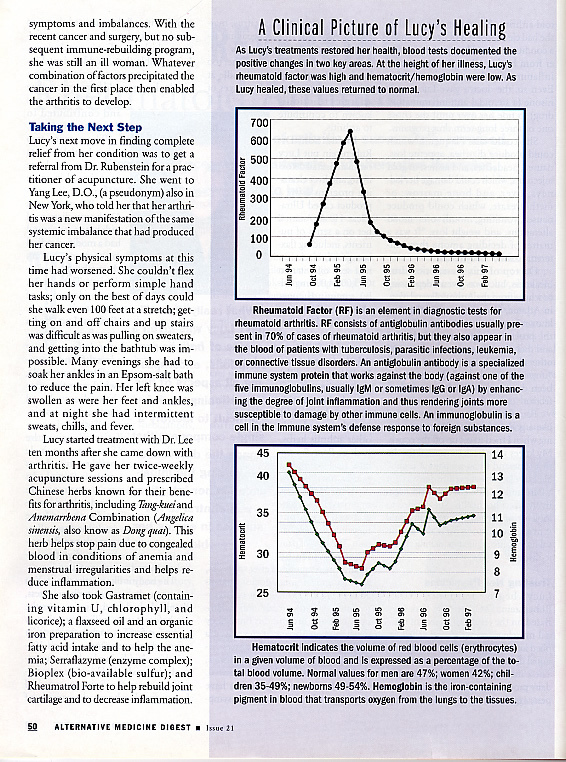
Arthritis is another of Kamhi’s major interests. As coauthor, with Dr. Zampieron, of the book Arthritis: The Alternative Medicine Definitive Guide, she has helped spread the word about natural approaches that, if followed carefully, can cure some sufferers.

“I’m very excited about arthritis,” Kamhi explains, “because it is one degenerative illness where I’ve seen holistic intervention and self-care methods really work. In 35 years, I have not seen one patient follow these methods and not get some kind of result—anything from less severe pain to a complete cure.” The program is not an easy one, however, and the results it produces are directly proportional to the determination and commitment people apply to it.

Kamhi’s arthritis protocol uses organic food, ginseng, fasting, colonics, massage, and testing for food allergies. Patients usually take a large amount of supplements—some for treating a leaky gut, some for heavy metal detoxification, and some for fighting infectious microorganisms, which are often a part of the arthritic process.

“It’s a two-to five-year program,” Kamhi notes. Some of the important supplements in the initial phases include omega-3 oils, turmeric, ginger, vitamins E and C, glucosamine, antioxidants such as resveratrol, and various kinds of carotenoids.

Ellen Kamhi and Eugene Zampieron conduct a workshop on making herbal medicine.

Kamhi advises arthritis patients to work with both a natural health care practitioner and a rheumatologist who is aware of holistic approaches and is willing to accept them. “Basically, if the rheumatologists won’t work with you, you fire them,” says Kamhi. “We need to remember that health care practitioners are our employees, and that we can always hire another one.”

Another of Kamhi’s books, Cycles of Life: Herbs and Energy Techniques for the Stages of a Woman’s Life, reflects her lifelong interest in women’s health and addresses issues such as PMS, infertility, sexual problems, and menopause. Here again, she stresses optimal nutrition, supplements, exercise, and stress-reduction techniques such as meditation, yoga, deep breathing, and prayer.

Personal Life Extension Regimen
As a Life Extension member, Kamhi uses and recommends many Life Extension products and is impressed with the Foundation’s scientific studies. “The research is cutting edge,” she notes. “Life Extension frequently brings to market supplements that have been found to have positive effects, often years before other companies.” Kamhi mentions two important examples: carnosine, a glycation inhibitor and anti-aging agent, and benfotiamine, which helps guard cells against the negative effects of glucose.

Kamhi also sees eye to eye with Life Extension on vital health care issues. “Life Extension has not only consistently offered high-quality products, but also has been a front-runner in the political arena in keeping supplements widely available,” she says. Kamhi believes such advocacy is especially important today, because new laws may end up severely restricting the public’s access to supplements.

“I believe much more strongly in education than in regulation,” she explains, adding that a 1998 study published in the Journal of the American Medical Association found that prescription drugs, even when taken as indicated, are the fourth leading cause of death in the US. “Regulation does not lead to safety,” she points out, “and the pharmaceutical industry is the perfect example.”

Kamhi’s own self-care program is straightforward, though not always easy to follow, especially with her extensive travel schedule. She eats almost 100% organic food (“I eat very little; I think most people overeat”), takes supplements, exercises one hour every day, and does “spiritual work” (prayer and meditation) every day, first thing in the morning and last thing at night.

“I focus on all the things for which I’m thankful: my children, my loved ones, and my business. When things happen that aren’t great, I try to see what I learned from the experience and how I can do things differently in the future. I don’t blame other people when things don’t go to my liking. And I think all this has worked.”