Natural Support for Autoimmune and Inflammatory Disease

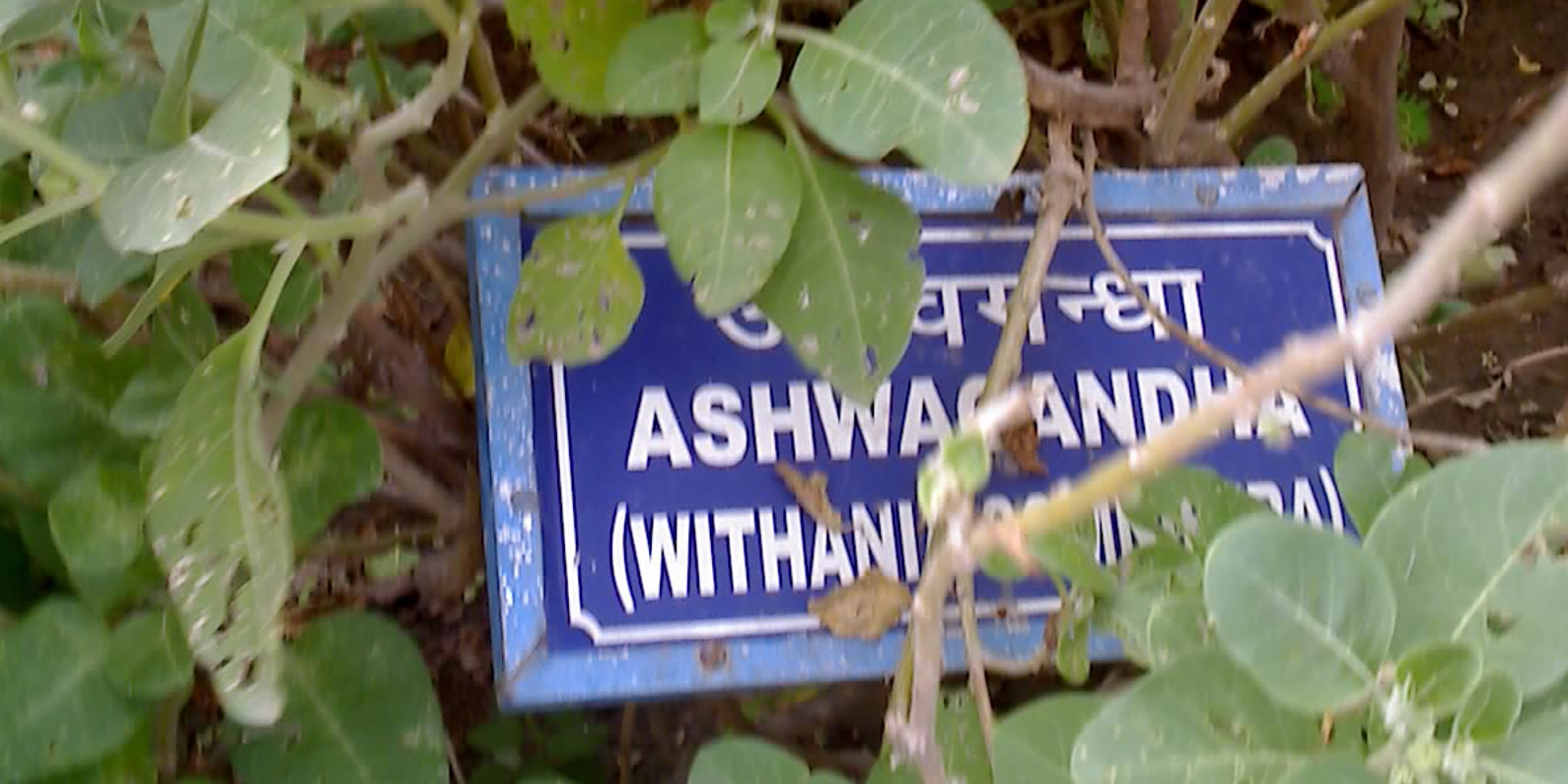
Below is an in depth evidence based article about Natural Support for Autoimmune Disease, such as Hops, Artemisia, Sarsaparilla, Reishi, Ashwagandha and more, that I co-wrote with Dr. Zampieron which was published in Journal of Restorative Medicine 1212:1 p47

To read/zoom in the article, click the double arrow icon (View Fullscreen) in the black bar below the article.

Herbal Medicines with Ric Scalzo

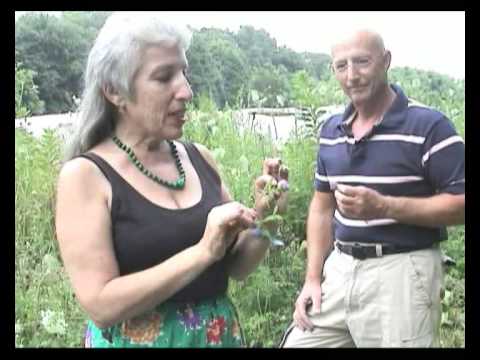
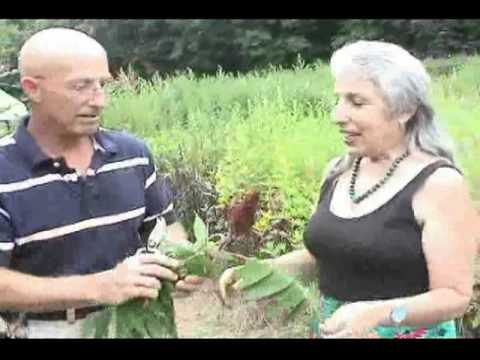
Ellen Kamhi, PhD, RN, interviews Ric Scalzo.

Who is Ric Scalzo?

Ric Scalzo CEO Gaia HerbsHe is one of North America’s most respected herbalists and botanical researchers, with more than 25 years of clinical and practical experience with herbal medicines.

After studying herbal medicine at the School of Natural Healing under Dr. John Christopher, Ric practiced as a clinical herbalist in New England. He regularly teaches herbal classes, interfaces with the media, and lectures nationally on herbal topics.

Ric Scalzo is the co-author of Herbal Solutions for Healthy Living, a groundbreaking herbal repertory and therapeutic dispensatory guide to the safe and effective use of medicinal herbs that has sold more than a quarter of a million copies. He also co-authored Traditional Medicines from the Earth, a compendium of formulations that are effective herbal solutions for healthy living, and is the publisher and contributing author of the Protocol Journal of Botanical Medicine.

In addition, Ric is a lifelong student of Vedic philosophy and spiritual practices. Ric Scalzo holds an honorary Doctorate in Naturopathy from the Southwest College of Naturopathic Medicine in Tempe, Arizona, and received a Master Herbalist degree in 1982 from the School of Natural Healing.

Ric also founded Gaia Herbal Research Institute, which, along with its publishing arm Herbal Research Publications, has contributed extensively to the quality and proliferation of herbal literacy in the United States.

Contact: https://gaiaherbs.com

To listen to the interview, click the player below. If you have any questions, comments, or suggestion, please use the comment section under this post or contact Ellen Kamhi here.

Natural Nurse Books: Herbs, Weight Loss, Arthritis – A Look Inside

The Natural Nurse, along with Dr. Eugene Zampieron, ND  has produced radio shows, offered private consultations, formulated nutraceuticals and  written many books over the years,  on  topics surrounding Herbal Medicines, Weight Loss, Sexual Health, Arthritis, and the Cycles of a Woman’s Life.

As a professional Nurse Herbalist, Ellen Kamhi has years of personal experience in teaching others to be able to employ natural health techniques for themselves. Whether it is learning how to apply an Edgar Cayce Castor Oil pack,  making your own dandelion root tea, or preparing homeopathic remedies,  The Natural Nurse will guide you step by step on how to connect with nature to enhance health.

Preparing for disasters can also be fun, as The Natural Nurse shares how to forage,  recognize and process wild plants into food and medicine.  Using common household spices such as ginger as tea or a topical healing pack is explained in easy to follow instructions, but is also supported by scientific literature.

Perhaps you would like to focus on weight loss strategies such as creating a fast and easy grab and go healthy food cabinet, or taking lemon juice with aluminum free baking soda to support alkalinity, Natural Nurse Tips will open immediate access to lifestyle enhancing  health strategies for yourself your cells and your family!

natural-medicine-chest-book
The Natural Medicine Chest: Herbs to Keep You and Your Family Healthy
the skinny on coconut oil
Weight Loss: The Alternative Medicine Definitive Guide –
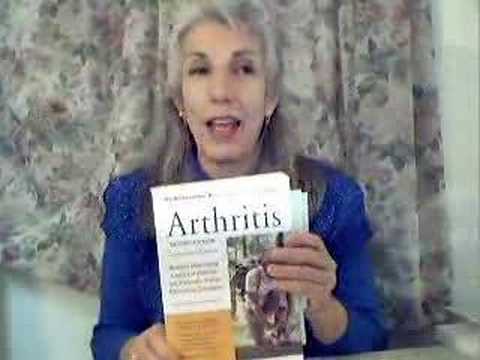
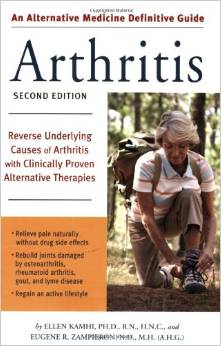
Arthritis: The Alternative Medicine Definitive Guide– Pain free living the natural way, herbs, foods, fasting, enemas, colonics, natural anti-inflammatories,exercise techniques- all supported with mainstream evidence based literature references

In this video Ellen Kamhi PhD RN,  offers an ‘inside look’ at her books.

For more information on Ellen Kamhi’s books, please visit the Books page on this website.

These books are available at Amazon.com

CASTOR OIL PACK- WONDERFUL RELIEF FOR WHAT ‘AILS YA’

Castor Oil (Ricinus communis)

The Ancient Oil that Soothes and Smoothes…

By Ellen Kamhi PhD, RN, AHG, AHN-BC

FACTS: Castor oil comes from the castor bean- which is poisonous!

Castor Bean Plants are also called “The Palma Christi”

Castor Oil was recommended for healing by the famous psychic, Edgar Cayce

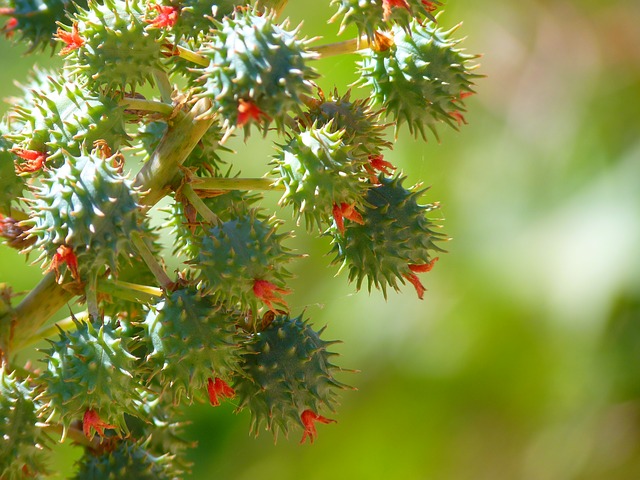
castor oil plantThe Castor bean is the seed of an herbaceous plant which is cultivated in the temperate climates, often as an ornamental. It grows from 3-10 feet tall. Its native cousins in Asia, Africa and the West Indies can grow to 30-40 ft high! The plant itself is quite poisonous; a child can die from ingesting a single castor bean. However, the light yellow oil pressed out of the bean is safe to use, since the toxic constituents remain in the seeds. The castor bean plant is also known as The Palma Christi, or Hand of Christ, due to the shape of the leaves and its healing properties. Castor oil is mentioned in the ancient Egyptian medical scrolls, the Codex Ebers. The Egyptians used castor oil as a laxative for cleansing the bowels and as a scalp rub to make hair grow and shine. The well known laxative effect is probably due to the active constituent ricinolein, which is a mild irritant to the large intestines. Many senior citizens probably remember their Grandparents reaching for the Castor oil at the first sign of illness.

Throughout history, castor oil has enjoyed popularity as a healing substance. Dr. Forest Clinton Jarvis in his 1958 best selling book Folk Medicine, describes many medicinal uses of castor oil. “Apply it to moles, warts and skin ulcers to remove or lessen the blemishes. Or, rub a small amount on the hair and eye lashes to make them more luxuriant”. Castor oil rubbed into sore joints and muscles right prior to heat application treatment reduces the pain and swelling of rheumatism.

Edgar Cayce, the famous American psychic who lived in the 1940’s, spoke often about the use of a castor oil pack. This is a gentle treatment suggested by Cayce for non-malignant ovarian fibroids and cysts, breast swellings and cysts, headaches, liver problems, constipation and other ailments involving elimination.

castor oilMaking a Castor oil pack…

Materials :

Organic castor oil, Undyed wool flannel, a heating pad or hot water bottle, a plastic sheet, and some terry cloth towels.

Directions:

1)Soak the flannel in warmed castor oil and then place it onto the body over the area you wish to treat.

2) Cover the flannel with a piece of plastic. A small garbage bag works fine for this.

3) Place the heating pad over the plastic. Keep it on a warm setting. You may choose to use a hot water bottle instead of the heating pad.

4) Cover all of this with a towel to keep the surface you are laying on from becoming soiled and to keep in the warmth. Fasten the towel around you with a safety pin, or use an ace         bandage to secure everything in place.

5) Relax completely for one to two hours before removing the entire pack. The procedure is an excellent stress reducing modality and feels soothing. It can be used for all ages, except for placing it on the lower abdomen of a pregnant woman.

If you do the treatment over your abdomen, it may cause some mild cramping sensations over the right upper quadrant. This may be an indication that the Castor oil is stimulating the liver and Gallbladder. This is quite normal, so don’t be alarmed. Also, You may have a loosened bowel movement several hours after the pack. Again, this is quite a normal occurrence. AVOID IF PREGANT, unless the midwife or obstetrician directs you to do so/; as castor oil can begin and accelerate labor or cause premature miscarriage.

So, the next time you want a time honored, gentle healing method that is guaranteed to soothe and smooth, reach for the castor oil. You’ll find it, as you reach into, The Natural Medicine Chest.

Ellen Kamhi PhD, RN, The Natural Nurse®, can be heard on radio daily. She is the author of several books, including THE NATURAL MEDICINE CHEST. Dr. Kamhi has been involved in natural health care for over 4 decades. She answers consumer questions and has a private practice. www.naturalnurse.com   954-418-2388. Dr. Kamhi will be lecturing at CUNY group meeting on Wed Feb 4 th, 7 pm, at GP-A in the Clubhouse. All CV residents are invited.

Botanicals Scientific Validation of Herbal Medicine

Ellen Kamhi PhD, RN, AHG, AHN-BC discusses botanical medicine- active constituents found in indigenous healing plants, the doctrine of signatures, specific actives in common botanical medicine used for healthcare, scientific studies, and consideration of adverse effects.

Women and Plant Medicine A Herstorical Perspective

Women and Plant Medicine: A Natural “Herstory”

September 30th, 2011

A historical perspective on the role of women as healers
By Ellen Kamhi PHD, RN, AHN-BC

Women use herbs as they progress through cycles of life in every corner of the globe. Plants nourish, heal, protect, lift spirits, give solace, strengthen, provide joy, offer hope, and provide every conceivable system of support to both the “selves” and “cells” of women everywhere.

Energy healing, the interlacing of the human psyche, nature, and the subtle eminence that permeates all matter, has been used to balance and support healing since the dawn of history. Plants have traditionally been used both as medicine and good-luck amulets. For example, ancient warriors in both China and North America wore ginseng root around their necks for power and protection. Flower essence remedies, such as the Bach Remedies, effectively bring balance to human emotions and come from the essence of various plants.

No historian really knows the exact time when our ancestors first used herbs to heal themselves from sickness or injury. Archaeologists exploring a Neanderthal’s gravesite in Iraq (formally known as Mesopotamia) discovered pollen from eight species of plants, which turned out to be more than 80,000 years old. Hemp seeds were also found at an ancient birth site from more than 10,000 years ago. Hemp (Cannabis sativa) was used for pain and relaxation from ancient times until it was outlawed in the US in the 1930s. Herbal medicine is as old as humanity itself. But how did all of the herbal knowledge co-evolve with humanity? How did people know which herbs to take and which ones were toxic?

The ancient people used many techniques to ascertain and develop their repertoire of medicinal plants. Presumably, trial and error played a major role in discovering medicines. This information was recorded and remembered, usually by the oldest and most experienced community members—a task often relegated to women.

It is well established that many species of animals are instinctively drawn to graze upon a particular plant to soothe their ills. Many of us have personally observed our cats and dogs, when feeling “under the weather,” eating grass to induce vomiting. Chimpanzees are known to eat certain species of plants only when they are ill with a particular malady. This information is taught to others and handed down through generations until a huge body of information is amassed on healing. Perhaps our primordial ancestors observed this in other animals and emulated this practice, known as “instinctual dowsing.”

Many shamans and healers with knowledge of the ancient ways report that the information was originally obtained through communication with the Divine, in a dream state, a vision, or during the shaman’s communion with the spirit world. Others report that the creator left clues, hints, or a “holy signature” on the plant creations, a type of instruction manual indicating the plants’ medicinal value for humanity. Today, herbalists refer to this concept as the Doctrine of Signatures. Gingko biloba is a good example of a signature; both its leaves and a cross section of the fruit resemble a human brain. Scientific research has proven that gingko can help brain function.

History notes that women were the “guardians” of herbal knowledge, which at times caused them a great deal of duress. During the Middle Ages, it was the wise weed women and midwives who kept herbal traditions intact, passing them from generation to generation. Actually, one of the most famous woman healers of this era was granted sainthood by the Roman Catholic Church. St. Hildegard of Bingen (1098–1179) was a gifted herbalist who authored a treatise on healing entitled Liber Simplicis Medicine, where she discussed hundreds of botanical medicaments. Unfortunately, she, as well as millions of other women, was persecuted for this and actually burned alive at the stake as a “witch!”

The wise women’s knowledge of herbal remedies was often the only resource for poor people to get any kind of health care. However, these herbal healers’ practice was viewed as devil worship and political subversion, and they were accused of using supernatural powers. Despite the “witch hunts” of both medieval times and today, wise women traditions survive, and modern women everywhere can learn to incorporate the power of natural healing into their daily lives.