Urinary Tract Infections- Natural Help

https://www.naturalsolutionsmag.com/urninary-tract-infections/womens-wellness-natural-nurse

Women’s Wellness With the Natural Nurse

September 1st, 2011

Urinary tract infections (UTIs)—many people are unfortunate enough to understand the symptoms personally, since they have all experienced it themselves!

By Ellen Kamhi PHD, RN, AHN-BC

UTI Symptoms
Symptoms can vary depending upon the severity of the infection and the strength of the individual’s immune system, and may include painful urination, burning, tenderness, dull aches, chills, fever, lower back pain, and nausea. The American Journal of Obstetrics and Gynecology reports that the incidence of UTIs increases after menopause, probably due to estrogen depletion, bladder or uterine prolapse, and the increased use of pharmaceutical drugs. Fewer men fall victim to UTIs, but they experience many of the same symptoms.

Cause

Under normal conditions, a thin film of urine remains in the bladder after urination, and bacteria are removed by organic acids produced by the mucosal lining. If there is any kind of interference in this mechanism, such as an infection, stress, or holding urine too long, a urinary tract infection can result.

Types of UTIs

There are two general types of UTIs: Lower UTI in the bladder and urethra (most common) and the more serious Upper UTI which effects the ureters and the kidneys.

Treatment Goals

One treatment goal is to stop the progression of infection from the lower to the upper areas. In a severe infection, antibiotics are necessary to avoid a more serious kidney infection, although antibiotics can cause adverse effects, including a secondary yeast infection, as well as repeated UTIs due to the development of resistant strains of bacteria.

Lifestyle Choices to Decrease UTIs

There are many lifestyle choices that can help you avoid getting a UTI.

• don’t hold urine in—go to the bathroom as soon as you feel an urge

• use toilet paper from front to back

• wash hands before leaving a bathroom—bacteria contaminates bathroom fixtures

• avoid irritating the area with highly perfumed products

• wear loose cotton underwear

• perform the Kegel exercise for the pelvic floor every day

The Kegel exercise keeps the pelvic floor muscles toned, increases circulation, improves lymphatic flow, and helps to deter the development of prolapsed bladder.

Natural Therapies
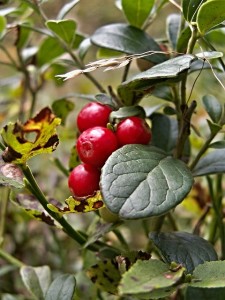
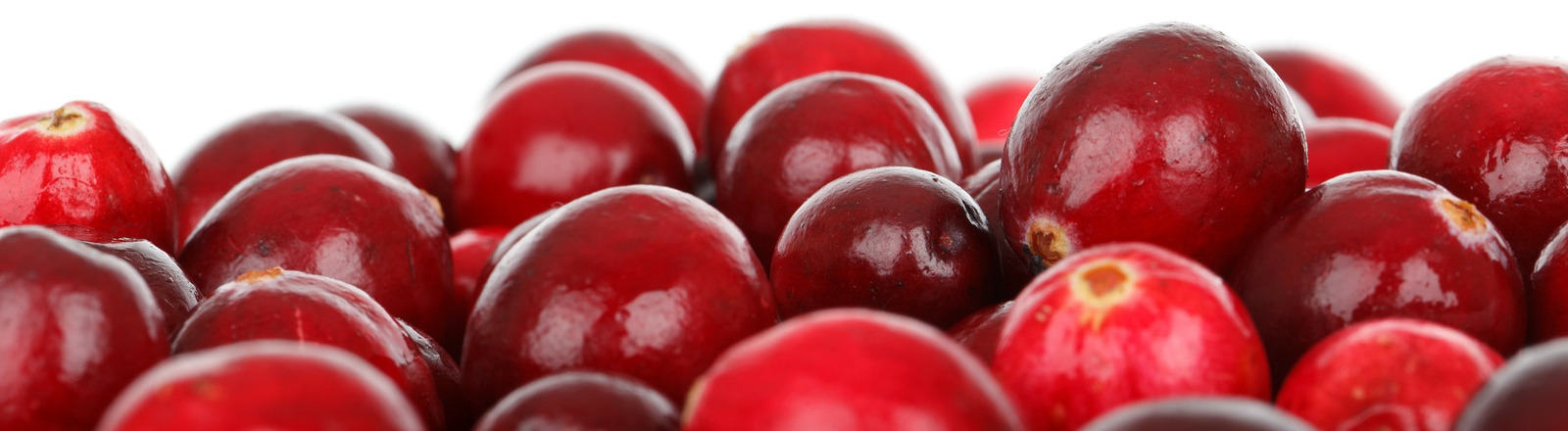
cranberries photo courtesy pixabay.comCranberry Studies have proven that cranberry is quite effective in preventing bacteria from adhering to mucous membranes. Cranberry’s efficacy was touted in the widely respected Cochrane Database in January 2008. Both the natural fructose found in cranberry and specific proanthocyanadins have been shown to block bacteria from being able to wrap appendages around the edges of the bladder lining. It’s best to use pure cranberry capsules, or unsweetened cranberry juice. Commercial cranberry juice with lots of sugar or, worse yet, ‘sugar-free’ cranberry juice with artificial sweeteners is not recommended to help a UTI!

D-Mannose Another helpful supplement is D-mannose, which acts as a ‘decoy sugar’ and attracts microorganisms away from the bladder lining. Together, D-mannose and cranberry can work as a dynamic duo to support urinary tract wellness. It is important to use enough D-mannose. Many studies focus on the dosage range of 4000 to 5000 mg for best results. However, some products offer only 250 to 1000 mg per dose, which may not be enough to be effective. Nature’s Answer UT offers a combination of D-mannose and cranberry with no added sugars, flavors, or preservatives.

Herbal Support In addition to cranberry and D-mannose, other herbs have been used traditionally in societies around the world to support urinary tract health. These include: Oregon grape root, couch grass, juniper berries, golden seal, uva ursi, garlic, hawthorn, and parsley.

Kegel Exercise Intructions:

To learn to contract the muscle strengthened by the Kegel exercise, attempt to stop your urine flow while using the toilet. Once you have learned to contract the muscle, practice it regularly by contracting and releasing several times, any time you have a spare moment. Sitting or standing positions work equally well.

Kids, Naturally

Nurses herbalists offer pointers, complementary therapies to parents seeking organic remedies for their children

By Heather Stringer
March 2, 2004

As herbal remedy use swells among adults, more patients are seeking out these alternatives for their children. Parents may turn to nurses for answers about natural alternatives.

Ellen Kamhi, Ph.D., RN, a certified holistic nurse, is accustomed to having hope for patients who have run out of options.

The New York nurse specializes in herbal medicine, and she knew just what to do when the mother of an 8-year-old autistic, hyperactive boy came to her desperate for help. The boy couldn’t speak or sit in one place for more than a few seconds and constantly grabbed objects and made faces. Doctors had prescribed pharmaceutical drugs, but the medications weren’t helping, and physicians had told the mother she should consider institutionalizing her son.

Kamhi tested the boy for food allergies and found that he was severely allergic to wheat and dairy products. She taught the mother how to switch her son to an all-organic diet, and started the boy on herbal and vitamin supplements. Then Kamhi and the mother waited.

During the first three months, the mother noticed small changes—her son could sit still longer. By six months, for the first time, he could hold a pen and mimic writing. A year later, he was capable of having a conversation and even started attending a special school.

Cases like this are one reason why Kamhi decided to pursue herbal medicine more than 30 years ago—long before these remedies became popular among consumers.

Today, herbal alternatives are catching the attention of the American public, and a survey conducted by Prevention magazine in 2000 estimated that 22.8 million American consumers used herbal remedies instead of prescription medications. The survey also found that about 30 million Americans chose herbals instead of over-the-counter drugs.

As herbal remedy use swells among adults, more patients are starting to seek out these alternatives for their children. Parents may turn to nurses for answers to questions about natural alternatives. Nurses such as Kamhi have seen how natural remedies can radically benefit children, but they also advise parents and fellow nurses to use caution when giving herbs to this younger patient population.

Lifestyle changes

John Mark, MD, a pediatric lung doctor at the University of Arizona who has researched herbal remedies for children, said that he usually shies away from brands that include a slew of different herbs or vitamins in the product. “If something needs to have 40 different ingredients, then it probably won’t work,” Mark said. “When manufacturers throw in so many different things, it usually doesn’t have enough of any one thing to really be effective.” Mark usually encourages parents to start with diet and nutrition changes before jumping to herbal alternatives for their children.

Kamhi couldn’t agree more. When parents come to her with children who have attention-deficit hyperactivity disorder, for example, she starts by discussing diet and lifestyle patterns in the family.

“When people have a child with ADHD, I don’t start with ‘pop this pill,’ ” she said. “We talk about lifestyle, which includes diet, family dynamics, mental wellness and exercise.”

She teaches parents to start reading food labels and eliminate products that have dyes, preservatives, colorings and other toxins. She tells parents that these chemicals can be neurotoxins that attack nerve fibers and interfere with healthy neural transmission. Instead, she recommends parents feed their children organic food.

In addition to nutrition, Kamhi helps families explore lifestyle dynamics, such as television and video game habits. She teaches that these pastimes can overstimulate a child, and an ADHD patient may improve if the parent reads to the child or encourages him or her to play with other children.

Kamhi suggests to families that their kids should get at least two hours a day of heavy exercise. After she’s worked on these areas with a family, then she might add herbal remedies such as gingko and ginger that help with concentration.

Kamhi has been using these techniques with ADHD children for 35 years, and she’s seen them have positive effects every time. Although her statistics are good, Kamhi and other herbalists warn parents to exercise patience when it comes to using alternative therapies.

“Don’t expect immediate results,” Kamhi said. As in the case of the 8-year-old ADHD boy, it took six months for some of the more significant changes to become evident. She also encourages patients to work with a knowledgeable herbal practitioner because herbs taken incorrectly can cause reactions.

Children may suffer from congestion, diarrhea or skin rashes if they are having a reaction to an herb. An experienced herbalist, for example, also would know that a child who has a ragweed allergy may react to chamomile because this herb is in the ragweed family.

Mark also encourages patients who want to give herbal remedies to their children to seek out trusted sources that can offer commentary on different herbal products. Some of the sources and organizations he trusts and uses include the Berkeley Wellness Letter, the American Botanical Council and the Longwood Herbal Task Force. (See “Herbal 411” for Web site listings.)

Gentle touch

Even though natural alternatives such as herbs may not provide instant gratification, Ruth Gingerich, MSN, PNP, believes the benefits outweigh these minor disadvantages. Gingerich, a nurse practitioner in Carmel, Calif., said herbal remedies have fewer side effects than many pharmaceutical drugs. Benadryl, for example, may stop the symptoms of a cold, but the drug dries out the mucus membranes, which can make someone more susceptible to further infection, she said. Instead, she would encourage a patient who is just starting to experience cold symptoms to take echinacea because this can boost the immune system.

Nurse herbalists also point out that herbs can be especially good for children because they are more gentle on the system than many pharmaceutical drugs. In addition, herbs do not foster the growth of resistant strains of bacteria in the same way antibiotics can.

Rather than prescribing antibiotics for ear infections, for example, Kamhi tells parents to immediately stop giving children dairy and wheat products. She suggests that they give children vitamin C, echinacea, garlic in the form of tea and soup and then mullein flower oil in the ear. Parents can use hot compresses over the ear and massage the ear area.

She also tells parents to buy their own otoscope to examine the child’s ear daily. This allows parents to immediately detect signs of infection and start the treatments. If the child shows signs of throbbing pain, Kamhi suggests using a form of belladonna or mercurius.