
An Overview
Women often develop a myriad of health issues linked to hormone
imbalance. Although a majority of these are believed to start in
midlife with the onset of menopause, in fact, a dysfunctional pattern
can begin during adolescent years or even at a younger age. The
severity of hormonal problems tends to increase with age, but this is not simply
due to the accumulation of years. In fact, the cumulative physiological
effects of a variety of stress mechanisms can cause a disruption of the
natural rhythms and balancing mechanisms of women’s hormones, which
could be responsible for compromising overall health along with sexual
and reproductive wellness. Millions of women continue to experience
dysfunctions such as PMS, depression, decreased libido, fibrocystic
breasts, food and sugar cravings, uterine fibroids, irregular or
excessive uterine bleeding and endometriosis, infertility and more.
Fluctuating estrogen and progesterone levels are commonplace as women
age, but during menopause the side effects of these fluctuations – hot
flashes, mood swings, decreased libido and memory impairment, to name
a few, can be particularly difficult to deal with. The common use in
conventional medicine of HRT (Hormone Replacement Therapy) was once
believed to be a panacea that would solve many of these problems.
However, there have been disappointing scientific findings concerning
the safety and efficacy of hormone replacement therapy. (JAMA, March
2001). The climbing cancer rates are alarming. Also, hormone therapy
does not grant the heart protective effect that was previously promised
in earlier studies; in fact, it looks as if heart deaths have increased
as well as cancer rates in women who have been using HRT. While we are
loosing faith in HRT as the answer, menopausal women still have an
interest in maintaining youthful vigor, sexual function and mental
capacity. Women are becoming more and more interested in finding
natural means to bolster or balance hormone levels other than drug
based hormone replacement therapy.
Herbs can be a significant part of an overall wellness program that can
be instituted towards this end. We will discuss specific herbs that are
well-known to be beneficial for women’s wellness, but first let’s focus
on the basics- diet and exercise.
Diet and Exercise
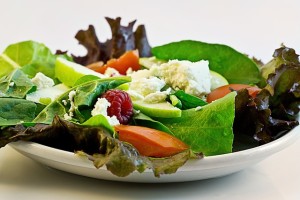 An ORGANIC diet, high in dark green leafy vegetables and Omega-3 fatty acids is essential. This is important because pesticides and herbicides cause the accumulation of ‘xenoestrogens’ in the diet. These aggressive and often carcinogenic molecules fit into the estrogen receptor sites and cause many of the health problems that can be traced to estrogen dominance – PMS, infertility, fibroids, menopausal symptoms and most other ‘female issues’.
Another important nutrient is soy, which is known as a mild estrogen regulator. When the phytoestrogens in soy connect to estrogen receptor
sites, they block the uptake of the aggressive types of estrogen. When
we review the epidemiological evidence of those cultures that enjoy
soy-based diets, there’s an incredibly low incidence of menopausal
symptoms as well as cancer and other degenerative illnesses. Like soy,
Red Clover is also rich in estrogenic-like compounds. Red Clover is the
only plant containing all four major estrogenic isoflavones
Exercise is of paramount importance. Regular exercise, 30 minutes per
day, has a plethora of positive effects including weight control, mood
elevation, decreased cholesterol (the bad kind), better digestion,
sounder sleeping patterns and tonification of the glands which control
hormone levels, to name a few!
Other Helpful Herbs
Black Cohosh (Cimicifuga racemosa) is specifically used for its
beneficial effects on menopausal symptoms. The isoflavones in Black Cohosh have been shown to bind to estrogen receptor sites and lower lutenizing hormones, which
are linked to hot flashes. Black Cohosh can also help with PMS.
Dong Quai (Angelica sinensis) has been used in Chinese Medicine for
thousands of years to help normalize menstrual irregularities. It is also used for
anemia and as a systemic strengthener, helping to ‘build the blood’.
Dong Quai may increase bleeding, so don’t use it during pregnancy or if
heavy periods are a problem.
Chastetree Berry (Agnus castus, Vitex) is one of the most helpful herbs
for normalizing symptoms of hot flashes, fluid retention and mild
depression.
Wild Yam (Dioscorea spp.) is a traditional root food used by women
around the world to help promote women’s wellness, including fertility
issues, late periods and menopausal symptoms.
Red Raspberry (Rubus idaeus) has been dubbed ” The Vine of Female
Vitality”. The leaf of the vine is the part that is most often used as
herbal medicine. The medical journal Lancet published a study as far
back as 1941 describing the normalizing effect that Red Raspberry leaf
extract had on the uterus. Traditionally, midwives and herbalists claim
that it also helped tone the ligaments of the uterus to ease
childbirth, reduce hemorrhage after birth and enrich colostrum, the
immune-stimulating first milk of nursing mothers.
Ellen Kamhi, Ph.D., R.N., is the author of Cycles of Life, Herbs and
Energy Techniques for the Stages of a Woman’s Life, which explores the
topic of women’s wellness in detail. She is also the co-author of The
Natural Medicine Chest and Arthritis, Alternative Medicine Definitive
Guide. Dr. Kamhi hosts a variety of radio and TV shows which focus on
the many aspects of natural medicine. In addition, she is the
co-founder of Eco Tours for Cures, which offers travelers the opportunity to
experience herbal knowledge and lifestyles of indigenous people.
Contact:
Ellen Kamhi PhD, RN, AHG, AHN-BC
www.naturalnurse.com
www.facebook.com/NaturalNurse
954-418-2388