Eugene Zampieron, ND, Ellen Kamhi PhD RN
Description
The World Health Organization has proclaimed the years 2000-2010 the Decade of Joint Health, because joint health is such a widespread public health concern.
Arthritis is a general term used to describe a large grouping of health conditions, all of which manifest symptoms of pain and stiffness. Commonly diagnosed forms of arthritis include osteoarthritis, rheumatoid arthritis (autoimmune involvement), gout, psoriatic arthritis, ankylosing spondylitis, fibromyalgia and infectious arthritis (such as Lyme’s Disease).
The most prevalent debilitating forms are rheumatoid arthritis(RA), affecting 3 million people in the U.S., and the far more common osteoarthritis(OA), with 16 million diagnosed cases. Some estimate that as many as 40 million Americans suffer with osteoarthritis.
The most commonly recognized causes of arthritis are genetic predisposition, advancing age, obesity, trauma and “wear and tear.” However, the ‘wear and tear’ theory is probably an oversimplification, because many elderly people never develop arthritis, after years of wear and tear.1 The degeneration of joints in all types of arthritis involves ongoing biochemical processes that negatively alter metabolism essential to maintaining healthy joints.
Although conventional medical diagnostics attempt to assign patients a differential diagnosis of one specific kind of arthritis, in reality, many patients exhibit a continuum of symptoms. For example, even those who are officially diagnosed with osteoarthritis often have some degree of auto immune involvement.
Psychological and emotional factors also play a role in the development of arthritis. However, in this article we will focus on several physical parameters that we have seen in virtually all cases of arthritis, and will offer suggestions about specific botanical and nutritional interventions that are useful. For brevity’s sake, we will limit the discussion of glucosamine, since the use of this supplement is quite well known to pharmacists.
In this two-part article, we will review several important factors to consider in Arthritis:
1) buildup of toxic waste products in the tissues
2) a decrease in integrity of the lining of the gastrointestinal tract
3) an overabundance of disease causing microorganisms
4) decreased circulation to painful areas
5) pain management
BUILDUP OF TOXIC WASTE PRODUCTS
In ancient systems of medicine throughout the globe, rheumatic ailments are thought to
originate from the accumulation of toxins in the body. Traditional Chinese Medicine refers to this as phlegm, or toxic invasion of heat, wind and/or cold, while in the Ayurvedic system from India, it is called AMA, created by incomplete combustion of food in the gastrointestinal tract.
Both Phlegm and AMA have been equated with the Western medical concept of toxicity due to endotoxins, food allergens and toxins from environmental sources, which lead to the creation of circulating immune complexes (CIC’s).
In many forms of arthritis(especially RA) pain and inflammation can be caused by an overabundance of Circulating Immune Complexes(CIC’s). CIC’s are formed in the body when larger than normal molecules escape from the gastrointestinal tract due to decreased integrity of the gut lining. Other antigens can be introduced as environmental pollutants that enter the body through various mechanisms. These molecules are recognized by the immune system as a foreign invader, which incites the formation of antibodies, which then couple with the antigen, forming the CIC. In a healthy person, CIC’s are sequestered and neutralized, but in arthritis(and other diseases) they accumulate and begin to overburden the eliminative organs and initiate allergic and immune responses. When too many CIC’s accumulate, the kidneys and liver become overburdened, and cannot break them down. The CIC’s are often shunted to the connective tissue (including the joints) to be destroyed by the immune system. White blood cells are summoned by cytokines to destroy the CIC’s. However, in this process, normal or ‘innocent bystander’ tissue can be attacked and damaged. High levels of antioxidants should be standing ready to regulate and monitor this process, but in all cases of arthritis, regardless of the type, a deficiency of antioxidants is the rule. Pain, inflammation, and stiffness results from these repeated, unregulated attacks.
Supplementation with antioxidants, such as Vitamin C, Vitamin E, and glutathione, decreases this inflammatory response.
Alteratives are non-toxic herbs which assist the organs of detoxification and elimination (liver,bowels,kidneys,skin,lungs, and connective tissue), by removing deleterious substances such as environmental (xenobiotic) toxins as well as those generated internally (endobiotic toxins). Alteratives can be combined with regimes of cleansing or elimination diets, fasting, colon hydrotherapy, saunas, lymphatic drainage techniques and homeopathic detoxification and drainage remedies(detoxosodes) to further decrease the toxic load on the body, thus allowing the body to divert its energy into healing versus crisis management .
Herbal alteratives include Milk Thistle (Silybum marianum), Dandelion (Taraxacum officinale), and Burdock (Arctium lappa). Milk thistle has been proven to have several mechanisms of action, including anti-inflammatory activities linked to inhibition of 5-lipooxygenase. , as well as influencing the hepatic cytochrome P-450 enzymes. The ancient folkloric use of both burdock and dandelion for liver support have also been collaborated in modern scientific studies. ,
Sulphur containing supplements such as MSM, SAMe, and the amino acids cysteine, methionine, glutathione and taurine support the hepatic cytochrome p450 enzymes and enable the liver to process the onslaught of toxins.
DECREASED GUT INTEGRITY
Individuals suffering from joint and muscle pain due to autoimmune problems, such as rheumatoid arthritis, lupus and fibromyalgia, often have a condition known as “leaky gut syndrome.” This allows molecules that are usually too large to exit through the gastrointestinal lining to escape and enter the bloodstream, which leads to the formation of “circulating immune complexes”(CIC), implicated in the production of an inflammatory response resulting in joint and muscle pain. Furthermore, non-steroidal anti-inflammatory agents(NSAIDS), the pharmaceutical drugs usually prescribed for arthritic conditions, actually decreases intestinal integrity, which leads to a worsening of the overall disease process.
Specific nutrients which coat and soothe the intestinal lining, thus helping to heal “leaky gut”, can help arthritis. These include the traditional demulcent, soothing herbs such as marshmallow root and okra, and L-glutamine, an amino which reestablishes gut integrity and helps to re-grow flattened “villi”- the tiny finger like protrusions that line the GI tract, and act as a surface for the absorption of nutrients. Gingko biloba, well known for its effects on brain function, acts to increase circulation to the small capillaries within the GI tract. It also acts as an anti-oxidant, which can help to strengthen the intestinal lining, and heal a “leaky-gut”. Research on the mechanism of action of this herb is proceeding at a prolific pace. One study showed that it significantly inhibited histamine release, which is part of the allergic component due to leaky gut syndrome.
OVERABUNDANCE OF MICROORGANISMS
“Dysbiosis”, the proliferation of “unfriendly” microorganisms, including bacteria, yeast, fungi and parasites, is not widely recognized by conventional medicine as a cause of arthritis. Yet, these organisms are present in a large majority of people who suffer from muscle and joint pains. “Molecular Mimicry” is an additional complication, which arises when organisms in the gut camouflage themselves to resemble human tissue to escape detection by the immune system. When the immune system eventually makes antibodies to the bacteria, it also begins to make antibodies to the similarly structured human tissue, leading to an autoimmune cascade.
A variety of herbs act to discourage the growth of pathogenic organisms, while building and supporting the immune system:
Barberry root contains berberine, the yellow compound that is also found in Golden Seal Root. Berberine helps the liver filter out bacteria, and can inhibit the growth of streptococci and other microorganisms. It helps to kill parasites and tonifies the intestinal tract. In addition berberine acts as a natural Cox II inhibitor.
Citrus Seed Extract contains proanthocyanadins(OPC’s), biologically active flavonoids which help to heal irritations to the lining of the intestines. Citrus Seed Extract has a very high level of activity against micro-organisms.
Black Walnut Hulls is a time honored “vermifuge” (worm destroyer) used traditionally in Western Herbal Medicine. It is high in tannic acid which tonifies the digestive tract and helps rid the body of parasites.
Oregano Leaf Oil has been investigated scientifically and found to be an effective broad spectrum anti-microbial agent, with no known negative effects.
It is also important to “re-inoculate” the gastro-intestinal tract with ‘friendly’ bacteria, such as Acidophilus( Lactobacilli acidophilus). It promotes healthy immune function, and protects against the overgrowth of pathogenic microorganism, as well as providing an antiallergenic barrier. L. acidophilus generates lactic acid, acetic acid, and hydrogen peroxide, which can interfere with the proliferation of disease causing organisms.
POOR CIRCULATION
Poor circulation traps stagnant intracellular fluids in the joints and decreases the availability of nutrients needed for repair and growth of healthy tissues. This can be aided by stretching exercises and massage, along with the topical application of medicinal herbs.
Menthol is one of the principle essential oils derived from peppermint, and acts as a powerful analgesic when applied topically. Initially, it produces a cooling sensation to inflamed areas, followed by a profound cooling effect.
Capsiacin is a resin found in many species of ‘hot peppers’. Scientific studies have proven that Capsiacin depletes substance P, a chemical believed to be overabundant in the peripheral nerves of patients with arthritis, fibromyalgia and other painful syndromes. Substance P is released in response to injury or inflammation and pain.
Camphor is a penetrating, medicinal oil derived from the tropical tree, Cinnamonium camphora. When rubbed into painful, stiff joints, ligaments and muscles, it provides soothing “camphor-ice” relief. One mechanism of action of camphor is that it specifically inhibits catecholamine secretion.
Wintergreen(Gaultheria procumbens) is a low growing evergreen shrub found in the damp woods of the Eastern U.S. Oil of wintergreen has chemical properties similar to salicylic acid- an aspirin like compound with pain relieving properties.
Cloves(Eugenia caryphylii) and Allspice(Pimenta diocia) contain the essential oil Eugenol , which acts as an excellent anesthetic (numbs pain). Folk healers in the Caribbean use these herbs as liniments to relieve the pain of arthritis and painful muscles.
.
Boswellia (Boswellia seratta) Boswellia is a gum resin extracted from the bark and trunk from a tree in India. The tree is scraped and the resin is allowed to exude from the tree until it dries. It has been used traditionally in Ayurvedic medicine to treat chronic pain and inflammation. Modern research has disclosed one of the anti-inflammatory modes of action of this botanical to be the inhibition of leukotriene biosynthesis through the impairment of 5-lipoxgenase(5-LO).
Pain Management
In natural medicine, the goal is to address the causative factors of illness through an examination of diet, lifestyle, allergies, toxic load, gut integrity, presence of microorganisms and psychological factors. Uncovering these factors, and making the behavioral changes that will positively effect the disease process, ultimately will lead to increased wellness. However, these steps take time, and the issue of pain management
needs to be addressed immediately, while the body readjusts to be in a less inflammatory state. While pharmaceutical drugs offer effective pain relief, their use long term is not desirable due a large number of secondary effects. NSAIDs, in particular, actually make the overall disease process of arthritis worse, by increasing ‘leaky gut’ and by depleting the very nutrients necessary for joint repair, including iron, folic acid and zinc. COX 2 inhibitors, introduced with a media blitz touting them as a much safer drug therapy, is now known to also have serious side effects.
White Willow Bark (Salix alba) contains glycosides, which are
converted in the body into active salicylates, similar to the chemicals
found in Aspirin. Thus, it is often referred to as Nature’s Aspirin, yet
does not cause gastrointestinal bleeding as does Aspirin.
Kava-Kava (Piper methysticum) is used in the South Pacific to relax
the mind and body, achieve a tranquil state, and ease pain and anxiety,
which often exacerbates pain.
Research on Kava reveals the active Kava
pyrones to be a strong skeletal muscle relaxant, and was used by the
Hawaiians for arthritis and for soothing tight and aching muscles.
Jamaican Dogwood (Piscidia spp.) was used historically as one of the
most effective pain relievers by the Eclectic (M.D.) physician’s at the
turn of the century ,used for fibromyalgia, joint pain, and the pain associated with
bone fractures. In the Amazon and Jamaican rainforests, the curanderos
(healers) and ‘Bush doctors’ use the plant to treat migraines, joint pain,
sprains, muscular aches and neuralgia.
In Traditional Chinese Medicine, Yan Hu Suo (Corydalis ambigua) has been used for thousands of years for its powerful analgesic properties. Research into the mechanism of action of Corydalis, in particular DHC(dehydrocorydaline) extracted from the root, suggests that Corydalis not only inhibits anti-body mediated allergic reactions, but also influences cell-mediated allergic reactions, through an inhibitory effect on antigen-induced histamine release from peritoneal mast cells. As we so often see in Natural Medicine, modern research collaborates what ancient healers have known for centuries!
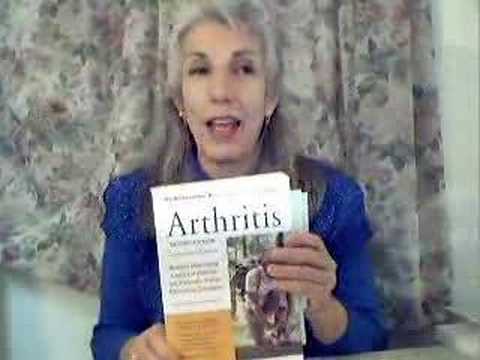
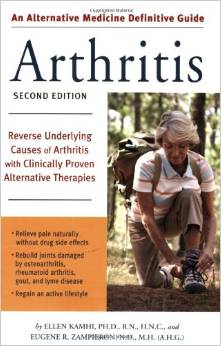
Eugene Zampieron ND and Ellen Kamhi PhD RN are coauthors of ARTHRITIS- The Alternative Medicine Definitive Guide, and lead tours to interact with indigenous shamans
www.ecotoursforcures.com
www.naturalnurse.com
www.facebook.com/naturalnurse






 Acetaminophen interferes with the liver’s ability to do its normal job of detoxification, and reduces the amount of the important antioxidant called glutathione. In addition acetaminophen has been linked to a severe skin reaction called Stevens-Johnson Syndrome (SJS). This condition can happen the first time the drug is ever used, or at any time, even if it has never occurred before after multiple uses. Aspirin, ibuprofen and naproxen can also cause serious skin conditions, which, at times, can be fatal. This information was released by the FDA on August 1, 2013. (https://www.fda.gov/Drugs/DrugSafety/ucm363041.htm)